
Judicial Branch: What It Does And Why It Matters

Okay, so let's talk about something that sounds super serious, maybe a little bit boring, but is actually wildly important and, dare I say, pretty darn fascinating: the Judicial Branch!
Forget dusty textbooks and sleepy courtroom dramas for a sec. We're talking about the part of our government that’s like the ultimate referee, the head puzzle-solver, and the defender of your everyday freedoms. Seriously!
What Does This Mighty Branch Actually Do?
At its core, the Judicial Branch has one main gig: to interpret laws. Think about it. Congress makes laws, the President signs 'em. But what do those laws actually mean in the real world? That’s where the judges come in. They take those sometimes-fuzzy legal texts and figure out how they apply to specific situations.
Imagine a recipe. The chef (Congress) writes it, the kitchen manager (President) approves it. But when you're actually making the dish, you might have questions: "Does 'a pinch of salt' mean literally a pinch, or a teaspoon?" The judges are there to clarify the cooking instructions for everyone!
Another huge role? They resolve disputes. This means if you and your neighbor are squabbling over a fence, or if a company thinks another company stole their super-secret cookie recipe, the courts are where you go to sort it out. It's not always dramatic, but it’s crucial for keeping society running smoothly without everyone resorting to, well, less civilized methods.
But here's the really cool part, the superpower if you will: Judicial Review. This fancy phrase means the Judicial Branch can look at a law passed by Congress or an action taken by the President and say, "Nope! That's against the Constitution." It’s like the Constitution is the rulebook for the entire country, and the courts are the ultimate enforcers of those rules.
This power wasn't explicitly written down, by the way. It was kind of "discovered" (or boldly declared!) in an 1803 Supreme Court case called Marbury v. Madison. Talk about a glow-up for a government branch!

Why Does It Matter So Much to You?
Okay, so they interpret laws and settle fights. Big deal, right? Huge deal! Because this branch is essentially the guardian of your rights and freedoms. Remember free speech? The right to privacy? The idea that you can't be arrested without a good reason? These aren't just polite suggestions; they're protected by the courts.
If someone tries to infringe on those rights – whether it's the government or another person – the courts are where you go to seek justice. They make sure everyone plays by the rules, especially when it comes to fundamental liberties.
Think of it as a crucial part of our government's "checks and balances" system. Congress makes laws, the President enforces them, but the Judicial Branch is the one making sure those laws and actions are fair and constitutional. It prevents any one branch from becoming too powerful, like a three-legged stool where each leg is essential for stability.
Without the Judicial Branch, who would stop a president from, say, deciding that Tuesdays are now "national no-free-speech day"? Or prevent Congress from passing a law that clearly discriminates against a group of people? Nobody, that's who! It's our ultimate safeguard against tyranny and unfairness.

A Peek Inside the Courtroom Magic (and Quirks!)
So, how does this all work? Well, it’s not just one big courtroom. The Judicial Branch is structured like a pyramid, with different levels of courts handling different things.
The Supreme Court: The Big Kahuna
At the very top, we have the Supreme Court of the United States. These are the nine justices (always nine, a tradition that's been around for ages!) who make the final decisions on the biggest legal questions facing the country. They wear those iconic black robes, which aren't just for looking fancy; they're meant to symbolize impartiality and tradition. No capes or wizard hats, though, sadly.
Getting a case heard by the Supreme Court is like winning the legal lottery. They get thousands of requests each year, but only hear about 70-80 cases. They famously use the "Rule of Four," meaning at least four out of the nine justices must agree to hear a case. It's super exclusive!
Once they hear a case, the justices go into deep discussions, often completely in private. The decision comes out, sometimes with dissenting opinions (when justices disagree), which are also incredibly important! They can lay the groundwork for future legal arguments. It's like a high-stakes debate club, but with actual consequences for the entire nation.
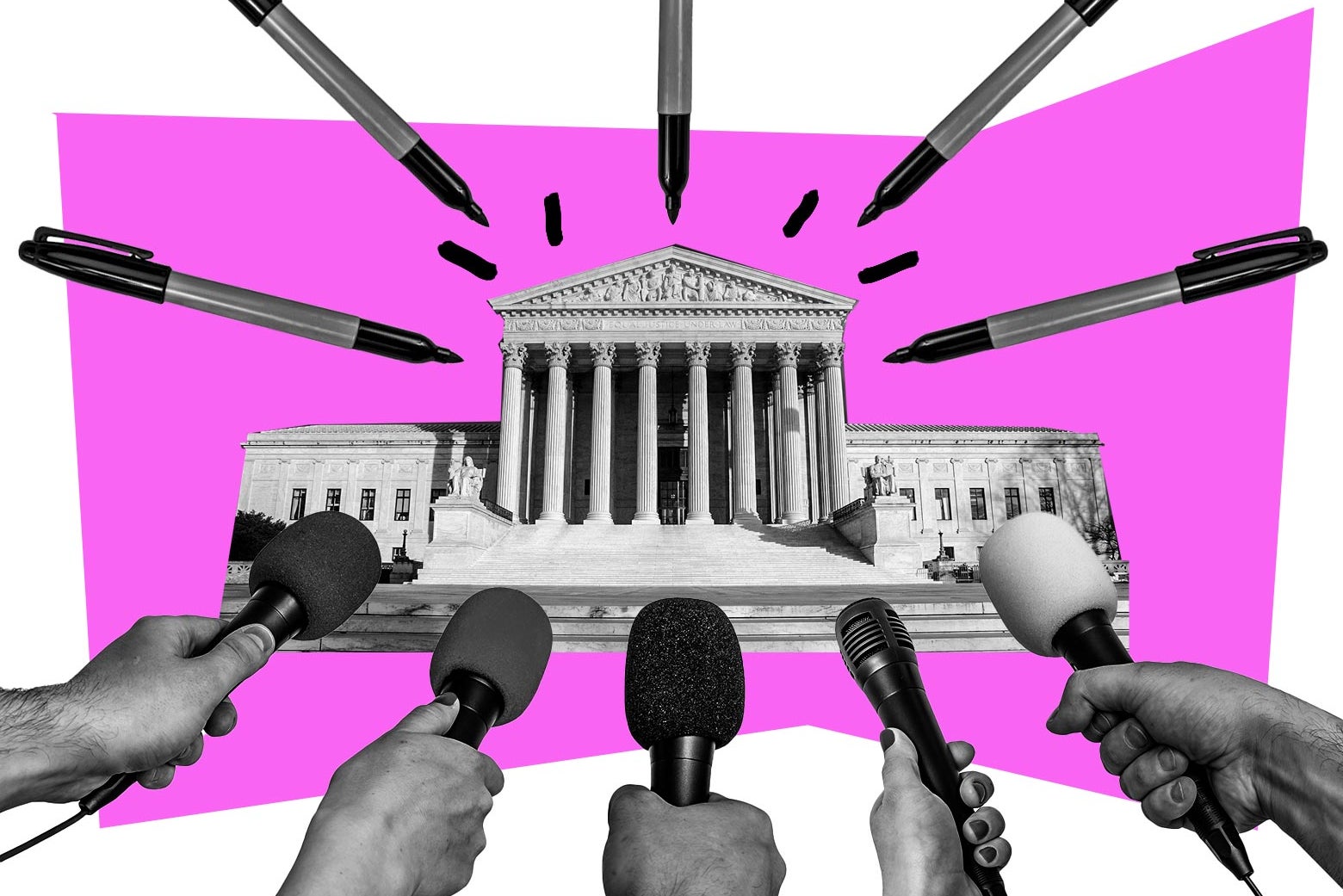
The Supreme Court building itself is a sight to behold – all marble and majesty. It even has a basketball court on its top floor, affectionately known as "the highest court in the land." Talk about a quirky detail!
Appellate Courts: The Reviewers
Below the Supreme Court are the Circuit Courts of Appeals. These courts don't hold trials or call witnesses. Instead, they review decisions made by the lower courts. They're like the fact-checkers and quality control team. If you think your trial wasn't fair, or the judge made a mistake, you can appeal to one of these courts.
There are 13 of these courts across the country, each covering a specific geographic "circuit." They mostly look at whether the law was applied correctly, not whether the initial facts of the case were right or wrong.
District Courts: Where the Action Starts
At the bottom of our judicial pyramid are the District Courts. These are the trial courts, the places where most legal battles begin and end. This is where juries are impaneled, witnesses testify, evidence is presented, and judges make rulings. Think of every courtroom drama you've ever seen – it’s probably set in a district court!

There are 94 federal district courts, meaning there's likely one relatively close to you. This is where the nitty-gritty of justice happens, day in and day out, for all sorts of issues, from petty crimes to complex corporate lawsuits.
Why It's Just Plain Fun (and Important!) to Know This Stuff
Understanding the Judicial Branch isn't just about memorizing facts; it's about understanding how your world works. It's about realizing that there’s a system designed to protect you, to ensure fairness, and to keep the powerful in check. It’s about knowing that when something feels wrong, there’s a place to turn for impartial judgment.
Plus, let's be real, the stories that come out of the courts are often stranger than fiction! From bizarre cases to landmark decisions that literally changed the course of history, the Judicial Branch is a constant source of drama, intrigue, and sometimes, even a little bit of humor.
So, next time you hear "the Supreme Court," don't just tune out. Remember it's not just a bunch of fancy robed folks; it's a vital, dynamic, and yes, even fun part of what makes our country tick. Go forth and be curious about justice!