
How To Remove Oil From Block Paving
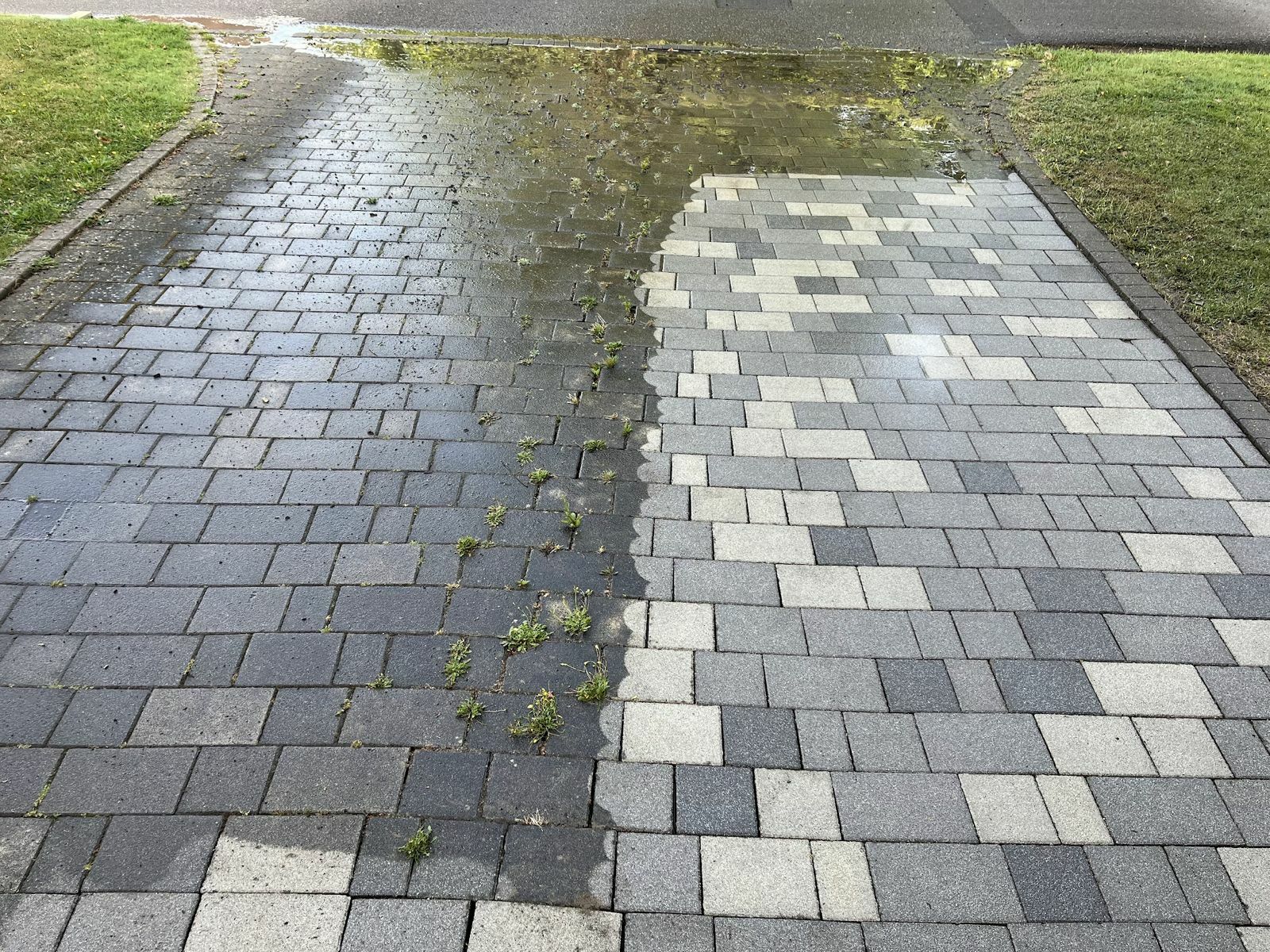
Ah, block paving. That sturdy, attractive stuff that graces driveways and patios everywhere. It’s like the sensible jumper of your outdoor space – reliable, looks good, and can handle a bit of a scuff. But then… it happens. The dreaded oil stain. You know the one. It’s the unwelcome guest that arrives unannounced, usually after a minor car mishap or a leaky garden machinery incident. Suddenly, your perfectly lovely paving looks like it’s developed a bad case of the greys, or worse, a dark, splodgy tattoo you never asked for.
Honestly, it’s enough to make you want to just… pretend it’s not there. Like that bit of forgotten broccoli at the back of the fridge. But alas, oil stains on block paving are a bit more stubborn than expired veg. They’re like that one friend who always overstays their welcome. So, what’s a homeowner to do when faced with this oily adversary? Fear not, fellow paving custodians! We’re about to embark on a mission, a gentle, relatively painless, and dare I say, even slightly satisfying mission, to banish those oily invaders.
Think of it like this: your block paving is a canvas, and that oil stain is a rogue blob of paint that’s landed right in the middle. We’re not going to grab a sledgehammer and re-canvas the whole thing (that would be overkill, wouldn't it?). We’re going to be strategic, a bit clever, and use some everyday household heroes to get the job done. It’s less about brute force and more about a gentle nudge in the right direction. And the best part? You probably already have most of what you need lurking in your cupboards or shed. No need for a special trip to the ‘Extreme Paving Rescue’ store.
So, grab a cuppa, put your feet up for a moment, and let’s dive into the nitty-gritty of making those oily patches disappear. We’ll cover a few methods, because just like life, sometimes one size doesn’t fit all. What works a treat for one stain might be a gentle whisper to another. But by the end of this, you’ll be armed with the knowledge to tackle those greasy marks like a pro. And when your neighbour pops round and says, "Blimey, your driveway looks like new!", you can just smile, wink, and say, "Oh, this old thing? Just a bit of elbow grease and a dash of everyday magic."
The Initial Assessment: What Are We Dealing With?
Before we get all gung-ho with the cleaning supplies, it’s always a good idea to take a moment and have a good old look at the enemy. Is it a fresh, light-coloured spill that’s barely had time to settle in? Or is it an ancient, dark stain that’s practically become part of the paving’s DNA? The freshness of the stain is your biggest ally here. The longer that oil has been soaking in, the more it’s going to try and dig its oily heels in.
Think of it like a fresh jam spill on a new white shirt versus a dried-in tomato sauce stain. One you can often deal with swiftly with a quick dab, the other… well, it might require a bit more of a tactical approach. So, for a fresh spill, the key is speed. Don't dawdle! Get to it before it has the chance to become a permanent resident. If it’s an older stain, don’t despair. It’ll just take a little more patience and perhaps a more robust cleaning strategy. It's like coaxing a shy cat out from under the sofa – it might take a bit of gentle persuasion.
The First Line of Defence: Absorb and Conquer!
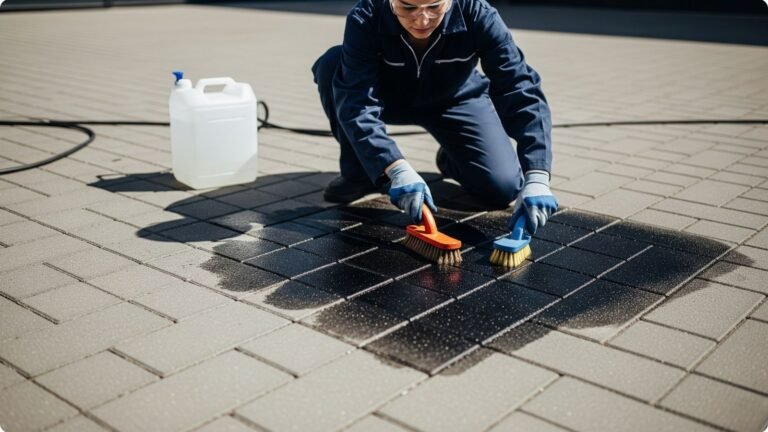
This is where we’re going to go in for the quick win. For any oil spill, fresh or not-so-fresh, the absolute first thing you want to do is soak up as much of that loose oil as humanly possible. Think of it like mopping up a spilled drink before it spreads all over the carpet. You want to get that liquid contained.
What can you use? Well, your humble kitchen cupboard is a treasure trove for this. Cat litter is a fantastic, and often overlooked, hero. If you have a feline friend, you probably have a bag of this stuff. Just pour a generous amount over the oily patch. Let it sit for a good few hours, or even overnight if you can. The granules are brilliant at wicking up the oil. It’s like a tiny sponge army, working diligently in the background.
Other excellent absorbents include:
- Baking soda: This magical white powder is a jack-of-all-trades. Sprinkle it on generously.
- Cornflour or talcum powder: Similar to baking soda, these fine powders do a great job of absorbing liquids.
- Sawdust: If you’re a DIY enthusiast and have some lying around, this is perfect!
The Power of Dish Soap: Your Kitchen’s Secret Weapon
Okay, so we’ve absorbed the bulk. Now, we’re left with that slightly faded, but still visible, oily mark. This is where we bring in the big guns from the kitchen: washing-up liquid. Yes, the stuff you use to tackle greasy pans after a fry-up. It’s formulated to cut through grease, so it’s perfectly suited for our oily paving problem!
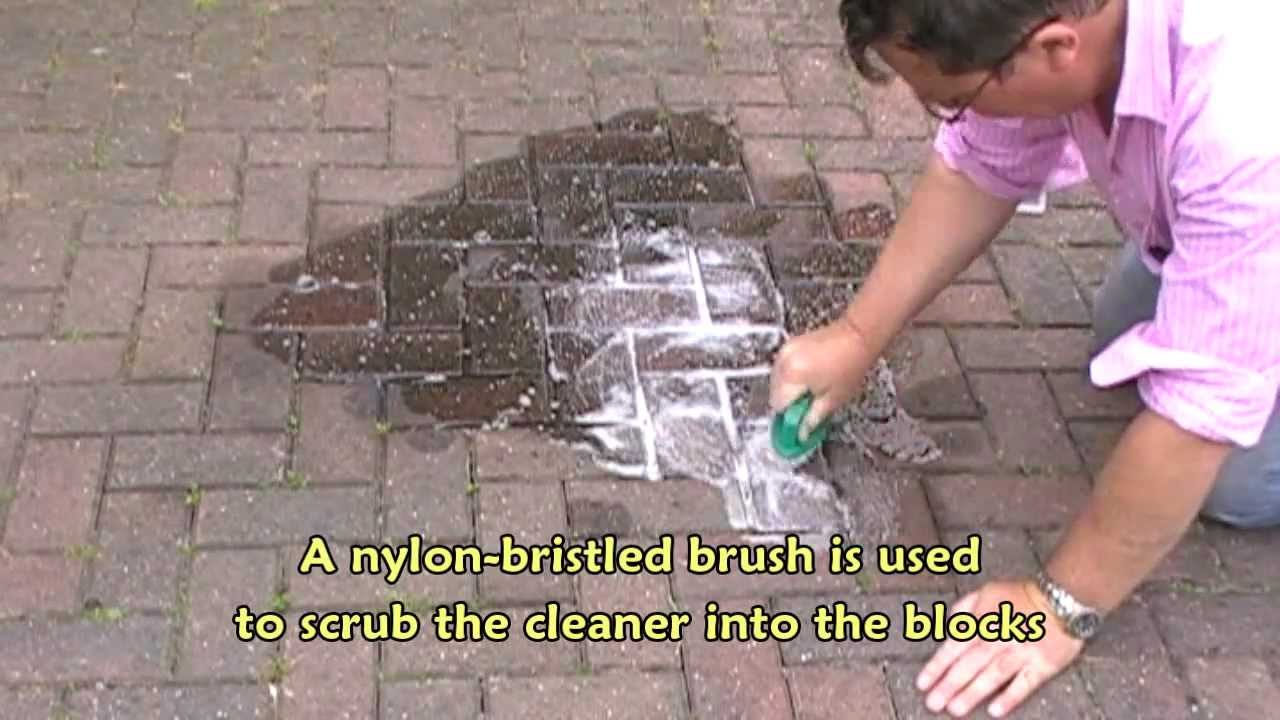
Choose a good quality, grease-cutting dish soap. Pour a generous amount directly onto the stained area. Don’t be shy here! You want enough to really saturate the stain. Then, grab a stiff brush – an old washing-up brush or a scrubbing brush will do the trick. Get to work, and scrub like you mean it. Work the soap into the paving, trying to lift as much of that embedded oil as possible. You might want to add a little bit of warm water as you scrub to help create a bit of a lather.
It’s a bit like giving your paving a good old exfoliation. You’re trying to loosen up all those stubborn oily particles that have clung on for dear life. After you’ve scrubbed for a good few minutes, you’ll want to rinse the area thoroughly with water. A hose pipe is ideal for this. You’re aiming to wash away all the soap and the loosened oil. You might need to repeat this process a couple of times, especially for older or deeper stains. It’s a bit of a labour of love, but oh-so-rewarding when you start to see the difference.
Enter the Heavy Hitters: When Soap Isn't Enough
Sometimes, even the most diligent scrubbing with dish soap won’t completely obliterate a particularly stubborn oil stain. It’s like that persistent tune that gets stuck in your head – it just refuses to leave! In these cases, we need to bring out some more specialized tools. But don’t worry, they’re still relatively easy to get your hands on.
Degreasers: The Oily Stain's Nemesis
There are specific oil and grease removers designed for driveways and patios. You can find these at most good DIY stores or garden centres. They come in various forms, from sprays to liquids. Always follow the manufacturer’s instructions carefully, as these are often stronger chemicals.

Typically, you’ll apply the degreaser to the stain, let it dwell for the recommended time (this is important – don't leave it on too long!), and then scrub it in. After that, you’ll rinse it off thoroughly. It's like sending in the special forces for those really entrenched oily villains.
Poultices: The Absorbent Powerhouse
For those really deep, ingrained stains, a poultice can be incredibly effective. This is essentially a paste that you apply to the stain, and it draws the oil out as it dries. It's a bit like a facial mask for your paving!
You can make a DIY poultice by mixing an absorbent material (like Fuller’s Earth, which is brilliant at this, or even just baking soda or talcum powder) with a solvent. A common solvent to use is mineral spirits (turpentine substitute) or even white spirit. Mix them together to form a thick, spreadable paste. Apply this paste thickly over the oil stain, ensuring it covers the entire area. Then, cover the paste with a piece of plastic wrap and tape down the edges to keep it moist. Leave it to dry completely, which can take 24-48 hours. As it dries, it will pull the oil from the pores of the paving. Once it’s fully dry, peel off the plastic and scrape away the hardened paste. You might need to repeat this a couple of times for very stubborn stains, but the results can be remarkable.
You can also buy ready-made poultices specifically for oil stain removal, which can be a convenient option if you prefer not to mix your own. These work on the same principle of drawing the oil out of the porous surface.

The Power of Pressure: A Gentle Blast
Once you’ve tackled the stain with your chosen cleaning agent, a pressure washer can be a very useful tool for rinsing and, in some cases, helping to lift any remaining residue. However, a word of caution: use a pressure washer on a lower setting, or with a wider nozzle, and keep it moving. You don’t want to blast away the jointing sand between your blocks, or worse, damage the paving itself. It’s like using a feather duster versus a blast furnace – you need the right level of intensity.
Think of it as a final rinse and a gentle encouragement for any lingering oil particles to make their exit. You're not trying to obliterate the stain with sheer force, but rather to give it a good, thorough flush. If you don’t have a pressure washer, a strong jet from a hose pipe will also do a decent job.
Prevention is Better Than Cure: Keep Those Greasy Marks Away!
While we’ve covered how to get rid of those unsightly oil stains, the best strategy, as they say, is prevention. So, how can we stop this oily nuisance from happening in the first place?
- Use drip trays: If you park your car on the block paving and it has a bit of a leaky tendency, or if you’re working on a vehicle, pop a drip tray underneath it. This is like a little umbrella for your paving, catching any rogue drips before they can cause trouble.
- Be careful with garden machinery: If you’re refuelling or servicing your lawnmower, strimmer, or any other oily garden gadget, do it on a patch of grass or use a large sheet of cardboard or an old tarp underneath. It’s a simple step that can save you a lot of scrubbing later.
- Regular sweeping: Keeping your block paving clean and free of debris can help. While not directly preventing oil stains, a cleaner surface might make it easier to spot and deal with spills quickly.
- Seal your paving: Applying a good quality sealant to your block paving can provide a protective layer. This makes the surface less porous and therefore less likely to absorb spills, including oil. It’s like giving your paving a raincoat – it helps repel the nasties.
Dealing with oil stains on block paving might seem daunting at first, but with a bit of knowledge and the right approach, it’s a perfectly manageable task. From the simple magic of cat litter and dish soap to the more potent power of degreasers and poultices, there’s a solution for every level of oily offender. So, next time you spot that unwelcome dark patch, don’t sigh in despair. Just remember these tips, roll up your sleeves, and get ready to restore your paving to its former, spotless glory. Your driveway (and your sense of pride) will thank you for it!