
How Many Raspberry Canes Do I Need

So, you've been bitten by the gardening bug. Maybe you’ve seen those Instagram-perfect berry bowls and thought, "Hey, I could do that!" Or perhaps you're just tired of paying a small fortune for a handful of raspberries at the grocery store. Whatever your motivation, you've landed on growing your own, and that's fantastic! But then comes the inevitable question, the one that can make even the most seasoned gardener scratch their head: how many raspberry canes do I actually need?
It's a question that, much like trying to assemble IKEA furniture without the instructions, can lead to a lot of head-scratching and possibly a few muttered expletives. You don't want too few, leaving you wistfully gazing at an empty berry basket. But you also don't want to end up with a raspberry jungle so ferocious it eats your car. We've all been there, right? That moment when you realize you’ve accidentally created a self-sustaining ecosystem in your backyard that vaguely resembles something out of a horror movie. You know, the one where the plants start whispering your secrets?
Let's break it down, shall we? Think of it like this: you wouldn't buy enough coffee beans for the entire town when you only drink one cup a day, would you? Unless you’re that person. We’re aiming for a sweet spot, a happy medium that satisfies your berry cravings without turning your backyard into a thorny fortress. And trust me, a thorny fortress is a nightmare when you're trying to find that one rogue garden gnome that’s gone AWOL.
The “Just Enough for My Morning Yogurt” Crew
Alright, let’s start with the minimalist approach. If your idea of a raspberry feast is a generous sprinkle on your breakfast yogurt, or perhaps enough to sneak into a smoothie on a Tuesday morning, then you’re in luck! You don’t need to go full-on commercial farmer.
For this crowd, we’re talking about a couple of canes. Seriously, two to four canes might be all you need. Think of them as your little berry buddies. They’ll quietly produce enough for your modest munching needs. It’s like having a tiny, very well-behaved pet that occasionally gives you snacks.
These few canes will likely produce a decent flush of berries throughout the season. Enough to feel a sense of accomplishment, to brag a little to your friends about your homegrown goodness, but not so much that you’re frantically giving away punnets like a benevolent berry warlord. Imagine the panic if you suddenly had more raspberries than you knew what to do with. You’d be practically begging strangers to take them. “Take my raspberries! Please! Before they… evolve!”
The key here is quality over quantity. You get those perfectly ripe, sun-warmed berries, and you enjoy them without the pressure of a giant harvest. It’s the gardening equivalent of a perfectly brewed cup of tea – simple, satisfying, and exactly what you wanted.
The “I Like to Be Prepared” Enthusiast
Now, for those of you who are a bit more… enthusiastic. You love a good bowl of berries. You might even consider a handful of raspberries as a prelude to your actual dessert. Or perhaps you have family members who descend like berry-hunting Vikings at the mere mention of fresh fruit.
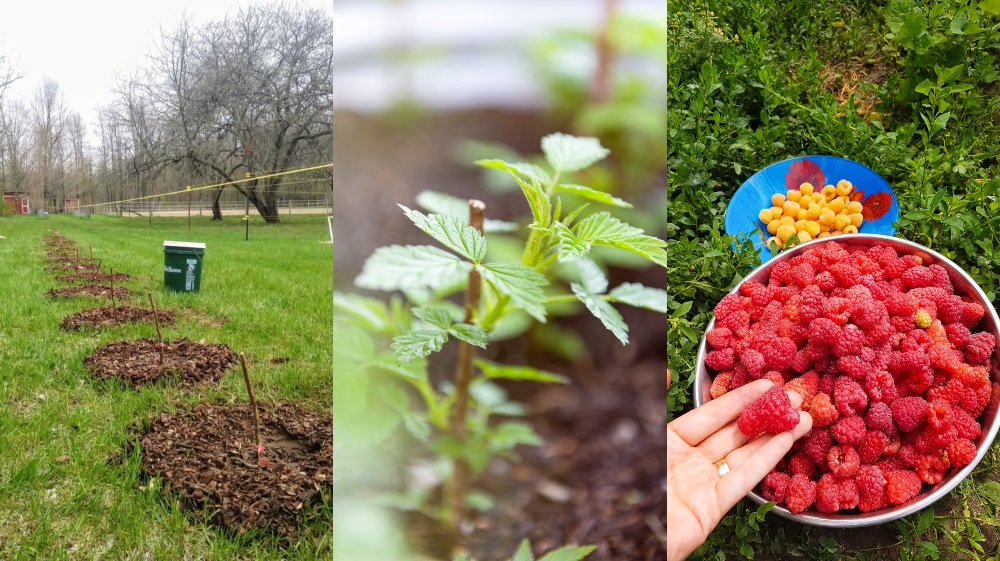
If this sounds like you, we’re stepping it up a notch. Aim for something in the realm of five to ten canes. This range offers a good balance. You'll have enough for those generous yogurt toppings, for baking a pie that will make your neighbors weep with envy, and for snacking straight from the bush (we all do it, don't pretend you don't). Plus, you'll have enough to justify making jam, a truly noble pursuit. Jam making is basically bottling sunshine, and who doesn't need more of that?
With five to ten canes, you're entering the territory of a respectable home harvest. It's enough to impress, enough to enjoy regularly, and enough to feel like you've truly conquered the raspberry game. You can have berry crumbles, berry tarts, berry smoothies, and still have a few left over for that secret stash you hide from everyone else. Because let’s be honest, that’s the real prize.
Think of it as having a small, but reliable, side hustle in the berry department. You're producing enough to meet your own demand and then some. It's a fantastic amount for a typical family or a couple who really enjoys their berries. You won't feel overwhelmed, but you'll definitely feel satisfied. It's like having a personal fruit dispenser that never runs out… well, until the season ends. Then it’s all about the preserves!
The “Jam-Making Machine” and the “Berry Buffer”
Are you the kind of person who views a berry harvest as an opportunity? Do you see those plump red jewels and immediately start mentally planning jam batches, freezer containers, and maybe even a few gifts for your lucky friends? If your idea of a good time involves a lot of boiling sugar and sterilizing jars, then you’re in the “more is more” category.
For the serious jam makers, the freezer-stuffers, the sheer berry enthusiasts, we’re looking at ten canes and beyond. This is where things get serious. We're talking about a harvest that could potentially sustain you through the winter. This is for the ambitious gardeners who want to be known as the "Raspberry Queen" or "King" of their street. You’ll be the person everyone mysteriously “accidentally” visits in August.
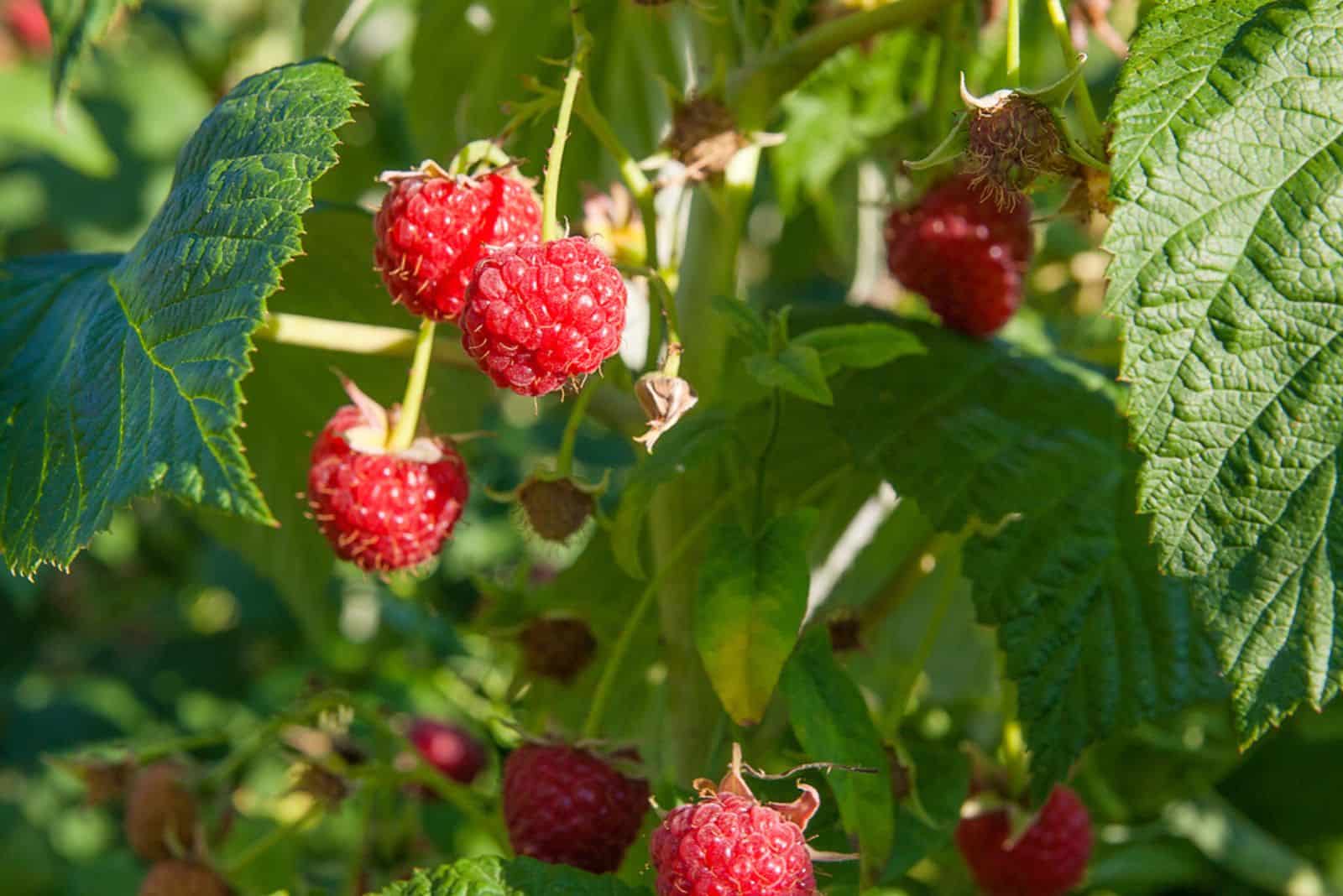
With ten or more canes, you're cultivating a mini-orchard. You'll have enough berries to make literal buckets of jam, to freeze enough for smoothies and baking all year round, and still have plenty to eat fresh. You might even get to the point where you’re experimenting with raspberry vinegar or raspberry-infused spirits. Because, why not? Life is too short for boring beverages.
This is where you need to consider the growth habit of your chosen raspberry varieties. Some are more vigorous than others, and they can spread like gossip at a high school reunion. So, even with ten canes, make sure you have adequate space. You don't want your raspberry patch to become a sentient, sprawling entity that demands its own zip code.
Remember, these are canes, not tiny little plants. They grow, they spread, and they can become quite substantial. Imagine trying to explain to your HOA why your backyard is now a national park dedicated to the Glorious Raspberry. “No, no, it’s art!” you’ll exclaim, brandishing a jam-filled mason jar.
Factors to Consider: More Than Just Your Appetite
Now, before you rush out and buy fifty canes because you had a particularly strong craving for a raspberry Danish yesterday, let’s pump the brakes a little. Several factors influence the "just right" number for you.
First up: space. Raspberries are not shy. They like to stretch their legs. Or, well, their roots and canes. Some varieties are more contained, while others are absolute land-grabbers. Before you buy a single cane, measure out your intended spot. Think about how much space each cane needs to thrive, and then double it. You’ll thank me later when you’re not playing a daily game of “Wack-a-Mole” with encroaching runners.

Next, consider the type of raspberry. Are you going for everbearing (which produce fruit in summer and again in fall) or summer-bearing (which produce one big crop in early summer)? Everbearing varieties can be more continuous, but their summer crop might be smaller per plant than a summer-bearing variety. If you want a steady supply, everbearing is your friend. If you want a massive, jaw-dropping, I-can-barely-move-because-of-all-the-berries harvest, go for summer-bearing.
Then there's your gardening commitment. Are you a weekend warrior or a daily attendee? Raspberries, like most things worth having, need a little love. They need water, some feeding, and definitely some pruning. If you’re prone to forgetting about your plants until they start looking like a scene from a desert movie, then maybe start with fewer canes. A well-cared-for two canes will give you more joy than ten neglected ones that look like they're auditioning for a post-apocalyptic film.
Don't forget the yield expectations. A single, healthy raspberry cane can produce anywhere from a pound to several pounds of berries in a season, depending on the variety and growing conditions. So, if you estimate you eat about 5 pounds of raspberries a month during peak season, and you want to have some for jam, you can do some basic math. But honestly, who has time for math when there are berries to dream about?
Finally, and perhaps most importantly, consider your personal ambition. Do you want enough for a nice snack, a decent pie, or do you envision yourself becoming a local legend, known for your unparalleled raspberry prowess? Be honest with yourself. There’s no shame in starting small and expanding later. It’s like dipping your toes into the ocean before diving in headfirst. You don’t want to get swept away by a rogue wave of raspberry enthusiasm.
A Real-Life Raspberry Reckoning (Sort Of)
Let me tell you about my neighbor, Brenda. Brenda is a force of nature. Last year, she decided she wanted raspberries. She bought… well, I think she bought enough for a small country. She dug up a significant chunk of her backyard, and planted about fifteen canes. I watched, a mixture of awe and mild terror, as her raspberry patch grew into a veritable thicket. By July, Brenda was practically a one-woman distribution center. Her car had raspberry jam stains on the inside. She gifted jars to everyone, including the mail carrier, the pizza delivery guy, and even a particularly persistent solicitor. She became known as "Brenda, the Raspberry Lady." It was glorious.

On the other hand, my friend Gary decided he wanted just a few. He planted two everbearing canes. He got a nice little handful of berries each morning for his yogurt. He was perfectly happy. He didn't have to worry about harvesting, pruning, or jam making. He just enjoyed his modest bounty. And you know what? He was just as smug about his homegrown raspberries as Brenda was about her raspberry empire.
The moral of the story? There’s no single “right” answer. It’s about finding your personal raspberry sweet spot. It’s about understanding your needs, your space, and your tolerance for thorny situations.
If you're unsure, start small. Two to four canes is a great way to get your feet wet. See how you like the process, how much you actually eat, and how much space you have. You can always add more next year. It’s much easier to add more canes than it is to surgically remove an overgrown, aggressive raspberry monster that’s trying to annex your patio.
And if you're feeling adventurous, go for the five to ten. You'll likely find yourself enjoying a wonderful abundance without feeling completely overwhelmed. Just remember to embrace the process. The sticky fingers, the occasional thorn prick, the sheer joy of biting into a sun-ripened raspberry picked right from your own garden. That, my friends, is gardening gold.
So, to answer the big question: how many raspberry canes do you need? The answer, my friend, is as many as will bring you joy, satisfaction, and a reasonable amount of deliciousness, without turning your life into a thorny epic. Happy planting!