
How Do You Increase Water Pressure In House

Ever find yourself staring longingly at a trickle from your showerhead, dreaming of a monsoon-like deluge? Or perhaps your washing machine takes an eternity to fill, turning laundry day into a test of endurance? If your home's water pressure is less 'powerful cascade' and more 'gentle dribble,' you're not alone. Low water pressure is a surprisingly common household grumble, but thankfully, it’s often a fixable one. Let’s dive into how you can turn that shy faucet into a confident stream, without turning your home into a construction zone.
Think of your home’s plumbing like a circulatory system. When everything’s flowing smoothly, life is good. But sometimes, those pipes can get a little sluggish, leading to less-than-ideal water pressure. It’s not just about enjoying a more invigorating shower – although, let’s be honest, that’s a major perk. Adequate water pressure is crucial for everything from efficient dishwashing to ensuring your sprinklers actually water your lawn, not just mist your patio furniture.
The Culprits: Why Is My Water Pressure So Shy?
Before we start wielding wrenches (metaphorically, of course!), it’s helpful to understand why your water pressure might be taking a siesta. The reasons can range from the simple to the slightly more complex, but they’re usually quite logical.
1. The Municipal Mystery: It Might Not Be You!
Sometimes, the issue lies with your local water supplier. Is there a new construction project nearby? Are they performing maintenance on the mains? These can all cause temporary dips in pressure. It's worth a quick call to your water company. They'll usually have a record of any widespread issues. If it’s just you, though, we’ll keep digging.
2. Your Main Shut-Off Valve: The Gatekeeper
This is the most common, and thankfully, the easiest fix. Your main water shut-off valve is usually located where the water pipe enters your home, often in the basement, crawl space, or garage. Over time, these valves can accidentally get partially closed. If it’s not fully open, it acts like a bottleneck, restricting the flow of water. Think of it like trying to drink a thick milkshake through a narrow straw – slow and frustrating!
Actionable Tip: Locate your main shut-off valve. It usually has a lever or a wheel handle. Ensure it’s in the fully open position. If it’s a wheel, turn it counter-clockwise until it stops. If it’s a lever, it should be parallel to the pipe. Give it a go and see if your shower suddenly sounds more like Niagara Falls.
3. Leaky Pipes: The Silent Saboteurs
Even a small, unnoticed leak in your plumbing system can significantly impact your water pressure. It’s like having a tiny hole in your water balloon – all that precious water is escaping before it can reach its intended destination. These leaks can be hidden behind walls, under floors, or even underground. You might not see the water, but you'll definitely feel the pressure drop.
Fun Fact: The average household can lose thousands of gallons of water a year to leaks! That's enough to fill a small swimming pool.
Red Flags: Look for unexplained damp spots on walls or ceilings, mold growth, or a persistently high water bill. If you suspect a leak, it’s time to call in the professionals. They have the tools to pinpoint and repair these hidden culprits.
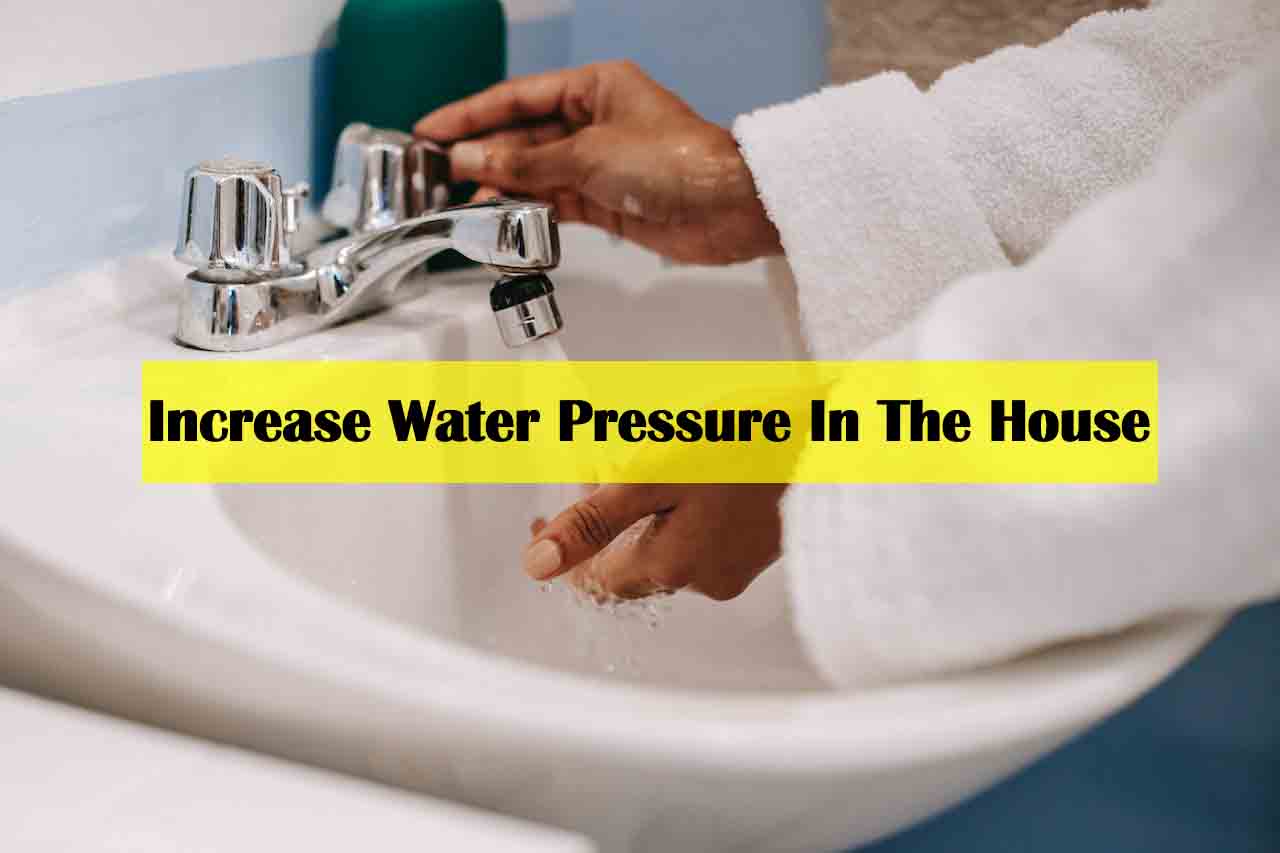
4. Clogged Pipes: The Plumbing Arteriosclerosis
Over years of use, pipes can accumulate mineral deposits (especially if you live in a hard water area), sediment, or even corrosion. This buildup narrows the internal diameter of the pipes, making it harder for water to flow freely. It’s similar to how plaque can build up in arteries, restricting blood flow. While not as dramatic as a full blockage, this gradual narrowing is a major cause of declining water pressure.
Cultural Nugget: In ancient Roman times, lead pipes were common. While they had impressive aqueducts, these lead pipes could leach into the water supply, causing health issues. Thankfully, modern plumbing uses safer materials, but the potential for buildup remains!
DIY Check: Try turning on a faucet and observing the flow. Is it weak but steady? Or does it sputter and fluctuate? Sputtering can sometimes indicate a partial blockage. If you have older galvanized steel pipes, corrosion is a common issue. They’re more prone to rust and buildup than copper or PEX.
5. Old or Faulty Fixtures: The Weak Links
Sometimes, the problem isn't with the pipes themselves but with the end points. Old, clogged showerheads, aerators on faucets that are gummed up with mineral deposits, or even a faulty pressure-reducing valve can all be the source of your low-pressure woes. These are the unsung heroes (or villains) of your water system.
Easy Fix: Unscrew your showerhead and faucet aerators. Soak them in a solution of white vinegar for a few hours or overnight. This helps dissolve mineral buildup. Rinse them thoroughly and reattach. You might be surprised by the immediate difference!
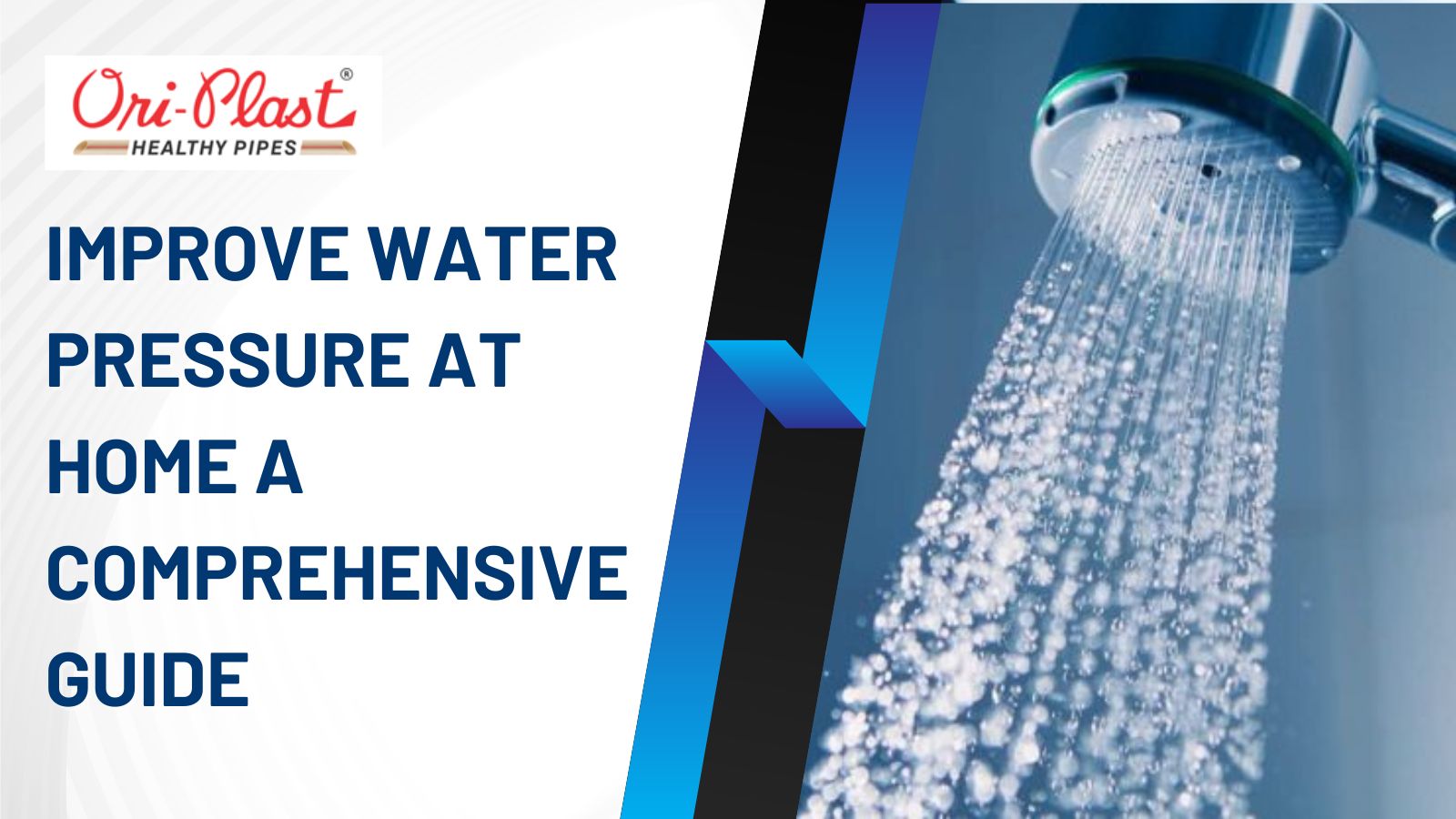
The Pressure-Reducing Valve (PRV): Many homes have a PRV installed where the water line enters the house. Its job is to reduce the incoming municipal water pressure to a safe and manageable level for your home's plumbing. If this valve malfunctions or is set too low, it can significantly impact your home’s water pressure. These are often found near your main shut-off valve.
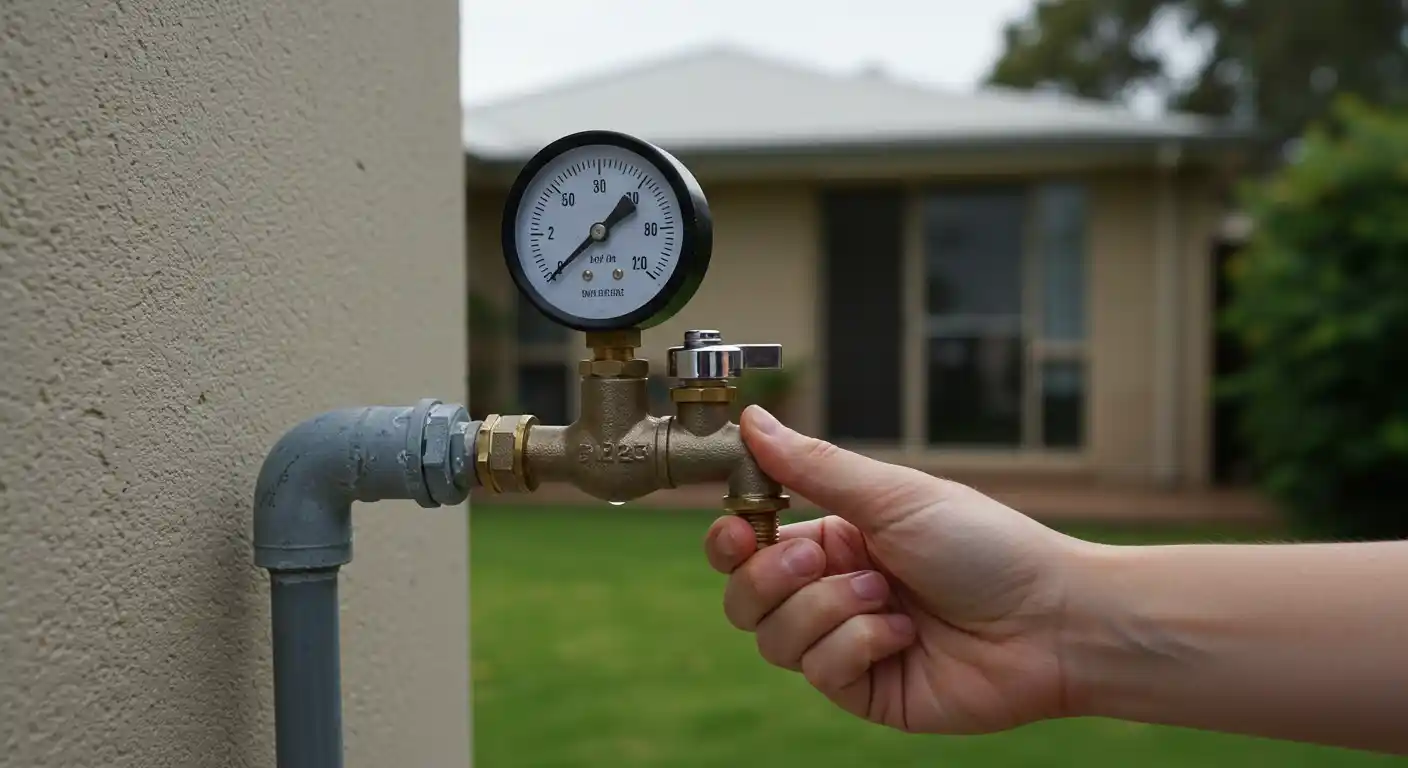
Pro Tip: If you’re unsure about your PRV’s setting or condition, it's best to have a plumber inspect it. They can test its functionality and adjust it if necessary.
6. Too Many Fixtures Running: The Water Hog Scenario
This is less of a "problem" and more of a "usage pattern." If you have multiple water-using appliances or fixtures running simultaneously – say, the dishwasher is on, the washing machine is filling, and someone is taking a shower – you're essentially dividing your available water pressure among them. It’s like trying to get a whole family to drink from the same small cup at once!
Think About It: Does your water pressure dip significantly only when multiple things are running? If so, it’s likely not a plumbing issue but a matter of demand. In older homes with smaller pipes, this is more common.
Boosting Your Water Pressure: The Solutions
Now that we've identified some potential culprits, let's talk about how to get that water pressure flowing with renewed vigor. Some solutions are simple DIY fixes, while others might require a helping hand from a plumbing professional.
1. The Simple Checks: Quick Wins
We’ve already touched on a few of these, but they’re worth reiterating because they are the easiest and most common fixes:
- Check the Main Shut-Off Valve: Ensure it’s fully open.
- Clean Faucet Aerators and Showerheads: A simple soak in vinegar can work wonders.
- Inspect for Obvious Leaks: Look for puddles or dampness.
Magazine Moment: Imagine this: It’s Saturday morning, you're enjoying a lazy brunch, and you notice your coffee maker is sputtering. A quick, 5-minute fix to the aerator on your kitchen faucet and suddenly, you've got a powerful stream for your morning brew. Bliss!
2. Installing a Water Pressure Booster Pump: The Power-Up
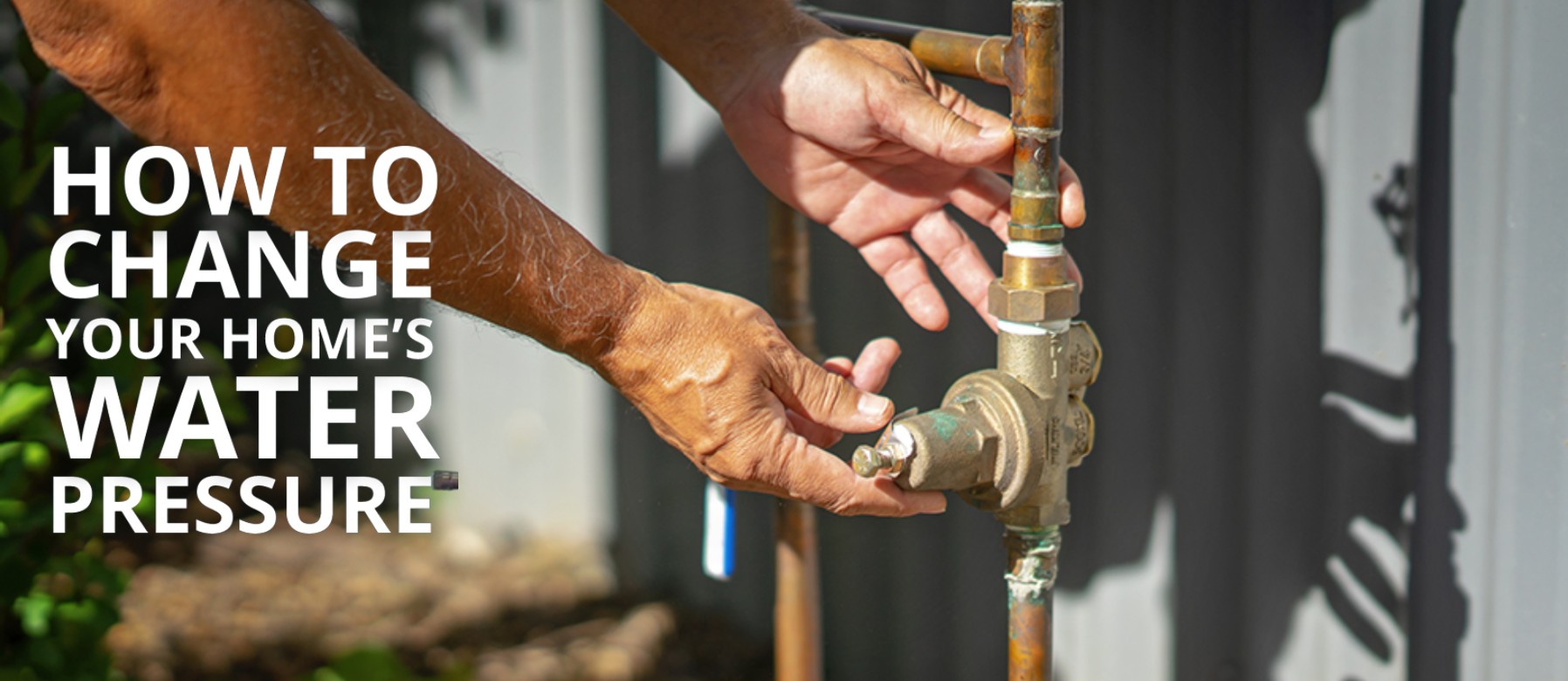
If you've exhausted the simple checks and your pressure is still stubbornly low, it might be time for a more robust solution: a water pressure booster pump. These are small, electric pumps that are installed on your main water line. They sense when water is being used and automatically kick in to increase the pressure delivered to your home.
How It Works: Think of it as a mini-engine for your water. When you turn on a faucet, the pump senses the drop in pressure and boosts it back up to a pre-set level. They are typically quiet and energy-efficient.
Considerations: Booster pumps are a more significant investment than cleaning an aerator, but they offer a dramatic and permanent solution for low-pressure issues. You’ll need to consider the size of the pump needed for your home’s water usage and the available space for installation. This is usually a job for a qualified plumber.
3. Installing a Whole-House Water Filter: Preventing Future Woes
While not a direct pressure booster, a good whole-house water filter can prevent pressure loss caused by sediment and mineral buildup in your pipes. By filtering out debris and minerals at the source, you keep your pipes cleaner and maintain better flow over time. It’s like giving your plumbing a healthy diet!
Lifestyle Link: Imagine never having to worry about that gritty feeling in your shower or the gradual slowdown of your faucet. A filter contributes to that seamless, effortless flow that’s part of an easy-going lifestyle.
Maintenance Note: Filters need regular replacement of cartridges, so factor that into your ongoing home maintenance.
4. Checking and Adjusting Your Pressure-Reducing Valve (PRV): Fine-Tuning
As mentioned earlier, if your PRV is faulty or set too low, it’s a major culprit. A plumber can test your current pressure and adjust the PRV to the optimal setting for your home (typically between 40-60 PSI). If the valve itself is failing, it will need to be replaced.
DIY Danger Zone: While adjusting a PRV might seem simple, incorrect settings can lead to damage to your appliances or even burst pipes. It’s generally recommended to have a professional handle this, especially if you’re unsure.
5. Considering Pipe Upgrades: The Long-Term Solution
If you have very old, corroded, or undersized pipes (especially in older homes), the most effective long-term solution might be to re-pipe your home. This is a significant undertaking, often involving opening up walls, but it can permanently resolve low-pressure issues stemming from pipe condition.
The Takeaway: This is a major renovation and not a quick fix, but for chronic, severe low pressure caused by failing infrastructure, it's the ultimate solution.
A Quick Note on Water Softeners
Many people wonder if a water softener will help with pressure. While a water softener removes minerals that can cause buildup and contribute to pressure loss over time, it doesn't directly boost pressure itself. So, if your pressure is low due to mineral buildup, a softener can help maintain good pressure, but it won't increase it if the problem is something else.
Making Peace with Your Plumbing
Low water pressure can be a real buzzkill. It turns a relaxing shower into a chore and makes everyday tasks feel a bit more sluggish. But as we've seen, the reasons are often quite straightforward, and the solutions, while sometimes requiring a bit of effort or professional help, are well within reach.
From the simple act of opening a valve to the more significant step of installing a booster pump, there are ways to reclaim the powerful flow that makes a house feel like a home. It’s about ensuring that when you turn on a tap, you get the satisfying rush of water you expect, contributing to that effortless, easy-going rhythm of daily life. After all, a little extra pressure can make a big difference, turning mundane moments into something a bit more… invigorating.