
How Do You Grow An Almond Tree
So, you’ve been staring at your backyard, right? That little patch of dirt just begging for a bit more pizzazz. Maybe you’re dreaming of more shade, a splash of green, or, dare I say it, nuts? Specifically, almond nuts!
Let’s be honest, the idea of growing your own almond tree might sound a tad… ambitious. Like, “Is this a gardening show I’m watching, or my actual life?” ambitious. But what if I told you it’s not as complicated as you might think? And honestly, imagine the satisfaction of cracking open a fresh almond you grew yourself. Pure magic, I tell you!
Forget those pre-packaged bags from the grocery store. We’re talking about a journey, a little bit of patience, and a whole lot of sunshine. Ready to dig in? Let’s get this tree-t growing!
The Grand Plan: Is an Almond Tree Right for You?
First things first, let’s have a little heart-to-heart. Almond trees are sun-worshippers. They love warmth and despise frost. So, if you live somewhere that gets a serious chill in the winter, you might need to reconsider. Think Mediterranean vibes: sunny, dry summers and mild winters. If that sounds like your neck of the woods, then you’re already halfway there!
Another key ingredient? Space. Almond trees can get pretty big, so you’ll want to give them room to spread their leafy wings. Not a tiny balcony gardener, this one. But if you’ve got a decent yard, this is where the fun begins!
Choosing Your Almond Adventure: Seeds or Saplings?
Now, how do we get this almond dream started? You have two main paths, and each has its own charm.
You could, in theory, start from a seed. Yes, the actual almond you eat! This is the most… experimental route. You’ll need to get your hands on some raw, unroasted almonds (the ones in the shell are your best bet, but even shelled ones might work if they’re not too processed). Soak them, maybe even give them a little chill treatment (stratification, for the fancy folks), and then plant them. It’s like playing a game of botanical roulette!

The downside? It can take a long time to see results, and you’re not guaranteed to get a tree that produces delicious nuts. Sometimes, nature just likes to keep us on our toes, right?
The more reliable and, let’s be honest, less anxiety-inducing option is to start with a sapling. This is a young tree that’s already been grafted (that’s a fancy gardening term for joining two plant parts together for a stronger, more productive tree). You can find these at your local nursery or online from reputable garden centers. It’s like skipping straight to the good part of the movie!
Buying a sapling gives you a much better chance of getting a tree that’s suited to your climate and will actually produce those yummy almonds. Plus, you get to skip the agonizing wait of germination. Win-win!
Planting Your Promise: Sunshine and Good Soil
Okay, you’ve got your sapling (or your hopeful seed!). It’s time to give it a home.
Location, location, location! I cannot stress this enough: find the sunniest spot you have. We’re talking at least six to eight hours of direct sunlight a day. If your yard is a shady wonderland, an almond tree might not be the happiest camper.
Next up: soil. Almond trees aren’t super fussy, but they do prefer well-draining soil. Think of it this way: you don’t want your tree’s roots to be sitting in a soggy swamp. If your soil is heavy clay, consider amending it with some compost or sand to improve drainage. Good soil is like a comfy bed for your little tree – it’ll thank you for it!
When you’re ready to plant, dig a hole that’s about twice as wide and as deep as the root ball of your sapling. Gently loosen the roots if they’re tightly bound, and place the tree in the hole so the top of the root ball is level with the surrounding soil. Backfill with the soil you removed, give it a good watering, and pat yourself on the back. You’ve just planted a future snack!
The Not-So-Secret Life of an Almond Tree: Watering and Feeding
Now that your tree is settled in, it needs a little TLC. Think of it as nurturing a tiny, woody toddler.

Watering is key, especially when the tree is young. Give it a good soak, and then let the soil dry out a bit between waterings. As the tree matures, it becomes more drought-tolerant, but during hot, dry spells, a good watering session will be much appreciated. Nobody likes to be parched, not even a tree!
Feeding is also important, but don’t go overboard. A balanced, slow-release fertilizer applied in early spring is usually sufficient. Think of it as a healthy breakfast for your tree, giving it the energy it needs to grow and produce.
The Pollination Predicament (It’s Not as Scary as it Sounds!)
Here’s a little gardening secret: most almond trees need a buddy. That’s right, they’re not always self-sufficient when it comes to making those precious nuts. They need another almond tree nearby to share pollen.
You’ll need to plant two different varieties of almond trees that are compatible for pollination. This is where your local nursery or garden center is your best friend. They can guide you on which varieties will play nicely together. It’s like setting up your tree for a blind date that hopefully ends in… well, almonds!

If you only have space for one tree, don’t despair! Some newer varieties are self-pollinating, or you might have a neighbor with an almond tree. A little community spirit can go a long way in the gardening world!
Patience is a Virtue (Especially with Nuts!)
This is where the real inspiration kicks in, my friends. Growing an almond tree is a lesson in patience. It takes time. You won’t be harvesting your own almonds in the first year, or even the second. We’re talking a few years, maybe three to five, before you see a significant harvest.
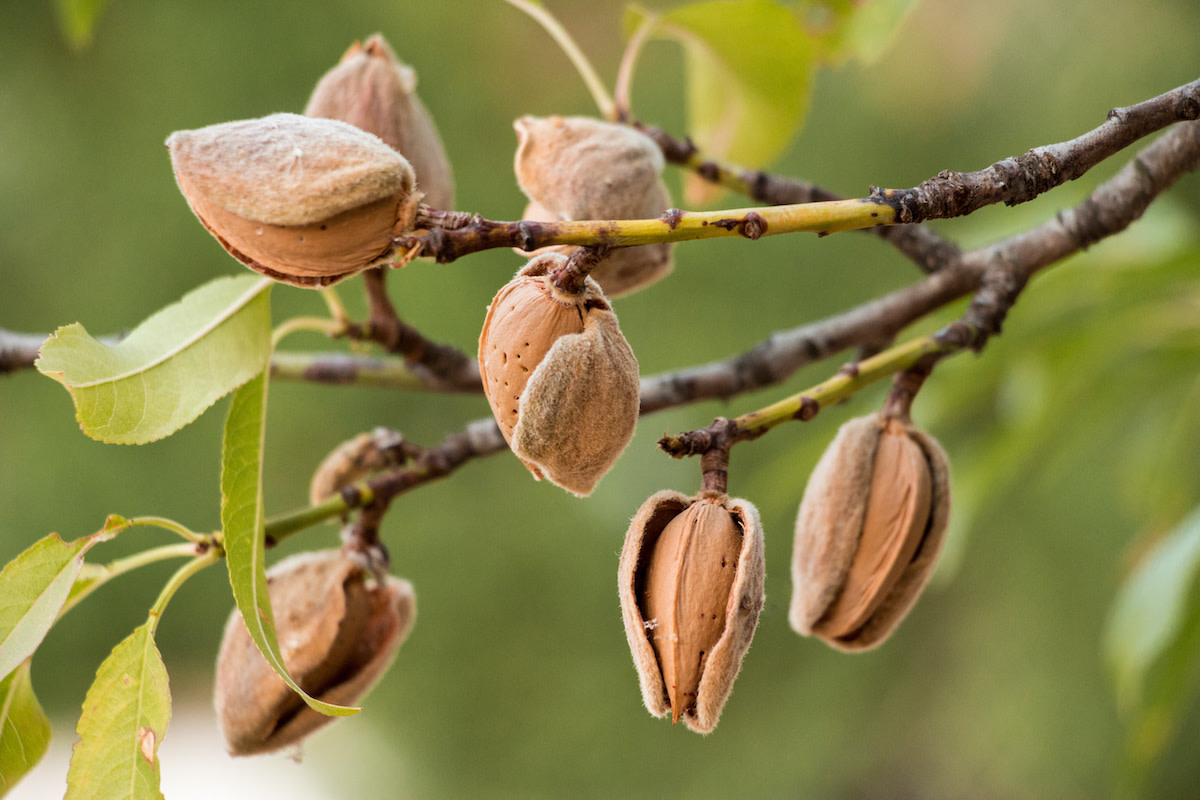
But that’s the beauty of it, isn’t it? It’s a long-term project, a commitment to something that will grow and thrive over time. It’s about the process, the watching, the nurturing. And when those first little green husks start to appear, and then turn brown, and you can finally crack one open… oh, the triumph!
Imagine the stories you’ll tell. The kids will be fascinated. You’ll be the neighborhood guru of homegrown goodness. It’s more than just growing a tree; it’s growing a connection to nature, a source of healthy snacks, and a heck of a lot of fun.
So, are you ready to plant a little bit of sunshine and watch it grow into something truly delicious? Go ahead, give it a try. You might just surprise yourself with what you can grow, and the joy it brings. The world of gardening is vast and wonderful, and an almond tree is just one small, nutty step into a whole lot of inspiration!