
How Do I Sell A Gold Bar
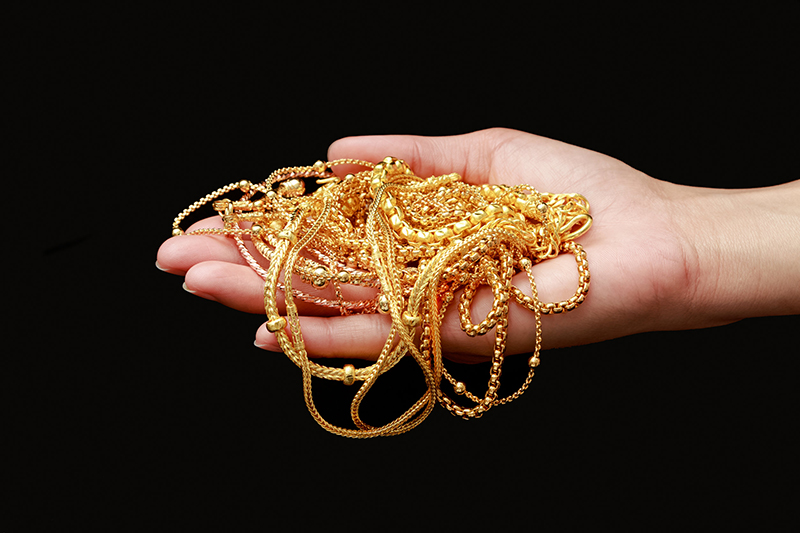
So, you've got a gold bar sitting around. Maybe it was a quirky inheritance, a lucky find in an old attic, or perhaps you just like the idea of owning a solid piece of shiny history. Whatever the reason, you're now wondering, "How in the heck do I turn this golden nugget into, you know, actual money?" It’s not quite like selling a used toaster, but it’s also not rocket science, thankfully!
Think of it like this: your gold bar is a little bit of treasure, and you're looking for the right person or place to appreciate its value. It’s a surprisingly common thought, and there are plenty of folks out there who are very interested in what you have. The world of precious metals is bigger and more exciting than you might think.
The first thing you’ll want to do is figure out exactly what you have. Is it a tiny, pocket-sized bar, or is it something that could double as a very fancy doorstop? Knowing its size and weight is super important. This is where the real adventure begins, in a small, quiet way.
You might be tempted to grab the nearest kitchen scale, and while that’s a start, for accuracy, a more precise scale is your friend. Think jeweler’s scale or even a scientific one. This is because even a tiny difference in weight can mean a noticeable difference in price. It's all about those little details, like finding a hidden emoji in a text message.
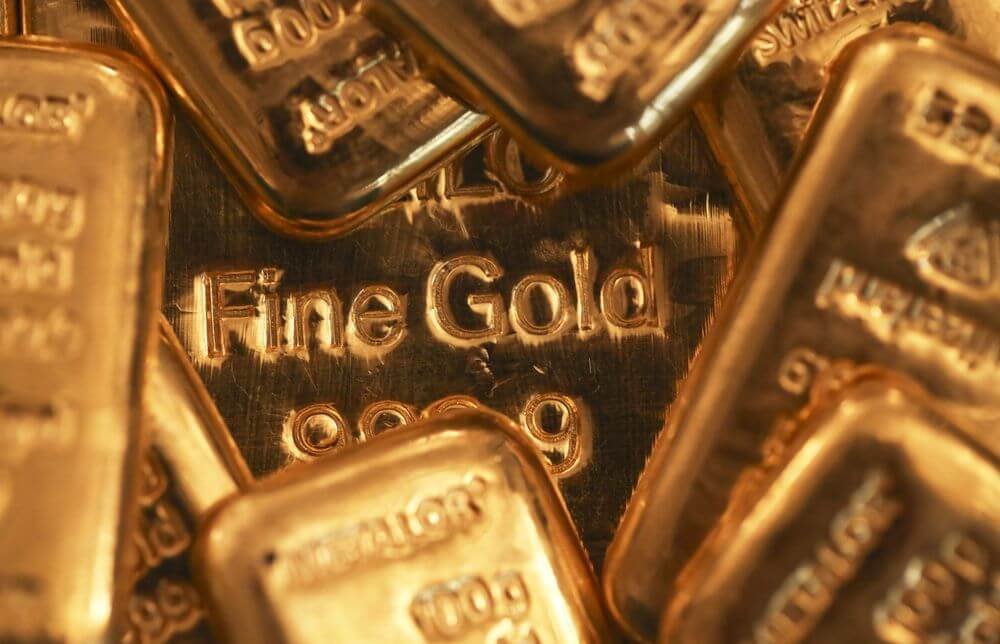
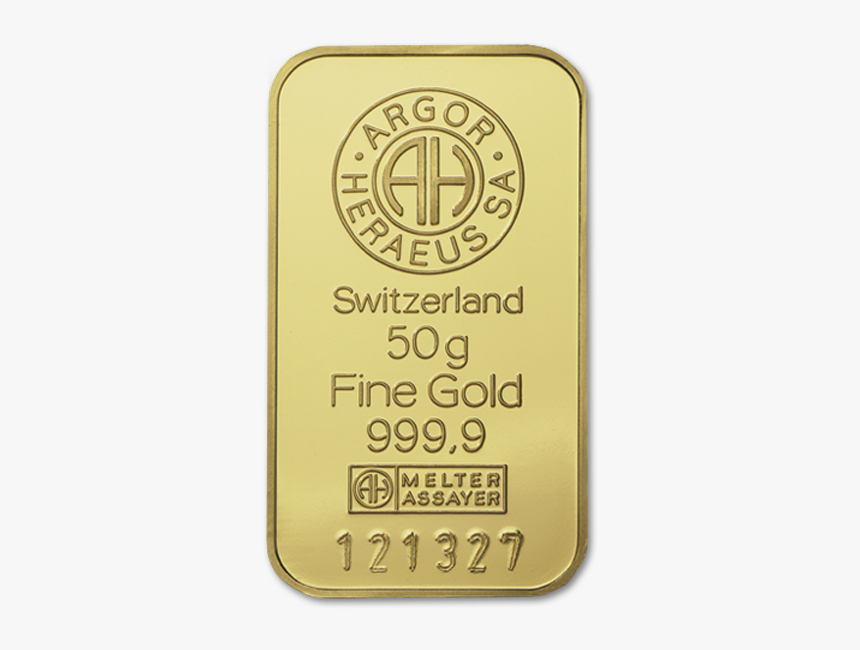
Next up is figuring out its purity. Gold bars usually come with a stamp indicating their fineness, often expressed as a number like 999.9. This means it's 99.99% pure gold. If your bar is looking a bit shy on markings, that might mean a trip to a professional is in order. Don't worry, they've seen it all before.
Now, where do you actually go to sell this gleaming beauty? Several options spring to mind, each with its own vibe. Think of them as different shops in a magical market, each offering a unique experience for your golden prize. You're basically a merchant of magnificent metal!
One of the most straightforward routes is a local coin dealer or precious metals broker. These are the folks who deal with gold and silver all day long. They’re usually pretty knowledgeable and can give you a fair price on the spot. It’s like visiting the seasoned blacksmith in a fantasy village; they know their stuff.

When you walk into one of these places, be prepared for them to examine your bar. They'll weigh it, check its purity, and then tell you what they're willing to pay. It’s a pretty transparent process, and you can usually get a pretty good idea of its market value. They might even have a cool magnifying glass!
Another popular option is selling online. There are numerous reputable websites dedicated to buying gold. This can be super convenient, especially if you don't have a local dealer nearby or prefer the comfort of your own home. It's like sending your gold on a digital adventure to find its new owner.
Selling online often involves requesting a secure shipping kit. You pack your gold, send it off, and get paid once they've verified it. The key here is to choose a well-established, trustworthy platform. You wouldn't send your prize possession via a carrier pigeon, would you?
Think about sites like APMEX, JM Bullion, or even some of the larger online pawn shops. They all have established procedures for buying precious metals. It's a bit like ordering a pizza, but instead of pepperoni, you're getting cash for gold.
Then there’s the slightly more old-school approach: pawnbrokers. While they can offer quick cash, their offers might not always be the absolute highest compared to dedicated precious metals dealers. They’re more like the friendly neighborhood store that might have what you need, but maybe not the specialist knowledge of a boutique.
It's important to remember that the price of gold fluctuates daily. This is a bit like the stock market, but for something much shinier and less likely to involve spreadsheets. So, the value of your bar can change from one day to the next.
This is why doing a little research beforehand is a smart move. You can check the current spot price of gold on financial news websites or dedicated bullion sites. This gives you a benchmark to compare offers against. It’s like knowing the going rate for a magic potion before you haggle with the wizard.
When you're comparing offers, don't just look at the final number. Ask how they calculate their price. Are they paying you based on the spot price minus a percentage, or a flat rate per ounce? Understanding their methodology is crucial for a fair deal.
Sometimes, you might encounter places that advertise "cash for gold" in a more general sense, like jewelry stores or pawn shops that also buy scrap gold. While they might buy your bar, they might not be as well-equipped to assess its value accurately as a dedicated bullion dealer. It’s like asking a baker to fix your car – they might try, but it’s not their specialty.
Be wary of offers that seem too good to be true. If someone is offering you significantly more than the current market rate, there might be a catch. It’s usually a good idea to trust your gut, and if something feels off, it probably is. Think of it as a warning bell, but with a gilded finish.
One of the most heartwarming aspects of selling gold can be the stories behind it. You might meet someone who is excited to buy your bar to add to their collection, or to melt down for jewelry. It’s a passing of the torch, from one custodian of this ancient metal to another.
Imagine a young couple saving up for their dream home, and your gold bar helps them get there. Or perhaps a collector who has been searching for that specific type of bar for years. Your gold might be fulfilling someone else’s dream, which is a pretty neat feeling.

The process itself can be quite simple once you've done your homework. Find a reputable buyer, get an offer, and if you're happy, you can make the sale. It’s a transaction, yes, but it’s also a little bit of a connection to the wider world of finance and history.
So, that gold bar sitting there? It’s not just inert metal. It’s an opportunity. An opportunity to learn, an opportunity to connect, and an opportunity to turn a solid piece of history into something that can benefit you or someone else in a very real way. It's your golden ticket to a straightforward sale!
Don't be intimidated by the process. Most buyers are happy to answer your questions and guide you through. The key is to be informed and to choose a buyer you trust. After all, you’re parting with something rather special, and that deserves a bit of respect and a good deal.
Ultimately, selling a gold bar is a straightforward financial transaction, but it’s also a little adventure into the world of precious metals. It’s about understanding value, finding the right market, and perhaps even making someone else’s day a little bit brighter with your golden offering. Happy selling, you treasure hunter!