
How Do I Get Rid Of Bees
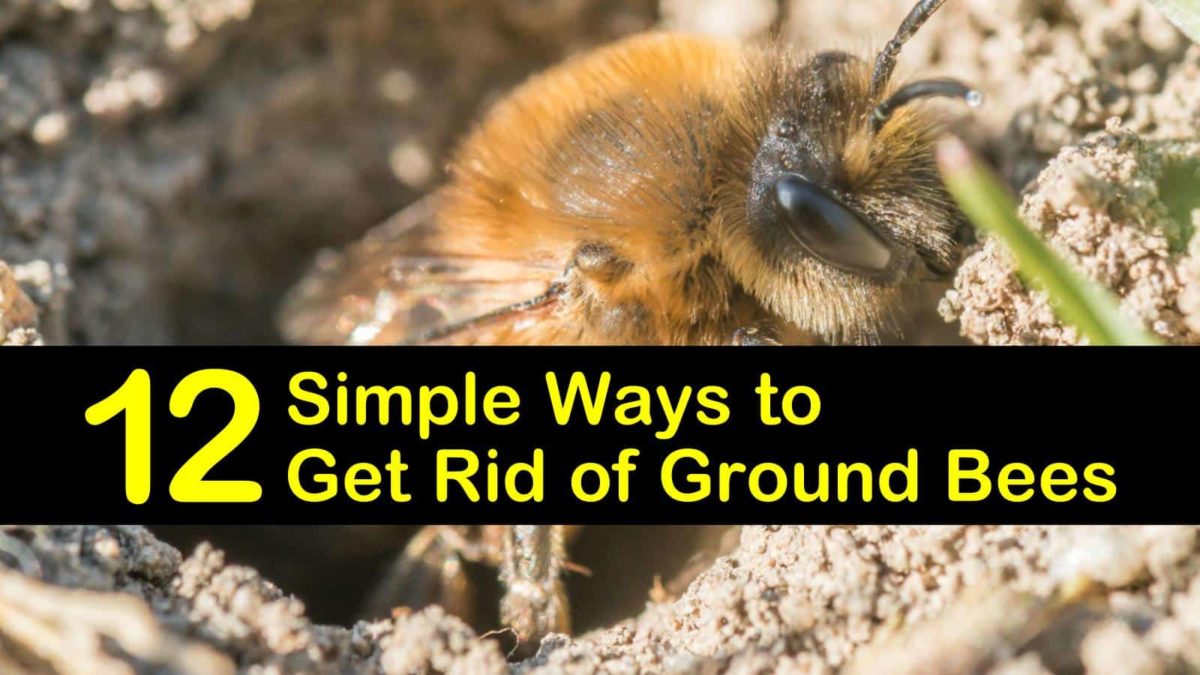
Let's face it, there's something undeniably fascinating about bees. These tiny, buzzing marvels are the unsung heroes of our planet, responsible for pollinating a staggering amount of the food we eat. From the crisp apples in your lunchbox to the sweet berries in your smoothie, chances are a busy bee had a hand in bringing it to your plate. But while we sing their praises for their ecological contributions, sometimes, just sometimes, those buzzing buddies decide to set up shop a little too close for comfort. Whether it's a hive in your garden shed or a swarm making itself at home in your favorite patio umbrella, knowing how to gracefully encourage them to find a new, less populated address is a surprisingly useful skill. It's not about getting rid of them entirely – far from it! – but about finding a harmonious coexistence, ensuring both your peace of mind and their continued buzzing adventures elsewhere.
The purpose of understanding "how to get rid of bees" isn't to wage war on these vital pollinators. Instead, it's about responsible coexistence and ensuring safety for both humans and the bees themselves. Often, when people ask this question, they're dealing with a situation where a bee colony has established itself in an inconvenient or potentially hazardous location. Think about it: a nest inside a busy doorway, or a swarm hanging precariously from a child's play area. In these instances, the goal is not eradication, but relocation and deterrence. By learning effective and humane methods, we can protect ourselves from stings while simultaneously safeguarding these incredible creatures. It's a win-win scenario, promoting a healthier environment and a more peaceful backyard.
When Bees Become Neighbors: Understanding the Situation
The first thing to understand is that not all bees are created equal, and their behavior can vary. You're likely encountering either honeybees, known for their social colonies and tendency to build hives in cavities, or bumblebees, which are generally more docile and often nest in smaller cavities like old rodent burrows or under sheds. Then there are the solitary bees, like mason bees and leafcutter bees, who are also crucial pollinators and don't form large colonies, usually nesting in pre-existing holes or cavities. Recognizing which type of bee you're dealing with can significantly influence your approach. For instance, a buzzing cluster of honeybees might indicate a new swarm looking for a permanent home, whereas a few solitary bees diligently visiting your flower patch are likely doing their important work without causing any real trouble.
The Gentle Art of Bee Diplomacy: Humane Relocation
If you discover a bee colony in an undesirable spot, the most important thing to remember is to stay calm. Bees are generally not aggressive unless they feel threatened. If you see a swarm of bees, it's often a temporary situation. They might be resting while scout bees look for a new nest site. In such cases, it's best to observe from a distance and let them move on. If the bees have established a more permanent residence, like a hive within a wall or a structure, the best course of action is usually to contact a professional. These professionals, often referred to as beekeepers or pest control services specializing in bee removal, have the knowledge and equipment to safely and humanely remove the hive and relocate the bees. They can often save the colony, which is a wonderful outcome for both the bees and the environment. For smaller, less established nests, sometimes gentle encouragement can work.

Always prioritize safety. If you are unsure about the situation or if there are signs of aggression, it's best to seek professional help rather than attempting removal yourself.
Bee-Smart Deterrence: Keeping Them Out of Your Hair
Prevention is key! If you want to discourage bees from setting up shop in unwanted areas, there are several effective strategies. Bees are attracted to certain scents and environments. For instance, keeping your outdoor spaces clean and free from sugary spills or food scraps will reduce their attraction. You can also make certain areas less appealing. Bees generally dislike strong, natural scents like peppermint, eucalyptus, and citronella. Planting these herbs around your patio or near entry points can act as a natural deterrent. Sealing up any cracks or holes in your home's exterior can also prevent them from finding suitable nesting spots. Remember, the goal isn't to create a sterile environment, but to guide them towards more natural habitats away from your living spaces.
The Bigger Picture: Why We Want Bees Around
It's crucial to reiterate that these methods are about managing bee presence, not eliminating it. Bees are indispensable. Approximately one-third of the food we consume relies on pollination, and bees are the primary pollinators. Without them, our diets would be drastically different, and many ecosystems would struggle. So, when you're considering how to manage bees in your immediate vicinity, remember the immense good they do. Embrace the buzzing, but when necessary, manage it with respect and understanding. Learning to coexist with our striped, winged neighbors is a skill that benefits us all.