
How Do I Get A C1 Licence
So, you’ve been hearing about this “C1 licence” and it sounds like some kind of secret handshake or maybe a special key to unlock a hidden level in a video game. Well, not quite, but it’s definitely something that can open up some really cool doors for you, and honestly, it’s not as scary as it sounds. Think of it like graduating from being able to drive your trusty little hatchback to being able to handle something a bit more… substantial.
Imagine this: you’re at a friend’s wedding, and they’ve hired a truly magnificent vintage campervan for their honeymoon road trip. Or maybe you’ve always dreamt of running a quirky mobile bookshop, or even helping out at a local animal sanctuary with their big horsebox. Suddenly, your regular driving licence just doesn’t cut it. That’s where our friend, the C1 licence, swoops in to save the day!
So, What Exactly Is a C1 Licence?
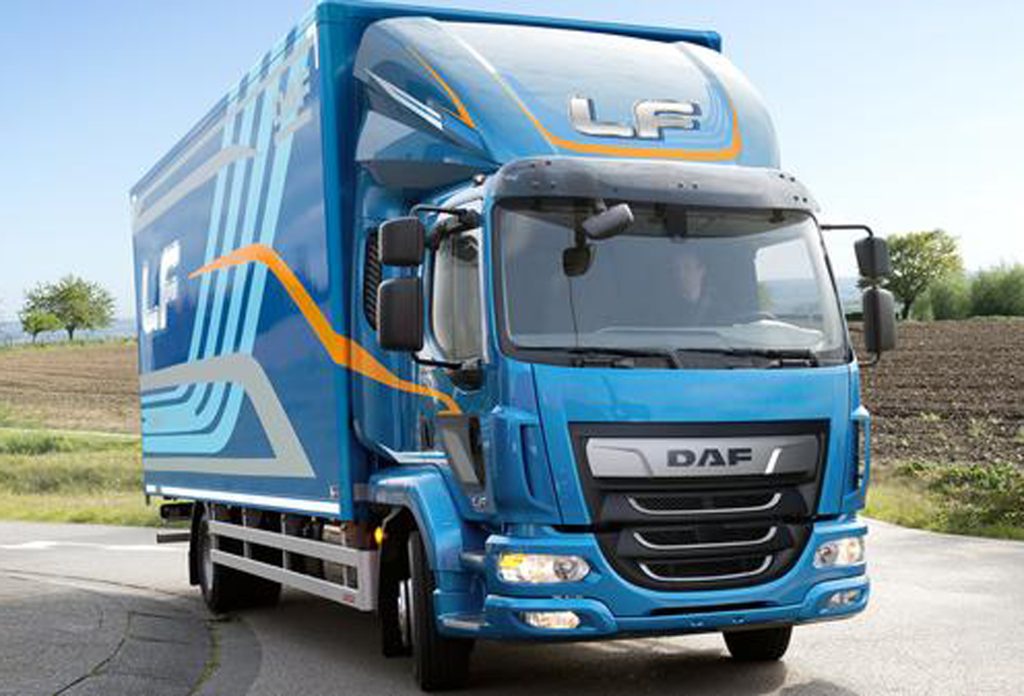
Alright, let’s break it down. In simple terms, a C1 licence allows you to drive vehicles that are a bit bigger than your average car, but not quite a full-on lorry. Think of it as the Goldilocks of vehicle categories – just right for a lot of really useful and fun purposes.
Specifically, it’s for vehicles with a maximum authorised mass (that’s the fancy term for the heaviest the vehicle can be, including its load and any passengers) of between 3,500kg and 7,500kg. It also lets you tow a trailer, but the combined weight has to stay within certain limits.
For a bit of perspective, your average family saloon car is usually around 1,500kg to 2,000kg. So, you’re looking at vehicles that are roughly two to four times heavier than that. That might sound like a lot, but think about it – have you ever seen those adorable little horseboxes carting around ponies? Or those spacious campervans that look like mini-houses on wheels? Yep, those often fall into the C1 category.
Why Should You Even Care About This Licence?
This is the fun part! Why bother with a new licence? Well, let’s get real. Life throws us curveballs, and sometimes those curveballs come in the form of opportunities that require a bit more muscle under the bonnet.
Dreaming of a mobile business? Imagine a coffee truck that serves up the best lattes in town, or a vintage ice cream van that brings joy to summer fairs. Many of these require a C1 licence to operate legally and safely. You could be your own boss, cruising around, making people happy, and earning a living – all from the comfort of your well-equipped vehicle!

Adventure awaits! For the budding adventurer, a C1 licence opens the door to larger motorhomes and campervans. No more squashed sleeping bags and arguments over legroom! You can explore the countryside, head to festivals, or simply enjoy a more comfortable and independent way to travel. Think spontaneous weekend getaways and epic road trips without being confined to a small space.
Helping out your community. Local charities, animal rescue centres, and community groups often need help with transporting larger items, equipment, or even animals. Having a C1 licence can make you an invaluable volunteer, allowing you to contribute in a more meaningful way. You could be helping to move essential supplies, transport rescued animals to new homes, or assist with event setups.
A career boost? While we’re talking about everyday life, it’s worth mentioning that for some, a C1 licence can be a stepping stone. It’s a qualification that shows responsibility and the ability to handle larger vehicles, which can be attractive to employers in various sectors.
Okay, I'm Intrigued. How Do I Actually Get One?
Right then, you’re convinced. You can picture yourself behind the wheel of that dream campervan. So, how do we make this happen? It’s a bit like learning to ride a bike, but with more paperwork and a slightly bigger vehicle.
First things first, you need to be of a certain age. Generally, you need to be at least 18 years old to get a C1 licence. You’ll also need to hold a full Category B (car) licence, which you probably already do if you’re reading this!

The process usually involves a few key steps:
1. The Medical: A Quick Health Check
Before you get too excited, you’ll need to prove you’re fit to drive a larger vehicle. This involves a medical examination by a doctor. Think of it as a slightly more in-depth check-up than your annual MOT, but nothing to lose sleep over. They’ll check your eyesight, blood pressure, and general health to make sure you’re up to the task. It’s all about safety, for you and everyone else on the road.
2. The Theory Test: Brain Power Required
Just like with your car test, you’ll need to pass a theory test. This covers a lot of the same ground as your car theory test, but with a specific focus on larger vehicles. You’ll be quizzed on things like vehicle weights, load security, tachographs (that’s the device that records driving hours for commercial vehicles, though you might not need one for personal use), and emergency procedures. There are plenty of resources available online and in books to help you revise and get those brain cells firing!
3. The Practical Test: Getting Behind the Wheel
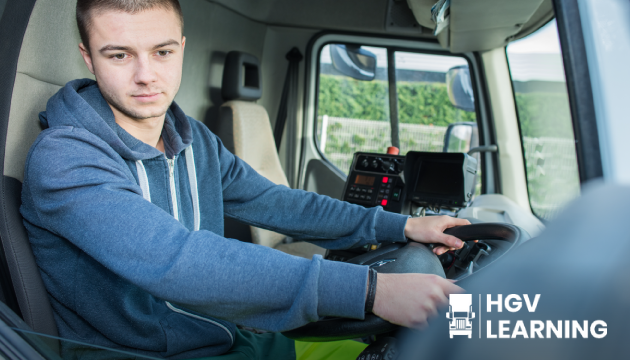
This is the big one! You’ll need to take a practical driving test with an approved examiner. You’ll be driving a vehicle that meets the C1 category requirements, which will be larger than your everyday car. The examiner will assess your ability to handle the vehicle, your awareness of the road, your manoeuvring skills, and your overall safe driving practices.
They’ll want to see you demonstrate competence in:
- Starting and stopping smoothly. No jerky movements here!
- Effective use of mirrors and signals. Being a defensive driver is key.
- Manoeuvring the vehicle. This includes things like reversing around a corner and parking. Think of it as a slightly larger dance with your vehicle.
- Observing the road and other traffic. You need to be aware of your surroundings, especially with a bigger vehicle.
- Following traffic rules and signs. The basics, but crucial.
- Dealing with various road conditions.
Don't be intimidated by the size of the vehicle. Driving schools that specialise in C1 licences are brilliant at teaching you how to manage it. They’ll guide you through everything, from understanding the vehicle’s dimensions to mastering those essential manoeuvres. It’s a process, and with good instruction, you’ll be feeling confident in no time.
4. Driving School: Your Best Friend in This Journey
Honestly, you wouldn’t try to bake a complex cake without a recipe, would you? Trying to learn to drive a C1 vehicle without professional instruction would be a bit like that. A good driving school will have instructors who are experts in teaching people to drive these larger vehicles. They know the common pitfalls, they have the right training vehicles, and they can guide you through the entire process, from understanding the theory to acing the practical test.
They’ll help you build confidence, teach you the specific techniques needed for larger vehicles, and ensure you’re fully prepared for your test. Think of them as your personal cheerleaders and highly experienced guides all rolled into one.
The “Little Extras” and Things to Keep in Mind
While the core process is medical, theory, and practical, there are a few other bits and bobs that are good to know.
The Provisional Licence: You might need to apply for a provisional C1 licence before you can start your practical training. Your driving school will be able to advise you on this.
Costs: Yes, there are costs involved. The medical, the theory test, the practical test, and of course, the driving lessons all add up. However, think of it as an investment in future adventures or opportunities. Compare it to the cost of buying a suitable vehicle without the licence – it’s often a much more accessible route.
Time Commitment: Learning any new skill takes time. Be patient with yourself. Some people pick it up quicker than others. Focus on understanding and practising, and you’ll get there.
Tachograph Rules: If you plan to use your C1 vehicle for commercial purposes (like a business), you’ll need to understand tachograph regulations. These are designed to ensure drivers’ hours are managed safely. For personal use, you generally won’t need to worry about this.
Ready for Your Next Adventure?
Getting a C1 licence isn't just about adding another piece of plastic to your wallet. It’s about expanding your horizons. It’s about the freedom to explore, the ability to pursue a passion project, or the chance to lend a hand in a more significant way.
So, if you’ve ever found yourself looking at a larger vehicle and thinking, "Wouldn't it be great to drive that?", then perhaps it’s time to explore the C1 licence. It’s a tangible step towards making those dreams a reality. And who knows, maybe your next great adventure will start with you confidently navigating a campervan through a scenic route, or with your own little mobile business bringing smiles to faces. The road is waiting!