
How Can You Assess The Responsiveness Of A Casualty
Ever had one of those moments? You know the one. You’re in the middle of a perfectly good conversation, maybe explaining your absolutely brilliant idea for a new flavor of potato chip (think dill pickle and maple syrup, you can’t tell me it’s not genius), and the other person… well, they’re just sort of there. Their eyes are glazed over, their mouth is doing a weird little O-shape, and you’re pretty sure a tiny tumbleweed just rolled through their brain.
That, my friends, is the not-so-subtle art of unresponsiveness. And in the grand scheme of things, it’s not just limited to chatty Wednesdays. Think about it: how do we know if a car is still alive and kicking when we turn the key? We listen for that reassuring rumble, right? Or when you poke your friend after they’ve been napping for three hours on the sofa, and they don’t even twitch? That’s a different kind of responsiveness check, and probably one you hope doesn’t go badly.
So, when we talk about assessing the responsiveness of a "casualty," don't let the fancy word scare you. We’re not talking about a zombie apocalypse scenario (though if we were, responsiveness would be key to knowing if they’re more interested in your brains or your lunch). We’re talking about a situation where someone might be in distress, perhaps they’ve fallen, or are feeling unwell, and you need to figure out if they’re conscious and aware. Think of it like trying to get your teenager to answer a question that isn’t about Wi-Fi passwords or snacks. It requires a bit of finesse.
This isn't about being a doctor; it’s about being a good human. It’s about knowing when to dial for help and when to offer a reassuring pat on the back (or a gentle shake, depending on the situation). It’s the difference between a dramatic movie scene where everyone panics and a calm, collected response where you’re the hero of your own little everyday drama.
The Initial "Hey, You Alright?" Sweep
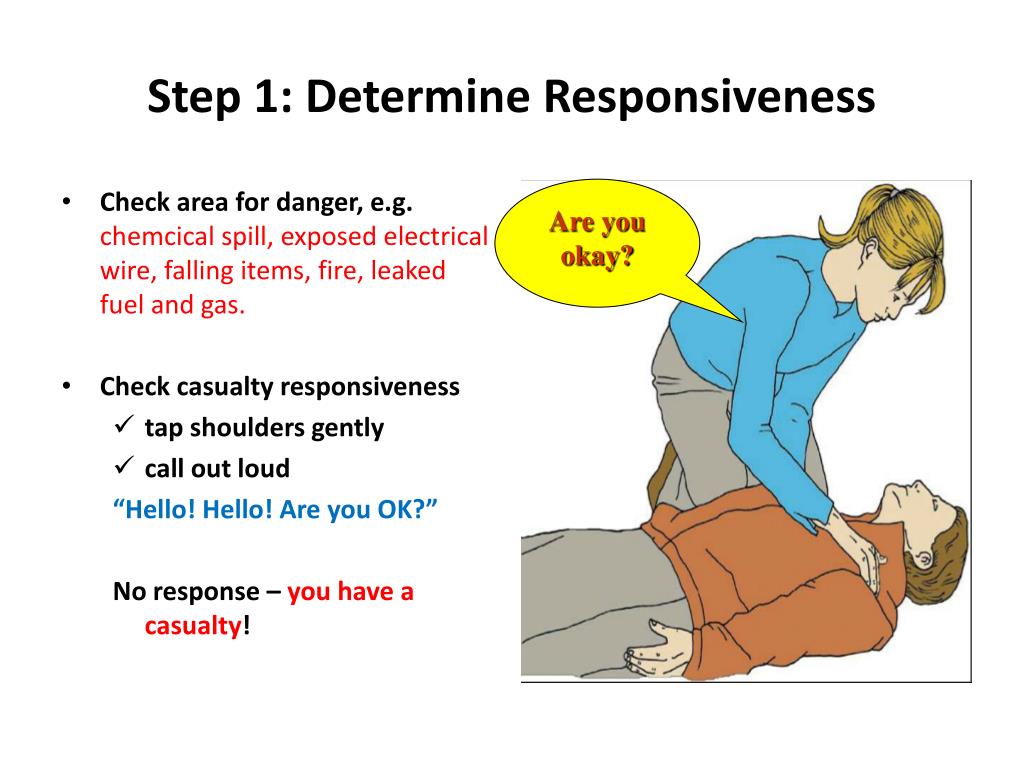
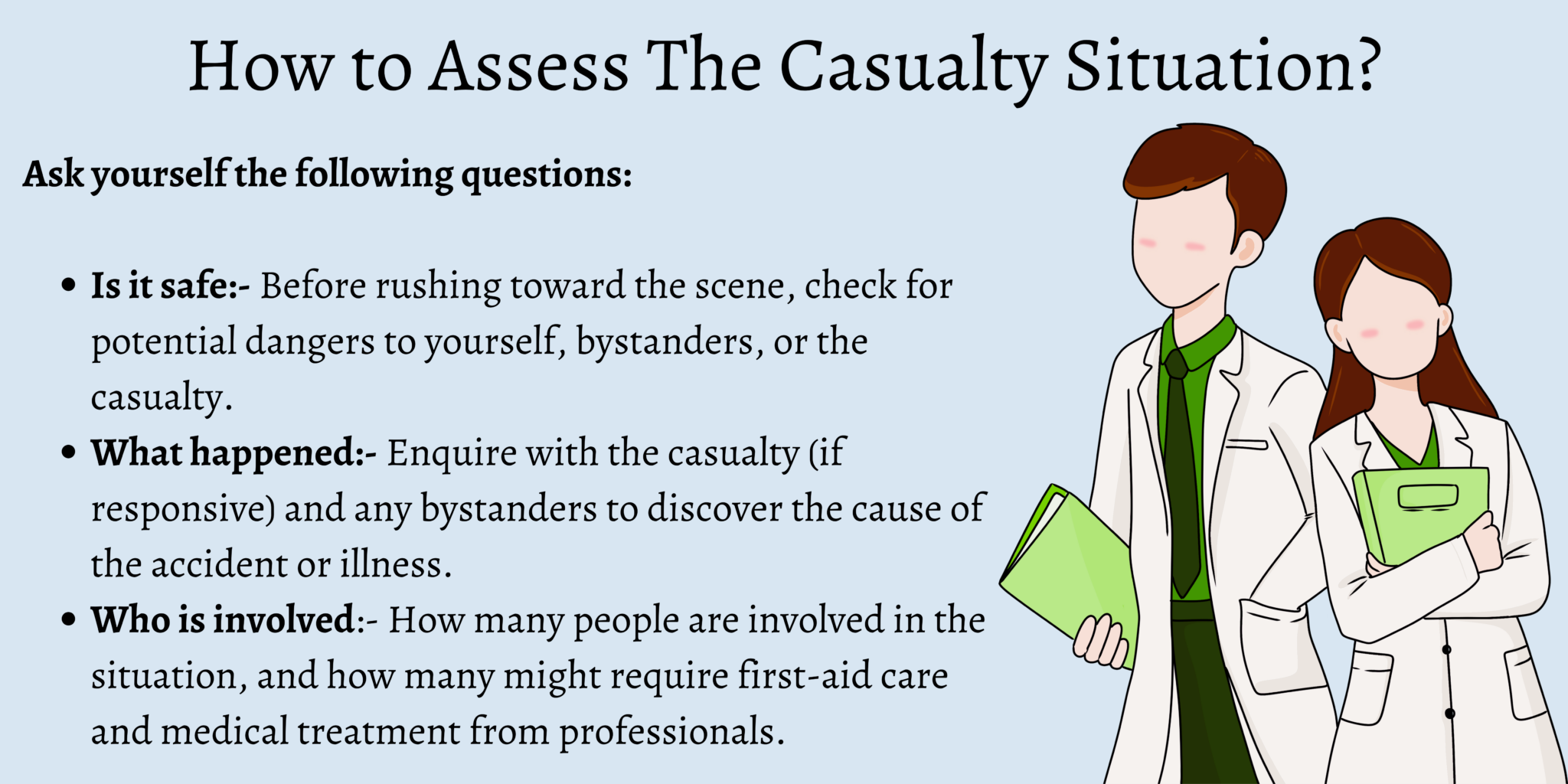
Okay, so you’ve stumbled upon a situation. Someone’s on the ground, or they look a bit wobbly. The very first thing, before you even start channeling your inner superhero, is to make sure you are safe. Are there any obvious dangers around? Is a rogue banana peel plotting world domination? Probably not, but it’s always good to have a quick scan.
Once you’ve established that you’re not about to become a cautionary tale, it’s time for the grand opening. This is your basic, everyday, "Hello? Anyone home?" test. You approach them, ideally with a friendly, non-threatening demeanor. No need to channel your inner drill sergeant. Think more of a concerned but calm bystander.
Then comes the verbal nudge. You can start with something simple and direct. "Excuse me? Are you okay?" or "Hello? Can you hear me?" It's like trying to wake up a sleepy cat; you don't want to scare them, but you definitely want a reaction. You’re looking for any sign of acknowledgement. A groan? A mumble? A flicker of their eyelids? Even a startled jump can be a good sign, meaning they're definitely not just a very realistic statue.
Imagine you’re trying to get a toddler to come for dinner. You don't just yell. You might get their attention by saying their name, "Leo! Dinner!" or making a funny noise. It’s that same principle: try to connect and see if you get any feedback. If you get nothing, it’s like calling your best friend and the phone just rings and rings with no answer. You start to wonder if they’ve joined a silent retreat or are just really committed to their nap.
The "Tap, Tap, Tap" Approach
If your initial verbal volley doesn't yield the desired results, it’s time to escalate, gently. This is where the physical nudge comes in. Now, and this is crucial, we’re not talking about giving them a full-on shoulder shimmy like you’re trying to dislodge a stubborn piece of popcorn. We’re talking about a gentle tap. Think of it like nudging your roommate awake because they’re about to miss their bus, not like you’re trying to wake them from a coma.

You can tap them on the shoulder, or if they’re lying down, perhaps on their arm. The key is to be noticeable but not alarming. You want them to feel it, not think they’re being attacked by an aggressive pigeon. "Hey! Can you hear me? Just a little tap on the shoulder." Again, you're listening for any response. Even a slight turn of the head, a widening of the eyes, or a grimace could be a sign that they’re aware of your presence, even if they can't speak.
It’s like when you’re trying to get your dog’s attention when they’re deep in a dream about chasing squirrels. A gentle pat on the flank usually does the trick. They might twitch an ear or give a little sigh, and you know they’re still in there, just having a very important dream. If they’re completely still, that’s when your internal alarm bells might start to go ding, ding, ding.
The goal here is to gauge their level of awareness. Are they completely unresponsive, like a remote control with dead batteries? Or are they somewhat aware, like a phone with only 1% battery left – still working, but you need to be careful? This distinction is important because it helps you decide what to do next.
The "Shake It Like a Polaroid Picture" (But Nicer)
Now, if the gentle taps are also met with the silence of a library during a power outage, you might need to be a little more firm. This is where you move from a gentle nudge to a more noticeable, but still controlled, stimulation. Think of it as trying to wake someone up who’s really, really overslept after a particularly epic binge-watching session.
You can gently but firmly shake their shoulder. Again, gently. You're not trying to get them to dance. Imagine you're trying to wake up a roommate who promised to help you move a giant, slightly lopsided sofa. You can't just whisper. You need a bit more oomph. "Wake up! We have to move this beast!"
You’re looking for a definite response here. Do they open their eyes? Do they try to say something, even if it's just a slurred word or a groan that sounds like they’re complaining about the early hour? Even if they just pull away slightly, that’s a positive sign. It means their body is reacting to your stimulation.

This is the stage where you're trying to get them to go from "asleep" to "confused and grumpy" territory. If you can get them to at least acknowledge you with their eyes or by trying to speak, you know they're not completely out of it. It’s like when you’re trying to get a cat off your lap when you really need to get up. A gentle tug doesn't work, but a more persistent (but still loving) attempt might get them to grudgingly move. If they stay put like a furry, immovable object, well, that’s a different conversation.
Assessing Their Sounds and Movements
While you're busy with your gentle (or not-so-gentle) waking attempts, pay attention to what they are doing, or rather, what they aren't doing. Are they making any sounds? A low moan, a sigh, or even a regular breathing pattern is generally a good sign. It means their body is functioning. Think of it like the hum of a refrigerator; it’s not exciting, but it means it’s working.
What about their movements? Are they flailing around uncontrollably, like a disco ball on a trampoline? Or are they completely limp, like a forgotten sock? Even small, involuntary movements can indicate that their nervous system is still active. It’s like when your phone buzzes with a notification; it's a sign of life, even if you don't immediately pick it up.
If they’re responding to your voice or touch by moving in a deliberate way, like trying to push your hand away or turning towards you, that’s a clear indicator that they’re aware. It's like your dog’s tail wagging when you say "walkies." It's a direct response to your cue.
Conversely, if they’re completely still, not making any sounds, and don’t react to your attempts to rouse them, that’s when your internal alarm bells should be ringing louder than a fire alarm at a fireworks factory. This is the point where you need to seriously consider calling for professional help.
The "Shout and See What Happens" Test (With a Purpose!)
Sometimes, to get someone’s attention, you just need to raise your voice. Not in an angry way, but in a way that’s loud enough to cut through whatever fog might be clouding their senses. Think of it like when you’re at a really loud concert and you need to get your friend’s attention across the room. You can’t whisper; you have to project!
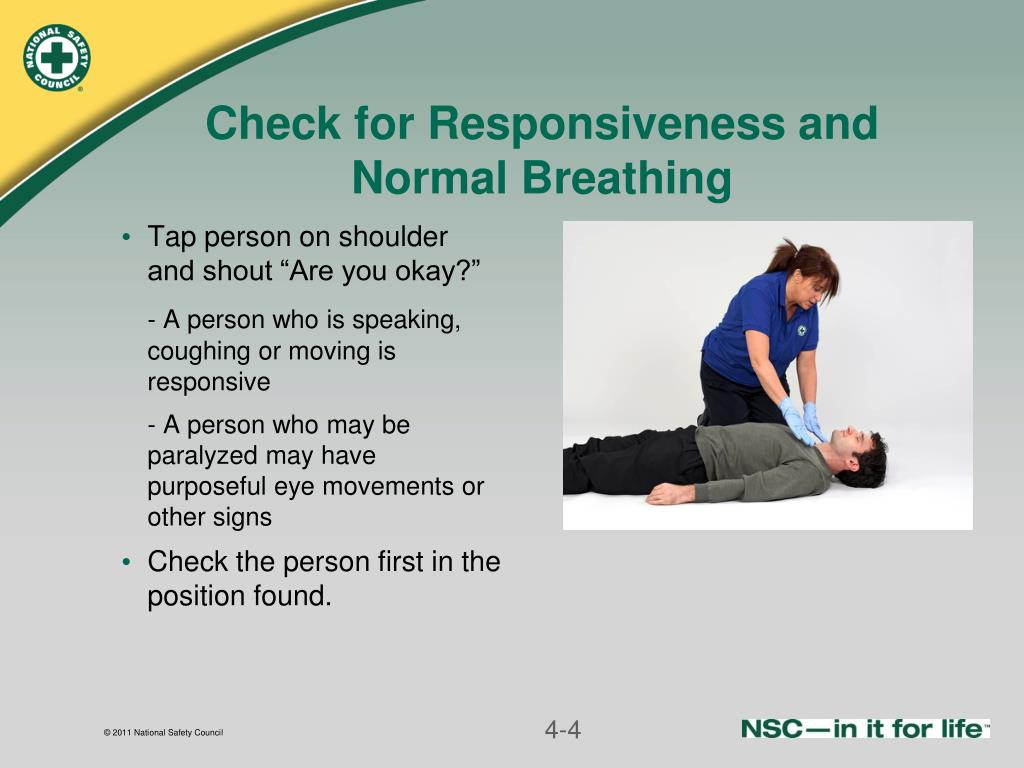
So, if your tapping and shaking haven’t worked, try a clear, loud command. "Can you open your eyes?" or "Squeeze my hand!" This is not just random yelling; it's a deliberate attempt to elicit a specific response. You’re giving them something concrete to do.
If they respond to this loud command, even with a minimal effort, it tells you a lot. It means they can process what you’re saying and attempt to act on it. It’s like when you’re trying to teach your dog a new trick, and you use a clear, enthusiastic command. When they finally get it right, it’s a moment of pure triumph (for both of you!).
If, however, they remain completely unresponsive to loud commands, even while you’re practically shouting in their ear, that’s a pretty strong indicator that their level of consciousness is significantly reduced. It’s like trying to get your cat to do your taxes. You can ask all you want, but you’re probably not getting any cooperation. In this scenario, it’s definitely time to consider your next steps, which likely involve dialing for help.
What If They're Groaning, But Not Talking?
This is a common scenario, and it’s important to know how to interpret it. Groaning, moaning, or making other vocalizations often means that the person is still conscious, but they might be in pain, disoriented, or unable to speak clearly. Think of it like trying to talk with your mouth full of marshmallows; you can make sounds, but it’s not exactly articulate speech.
If they are making sounds, that’s a good thing! It means their brain is sending signals to their vocal cords. You can try to encourage them to communicate further. "Can you nod your head if you understand?" or "Can you squeeze my hand if you're in pain?" You’re trying to give them a simpler way to respond.
It’s like when you’re trying to understand what your toddler is babbling about. You can’t always decipher the words, but you can often tell from their tone if they’re happy, upset, or just really excited about a rogue crumb on the floor. The sound itself tells you something.
If their groans are constant and seem to indicate significant pain, or if they can’t follow even simple instructions like nodding, you still need to be cautious. Their responsiveness might be present, but it’s clearly impaired. This is a situation where getting medical advice is still a very good idea.
Putting It All Together: The "So What Do I Do Now?" Moment
So, you’ve gone through the steps. You’ve asked, you’ve tapped, you might have even done a gentle shake. What’s the verdict? It boils down to a few key questions:
- Did they respond at all? Even a flicker of the eyes, a sigh, or a mumbled word counts.
- What kind of response did they give? Were they alert and conversational? Or were they confused and disoriented?
- Are they making sounds or movements? Is there any sign of life?
If the person is fully responsive, chatting away, maybe even complaining about the rude person who kept tapping them, then great! You’ve done your good deed. You can help them up, offer some water, and maybe even hear their theory on why dill pickle and maple syrup chips would be a hit. (Spoiler: they’re right.)
If they respond to loud shouts or painful stimuli (like a pinch, which you should only do as a last resort and very, very gently, not like you’re trying to get them to yelp in a comedy skit), but are otherwise not interacting much, they are considered to have some level of responsiveness. This means they’re not completely unconscious, but they’re definitely not operating at full capacity. In this case, it’s still wise to get them checked out, even if they seem to be recovering. Think of it like a phone that’s been dropped and cracked – it still works, but you’re not sure when it might give up the ghost.
If they do not respond to any of your attempts to wake them – not to your voice, not to your touch, not even to loud shouts – then this is a serious situation. This is the "remote control with dead batteries" scenario. You need to call for professional medical help immediately. Don't delay. Don't wait to see if they "snap out of it." It's better to be safe than to regret not acting sooner. It's like seeing a "low battery" warning on your phone and ignoring it until it completely dies during a crucial call. We don't want that!
Assessing responsiveness isn't about being a hero; it's about being prepared and knowing the basic steps to take. It’s about being a good neighbor, a good friend, and a good human being. So, the next time you see someone who looks like they might need a gentle nudge back into awareness, you'll know exactly what to do. And who knows, you might just prevent a situation from becoming a full-blown drama, and maybe, just maybe, get to taste those dill pickle and maple syrup chips after all.