
How Big Does A Olive Tree Grow

Hey there, fellow garden enthusiast! So, you're eyeing up an olive tree, huh? Wise choice! These guys are not just about delicious olives and pretty silver-green leaves; they're practically ancient wisdom keepers of the plant world. But before you go envisioning a tiny potted sapling that will forever stay politely miniature, let's get real about how big these Mediterranean beauties can actually get. It’s a bit like asking, “How much does a puppy grow?” Well, it depends on the breed, right? Olive trees are kind of similar, with a few juicy twists!
So, the million-dollar question: how big does an olive tree grow? The short answer, and I know you love short answers, is… it varies! Seriously, it’s not a one-size-fits-all situation. Think of it like dating – some olive trees are happy to be compact, while others are total show-offs, reaching for the sky like they’ve got a secret rendezvous with a cloud. But don't let that scare you! We're talking about generally manageable sizes for most home gardeners, with a few exceptions that might require a bit more… enthusiasm.
Let's break it down. On average, a mature, unpruned olive tree can reach heights of anywhere from 20 to 30 feet (about 6 to 9 meters). Yep, that’s taller than your average garden shed. Some of the really old, wild ones out there? Oh, honey, they can get massive. We're talking 40 feet, 50 feet, even taller! These are the ancient giants that have seen centuries roll by, probably witnessed a Roman chariot race or two. Imagine the stories they could tell! But for your typical garden scenario, especially if you’re keeping it in a pot or giving it a bit of a trim, it's going to be a lot more… intimate.
The "It Depends" Factor: What's Really Going On?
Okay, so we've established there's no single answer. But what factors influence how big your little olive friend will get? It's like a recipe for tree-dom!
First up, we have genetics. Just like some dog breeds are naturally huskier than others, some olive tree varieties are just built to be bigger. You've got your dwarf varieties (yes, they exist!), which might only get to about 10-15 feet, making them perfect for smaller spaces or even patios. Then you have the 'standard' varieties, which are your happy medium. And then… well, then you have the ones that seem to have a secret ambition to be the tallest tree on the block. So, when you’re picking out your olive tree, do a little digging (pun intended!) into the specific variety you're eyeing. The nursery tag is your friend!
Next, let's talk about pruning. This is your magic wand, your secret weapon, your tree's personal stylist. An olive tree that’s regularly pruned will stay a lot more contained. Think of it like a haircut. You can let your hair grow wild and free, or you can keep it trimmed for a neater, more manageable look. Pruning not only controls the size but also encourages fruit production and keeps the tree healthy. Skipping the prune? Well, prepare for a potential tree that might start eyeing your upstairs windows. Don’t say I didn’t warn you!
Then there’s the environment. This is a biggie! Olive trees adore sunshine. Like, really adore it. They are sun worshippers, pure and simple. In their native Mediterranean climate, they get loads of it, and that sunshine fuels their growth. So, if you're planting your olive tree in a nice, sunny spot, you're basically giving it the green light to grow to its full potential. Shady corners? Not so much. They’ll survive, but they won't exactly be a towering testament to arboreal ambition. They'll be more like a shy, compact wallflower. And who wants a shy olive tree?
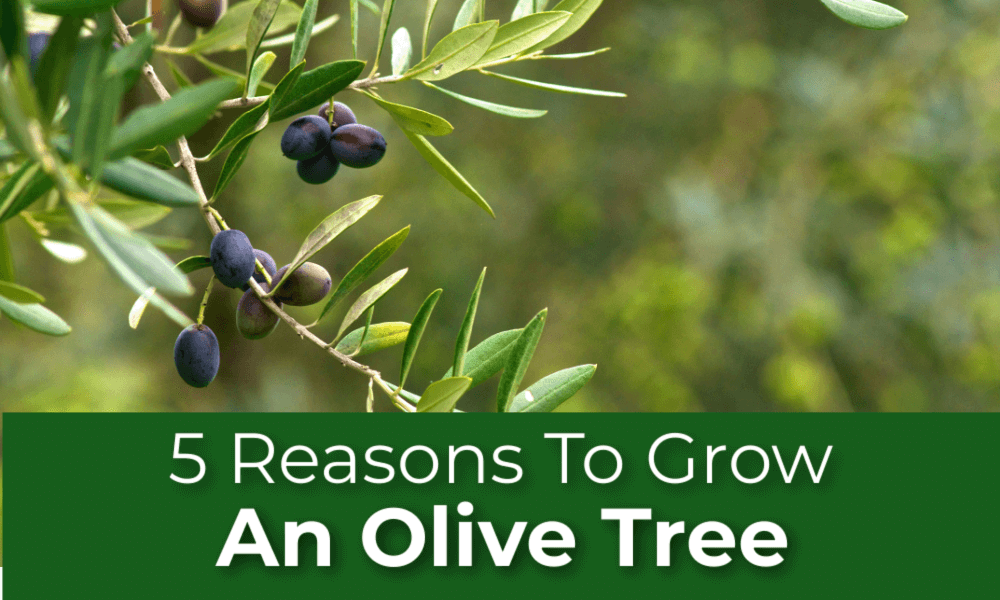
Soil and water play a role too, naturally. Olive trees aren't fussy eaters, but they do like well-draining soil. Soggy roots are a big no-no; they’re like olive tree swamp monsters. Give them good drainage and adequate water (but not too much – remember, they’re not water lilies!), and they'll be happy campers. Healthy trees grow bigger, simple as that. It’s like feeding a puppy good food – you want them to grow up strong!
The "Pot vs. Ground" Dilemma: Where Does Your Olive Tree Live?
This is a crucial point, and it’s where things get really interesting. The biggest difference in size you’ll often see is between an olive tree planted in the ground versus one happily chilling in a pot.
A potted olive tree is inherently limited. Its roots can only spread so far within the confines of its ceramic or terracotta prison. This naturally keeps its size in check. Think of it as a permanent spa retreat where they don't let you overindulge! A well-maintained potted olive tree can be kept at a very manageable size, often no taller than 6-10 feet, and sometimes even less. They become like a beautiful, living sculpture. Perfect for a balcony, patio, or even indoors in a bright spot (though they'll love being outside in the warmer months!).
Now, plant that same tree in the ground, especially in a climate that’s kind to it, and BAM! All bets are off. The roots have the freedom to explore, to stretch, to really settle in. This freedom allows the tree to access more nutrients and water, fueling significantly more growth. So, if you’ve got an olive tree in the ground in a sunny, well-drained spot, you're looking at the potential for that 20-30 foot behemoth. It's the difference between a polite house guest and a king surveying his domain!

What About Those "Dwarf" Varieties? Are They Just Lying?
Nope, they’re not lying! Dwarf olive trees are a thing, and they’re a fantastic option if you’re worried about your olive tree taking over your garden. These are often specific cultivars that are naturally slower-growing and tend to stay more compact. They might look a little less “tree-like” when young, more like a shrub, but with age and a bit of shaping, they can still develop that lovely olive tree character. They're like the mini-schnauzers of the olive tree world – small but mighty in personality!
Even with dwarf varieties, though, pruning is still your best friend for maintaining their size. Think of it as encouraging them to be the best small version of themselves. You might prune them to create a more rounded shape or even to train them as a sort of living hedge. The possibilities are surprisingly fun!
Let's Talk Pruning: Your Secret to Control!
I’ve mentioned pruning a few times, and for good reason. It’s the unsung hero of olive tree size management. If you want to keep your olive tree from becoming a colossal, limb-dropping jungle resident, you need to prune it.
When should you prune? Generally, late winter or early spring, before the new growth really kicks in, is the best time. This is when the tree is dormant, and you’re less likely to shock it. Plus, you can see the structure of the tree more clearly without all the leaves.
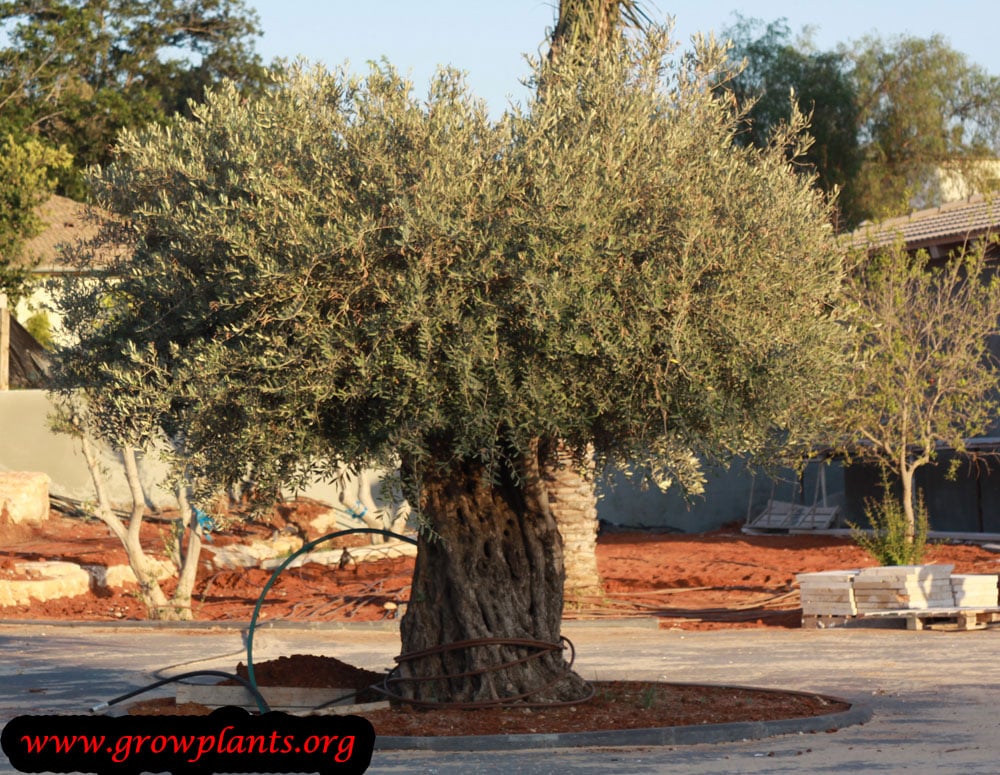
What should you prune? Anything that’s dead, diseased, or damaged. Suckers that are growing from the base of the tree. Branches that are crossing and rubbing against each other. And, of course, anything that’s getting too long or is in the wrong place for the shape you’re aiming for. If you want to encourage it to be bushier, prune back longer branches. If you want a more upright, single-trunked tree, prune off the lower branches and any competing leaders.
Don’t be afraid to get in there! Olive trees are remarkably resilient. They bounce back from pruning like a seasoned pro. Think of it as a gentle reminder of their place in your garden. A little snipping here and there can make a world of difference. It's like giving your tree a stylish haircut that keeps it looking its best and prevents it from getting too… out of control.
The "Ancient Olive Tree" Phenomenon: A Different Beast!
Okay, so let's talk about those truly magnificent, ancient olive trees you see in pictures. These are often found in the Mediterranean region, where they’ve been cultivated for thousands of years. These are not your average garden specimens. They’ve had centuries to grow, spread, and develop those gnarled, character-filled trunks.
These giants can be incredibly wide, with massive canopies that provide ample shade. Their heights can be staggering, truly reaching towards the heavens. These are trees that have witnessed history, survived wars, and endured countless seasons. They are living monuments. You won’t be growing one of these in your backyard in a single lifetime, but it’s lovely to appreciate them, isn’t it?
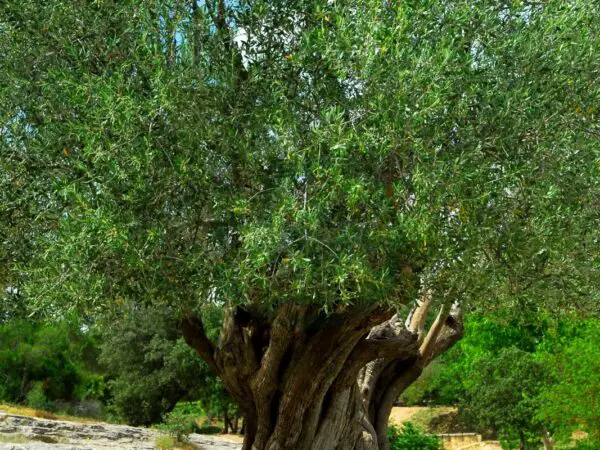
When you see these ancient trees, remember they haven't been pruned into submission. They've been allowed to grow, to age, and to become legends. They are a testament to the tree's inherent longevity and potential for grandiosity.
So, How Big Will My Olive Tree Get?
Alright, let’s bring it back to you and your olive tree dreams. If you've got a potted dwarf variety and you prune it occasionally, you're probably looking at a delightful, manageable tree that might reach 8-12 feet at the absolute max, and likely stay smaller. It'll be a charming accent piece.
If you have a standard variety planted in the ground in a sunny spot, and you don't prune it much, then yes, you could easily be looking at a tree in the 20-30 foot range. It will become a significant feature in your garden, providing shade and, with luck, delicious olives!
The key takeaway is this: you have a lot of control! Whether you want a petite patio companion or a more substantial garden statement, you can influence your olive tree's size with the variety you choose, where you plant it, and how you prune it. It's a collaboration, really. You're not just growing a tree; you're co-creating a living work of art.
And honestly, that’s the beauty of it. Olive trees are so forgiving and so rewarding. They bring a touch of Mediterranean magic to our gardens, with their shimmering leaves and the promise of future harvests. Whether it stays a polite shrub or grows into a majestic presence, your olive tree is going to bring a little extra sunshine and a whole lot of charm into your life. So, go forth and grow, my friend! And enjoy every single leaf, every single branch, and yes, every single little olive it might one day grace you with. Happy gardening!