
Found A Dog What Do I Do
Finding a lost dog can be quite the adventure, and honestly, a little bit of a mystery! It's one of those unexpected moments that can bring a mix of excitement and a touch of "uh oh, now what?" into your day. But don't worry, navigating this situation is something most of us can handle, and it's a fantastic opportunity to be a good Samaritan. Whether you're a seasoned animal lover or someone who just stumbled upon a furry friend in need, understanding the basic steps is incredibly useful.
For beginners, this guide is all about demystifying the process. You'll learn the immediate, practical steps to take that are safe and effective, giving you the confidence to help. Families can see this as a teachable moment for children, instilling values of compassion and responsibility. Imagine the joy of reuniting a lost pup with its worried owner – a real-life superhero moment for everyone involved! For those who might be interested in animal welfare as a hobby or even a future career, understanding lost pet protocols is a foundational skill.
The "found dog" scenario can have many variations. You might find a scared, timid dog hiding under a bush, or a super friendly, tail-wagging pup trotting down the street. Sometimes, they might have a collar and tags, making the reunion process much quicker. Other times, they might be completely unaccompanied and seem a bit lost. Each situation requires a slightly different approach, but the core principles remain the same: safety first, and help find their home.
Getting started is simpler than you might think. First and foremost, approach the dog calmly and gently. Don't chase a scared dog; try to entice them with a soft voice and perhaps some food if you have any handy. Once you've safely secured the dog (perhaps by opening your car door if they seem friendly, or by using a leash if they're wearing one), the next crucial step is to check for identification. Look for a collar with tags. If there are tags, call the number immediately. If there's no collar or tags, or if the number is out of service, it's time to broaden your search.
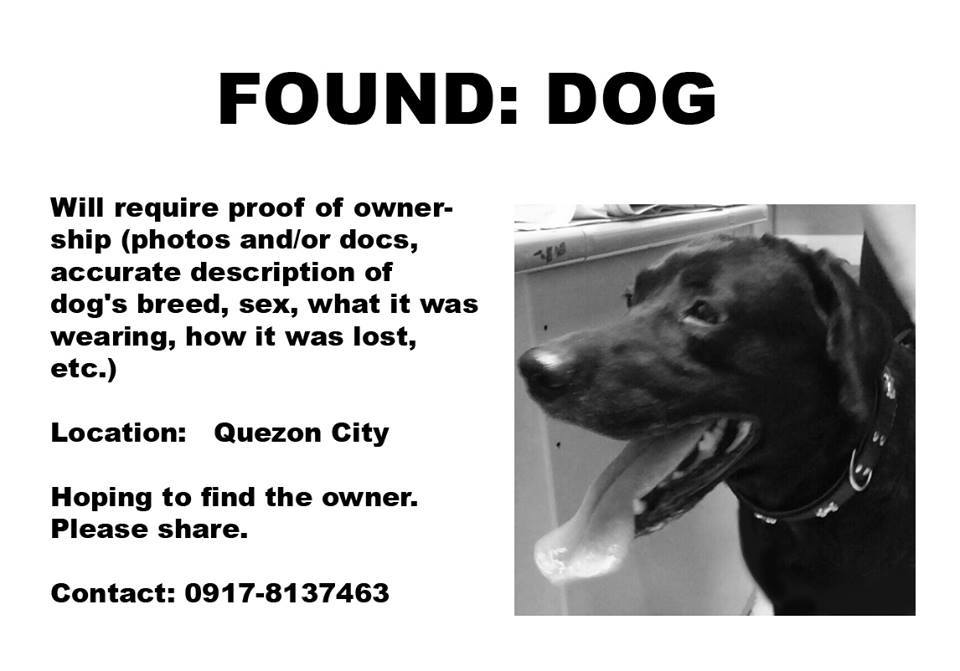
A great next step is to take the dog to a local veterinarian clinic or animal shelter. They can scan for a microchip, which is a tiny device implanted under the skin that contains the owner's contact information. While you wait for potential owners to be found, keep the dog in a safe, quiet, and comfortable space. If you can't take the dog in, or while you're waiting for next steps, posting on local social media groups (like Facebook lost and found pet pages) and community notice boards can be incredibly effective. Include a clear photo and a general description of where the dog was found, but don't give away all the details – this helps to verify the true owner when they contact you.
Ultimately, finding a lost dog and helping them get back home is an incredibly rewarding experience. It’s a chance to make a real difference in an animal's life and to connect with your community. The satisfaction of seeing a happy reunion is a feeling that lasts, proving that a little bit of kindness can go a long, long way.