
Customer Service Stress Levels: Correct Response Scenarios
Ah, customer service. Just the phrase alone can conjure up images, right? Maybe it’s the hero behind the counter, deftly handling a queue longer than a Monday morning to-do list. Or perhaps it’s you, on the phone, trying to explain to a robot that no, your internet isn't working, even after you've "unplugged it and plugged it back in." It's a universal dance, a tango between expectation and reality, often with a live soundtrack of escalating stress levels.
Let's be honest, whether you're serving or being served, customer service can feel like trying to fold a fitted sheet – messy, confusing, and you're never quite sure if you've done it right. But what if we could approach those moments of high tension with a bit more grace, a dash of humor, and a whole lot of strategic calm? Think of it as your customer service zen master guide, but with more anecdotes and fewer actual gurus.
The Wild West of Human Interaction: Why Stress Happens
Imagine, if you will, the customer service arena. It’s a place where diverse personalities, differing expectations, and often, technology that decides to take a vacation at the worst possible moment, collide. It's less a smooth highway and more a bumper car rally, with everyone just trying to get to their destination in one piece.
Stress isn't just a byproduct; sometimes it feels like a primary ingredient. For the customer, it could be the sheer frustration of a product not working, a service failing, or simply the feeling of being unheard. For the service professional, it's the pressure of solving a problem they didn't create, often under time constraints, while being the emotional punching bag for someone else's bad day.
It’s like being a tightrope walker, except the tightrope is made of spaghetti, you're juggling flaming torches, and someone below is shouting "Do a flip!" But fear not, brave soul! We're here to equip you with some mental gymnastics to keep your balance.
Scenario 1: The "Boiling Kettle" Customer – When Frustration Bubbles Over
The Sizzle and Pop of Anger
You know this customer. They walk in (or call, or chat) already at a five-alarm fire stage. Their voice is tight, their words clipped, and their energy alone could power a small city. They're not just upset about this issue; they're upset about everything that led up to it, probably including the slow driver on their commute and the coffee machine running out of oat milk. They’re a boiling kettle, steam escaping from every vent, and you're about to be the unsuspecting tea bag.
Your gut reaction might be to brace for impact, or worse, to match their energy. "Oh, you want to shout? I can shout too!" But that’s like trying to put out a fire with gasoline. Not recommended.
The Velvet Glove Approach: Cooling the Flames
The correct response here is the Velvet Glove approach. Imagine you're defusing a bomb, but instead of wire cutters, you're using soothing words and genuine empathy. First, listen actively. Let them vent. Don't interrupt, don't formulate your rebuttal in your head. Just absorb.
Then, validate their feelings. "I can absolutely hear how frustrating this must be for you." or "It sounds like you've had a really difficult time with this, and I apologize for the inconvenience." This isn't agreeing with their anger; it's acknowledging their emotional state. It's like gently taking a runaway shopping cart and slowly guiding it back to safety. You're not saying the cart is right to be runaway, just that you understand its current trajectory.
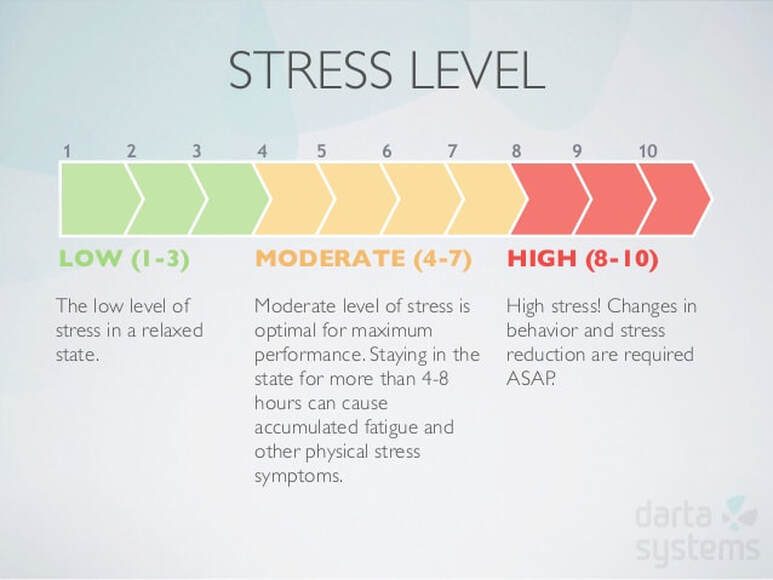
Once the steam starts to dissipate – and it will, once they feel heard – then you can gently pivot to problem-solving. "Let's see what we can do to make this right." This shift from confrontation to collaboration is key. You're no longer an adversary; you're a partner. And who yells at their partner (well, usually not in a problem-solving context)?
Scenario 2: The "Lost Puppy" Customer – Adrift in a Sea of Confusion
The Blinking, Bewildered Look
This customer isn't angry; they're just utterly, completely, adorably lost. They've probably clicked "yes" to things they didn't understand, tried to fix something with a butter knife, and now their digital life is in shambles. They're like a puppy who’s wandered off the leash at the park – not malicious, just bewildered and in need of a gentle hand.
The incorrect response? Speaking in jargon. Explaining things at hyperspeed. Making them feel even dumber than they already feel (which, let’s be honest, is probably pretty dumb at this point). If you start talking about "cached data" and "DNS servers," their eyes will glaze over faster than a donut on a Sunday morning.
The GPS Navigator Approach: Guiding Them Home
Here, you need to be their personal GPS Navigator. Your job is to provide clear, step-by-step guidance, with the patience of a saint teaching a cat to fetch. "Okay, let's take this one step at a time. First, can you tell me what you see on your screen right now?"
Break down complex instructions into tiny, digestible chunks. Use simple language. Confirm each step before moving on. "Great! Now, do you see a little button that says 'Settings'?" And then wait for their confirmation. It’s like giving directions to someone who's never driven before – you don't just say "Head north," you say "Turn left at the big red building, then go straight until you see a green sign."
Reassure them throughout the process. "No worries at all, this can be tricky!" or "It's totally understandable to be confused by this." Empathy isn't just for anger; it's for confusion too. This approach builds confidence, both theirs in your guidance, and yours in your ability to patiently lead them out of the digital wilderness.
Scenario 3: The "Demanding Dictator" Customer – Royal Decrees and Unreasonable Requests
The "I Demand to Speak to the Manager" Anthem
This customer arrives with a list of demands, often unrealistic, and a certainty that they are right and everyone else is wrong. They might ask for a refund for a service they clearly used, or an upgrade that doesn't exist, or even try to negotiate prices like they're haggling for spices in a faraway bazaar. They're the customer equivalent of a toddler demanding ice cream for breakfast – with the conviction of a seasoned lawyer.
The wrong move is to immediately give in (if it's truly unreasonable and against policy) or to get into a shouting match. Neither option serves anyone. Caving sets a bad precedent; fighting escalates tension.
The Firm but Fair Negotiator: Setting Boundaries with Grace
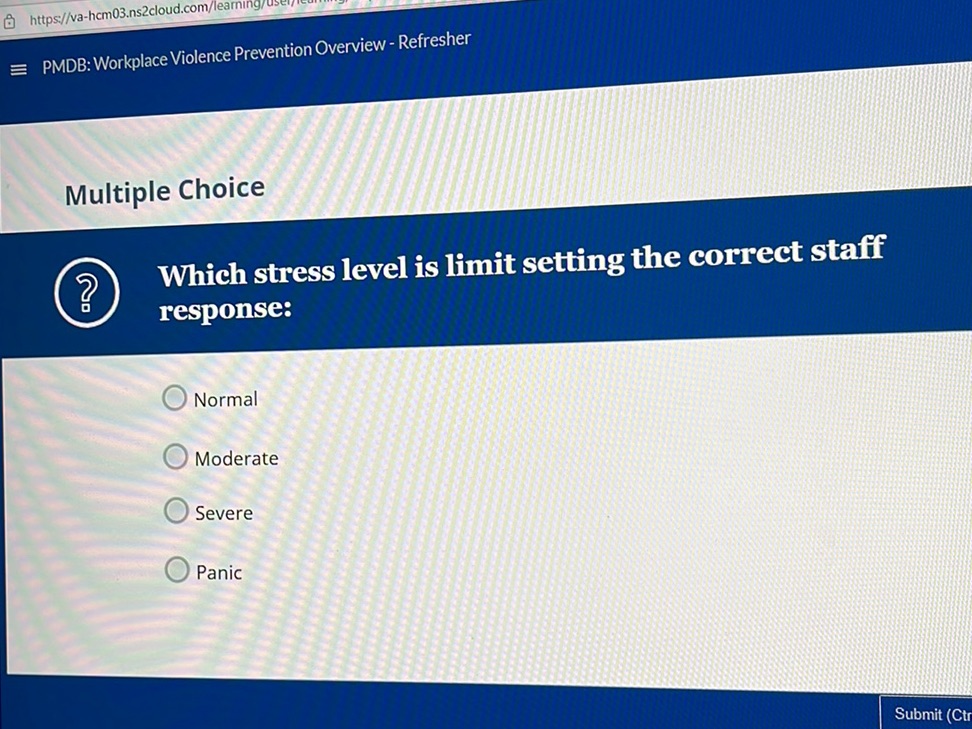
Your role here is the Firm but Fair Negotiator. You need to politely, yet assertively, set boundaries. The key is to explain what you can do, rather than dwelling on what you can't.
If they demand a discount for something not covered by policy, you might say, "I understand you're looking for a discount, and while our current policy doesn't allow for that in this situation, what I can offer you is..." Then, pivot to a viable alternative. Maybe it's a future credit, a free accessory, or a detailed explanation of why the policy is in place.
It’s like telling a child they can’t have candy before dinner, but you can offer them a delicious apple. The boundary is firm, but you're still offering value within those parameters. Use phrases like, "I wish I could do that for you, but unfortunately, my hands are tied by company policy. What I can do is..." This shows you’re on their side, even when you can’t grant their specific request.
Scenario 4: The "Tech Troubleshooter" Customer (Who Isn't One) – The Self-Proclaimed Expert
"I Already Tried That, and It Didn't Work!"
This customer is convinced they've done every troubleshooting step known to humankind, probably invented a few new ones, and now they're here for you to wave a magic wand. "I reset my router!" they declare, only for you to discover "reset" meant unplugging it for half a second. They’re like a DIY enthusiast who watched one YouTube video and now thinks they're ready to rebuild an engine.
The incorrect response is to assume their initial diagnosis is correct or to skip basic troubleshooting steps. You might think, "Oh, they said they reset it, so I won't ask them to do it again." Big mistake. Huge.
The Detective Work Approach: Trust, But Verify
Become a Detective. Your job is to gather evidence, gently. Even if they claim to have done something, ask them to do it again, with you. "Okay, I understand you've tried resetting it. Just so we're absolutely on the same page, could we walk through that together once more, step by step? Sometimes a fresh pair of eyes can spot something."
This isn't about calling them a liar; it’s about ensuring consistency and thoroughness. It's the equivalent of a doctor asking about your symptoms even if you’ve self-diagnosed yourself with a rare tropical disease. They need to hear it from you, in their own structured way. Be patient, be thorough, and remember the golden rule of IT: "Have you tried turning it off and on again?" It's a cliché for a reason – it works, often because people think they did it, but didn't quite do it right.
Scenario 5: The "Silent Scream" Customer – Online Frustration in Pixels
The ALL CAPS or The Emotionless Block of Text
In the digital age, much of our customer service happens through chat, email, or social media. This customer might not be yelling vocally, but their frustration oozes through the screen – often in ALL CAPS, excessive punctuation, or a cold, impersonal tone that screams annoyance. They're like a passive-aggressive roommate leaving a note on the fridge instead of talking to you directly.
The wrong move is to respond with equally impersonal, canned responses. Copy-pasting a template when someone is clearly fuming (even silently) is like trying to put out a fire with a single tear – utterly ineffective and potentially insulting.
The Empathy Text Approach: Injecting Humanity into the Digital
For the "Silent Scream" customer, you need the Empathy Text approach. Your goal is to inject human warmth and understanding into the cold, hard pixels. Start by using their name, and acknowledge their written frustration. "Hi [Customer Name], I can see from your message that you're very upset about [issue]. I completely understand how frustrating it is when [restate issue]."

Then, offer solutions clearly and concisely. If the issue is complex, offer to switch to a more personal interaction. "This sounds like it might be easier to resolve over the phone. Would you be open to a quick call to walk through this together?" Sometimes, just the offer to connect on a more human level can de-escalate the tension. Show them a human is on the other side, not just a chatbot having a bad day.
Keeping Your Own Kettle from Boiling: Self-Care for the Service Pro
Dealing with these scenarios day in and day out can take a toll. You're constantly managing other people's emotions, solving their problems, and generally being a superhero without a cape (unless your uniform counts). It’s like being a professional stress sponge, soaking up everyone else's worries.
So, what’s your correct response scenario for your own stress levels? It's about proactive self-care. Take those micro-breaks. Step away from the screen or the phone for a minute. Do some deep breathing – it’s not just for yoga gurus, it’s genuinely helpful!
Remember that most of the time, the customer's anger isn't personal; it's directed at the situation or the company, and you just happen to be the messenger. Don't let their bad day become your bad day. Have a laugh with a colleague, vent (appropriately, of course), or simply remind yourself that you're doing a tough job well. You're a rockstar, even if your audience is occasionally throwing metaphorical tomatoes.
The Grand Finale: Smiling Through the Mayhem
Customer service is a wild ride. It's full of twists, turns, and unexpected detours. But by understanding the different types of stress-filled scenarios and arming yourself with these 'correct responses,' you're not just surviving; you're thriving. You're turning potentially disastrous interactions into manageable ones, and maybe, just maybe, even turning a frown upside down.
So, next time you're faced with a customer service challenge, remember your velvet glove, your GPS, your firm-but-fair negotiator hat, your detective magnifying glass, and your empathetic keyboard. You've got this. And who knows? You might even make someone's day a little bit better, including your own. Now, go forth and conquer that customer service jungle, one smile and nod at a time!