
Can I Put Dye On Wet Hair

Ever found yourself staring at a box of vibrant hair dye, your heart set on a dramatic new look, only to realize… your hair is still a little damp from your last shower? We've all been there! The question of whether you can slap that glorious color onto wet strands is a common one, and for good reason. It’s a little bit of a hair mystery, a practical dilemma that can make or break your DIY hair color dreams. But fear not, fellow color adventurers! We're about to dive into the wonderful, sometimes surprising, world of dyeing wet hair. It's more than just a quick fix; understanding this can unlock a whole new level of control and creativity for your at-home hair transformations. Plus, who doesn't love a good hair hack that saves time and potentially messy situations?
The Wet Hair Dyeing Debate: Unpacking the Pros and Cons
So, can you actually put dye on wet hair? The short answer is: yes, you can, but it’s not always the ideal scenario. Let’s break down why people even consider this and what the benefits might be, along with the potential pitfalls.
One of the main reasons people ponder dyeing wet hair is convenience. We live busy lives, and sometimes squeezing in a hair dyeing session feels like a logistical puzzle. If you've just washed your hair and the thought of waiting for it to dry completely before applying color feels like an eternity, the temptation to go straight for the dye is strong. It can feel like a time-saver, allowing you to multitask or simply get the coloring process done sooner rather than later.
Another perceived benefit is that some people believe wet hair can lead to a more even color distribution. The idea is that the water acts as a lubricant, allowing the dye to spread more easily and penetrate the hair shaft uniformly. This can be particularly appealing if you’ve struggled with patchy color application in the past. For certain types of hair, especially those that are very porous or prone to absorbing color unevenly, a slightly damp environment might feel like it’s setting you up for success.
Furthermore, some users report that dyeing on wet hair can result in a less harsh application. The thinking here is that the water dilutes the dye slightly, making it gentler on the scalp and hair. This could be a consideration for individuals with sensitive scalps or those who are worried about the drying effects of some hair color formulas. It’s a subtle difference, but for some, it translates to a more comfortable coloring experience.
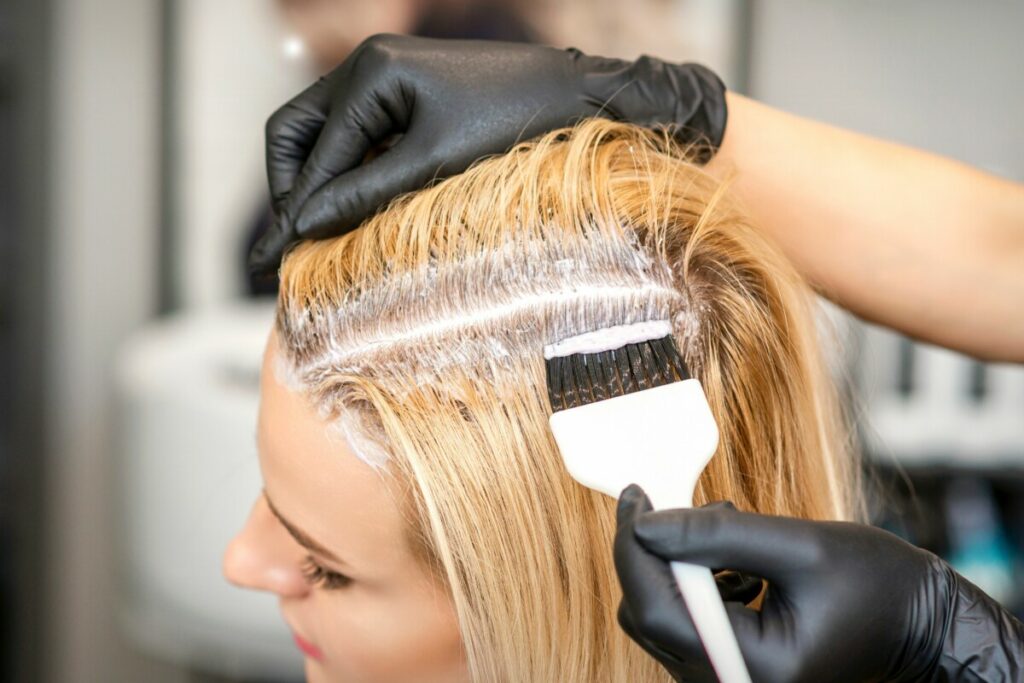
However, it’s crucial to acknowledge that dyeing wet hair also comes with its own set of challenges. The most significant concern is color intensity and vibrancy. Water is a diluent, and when you introduce dye to wet hair, you're essentially diluting the color before it even has a chance to fully bond with your hair. This can lead to a significantly lighter, less impactful shade than what you see on the box. If you’re aiming for a bold, rich, or dark color, dyeing on wet hair is likely to result in disappointment. The pigment simply doesn't have the concentrated power it needs to achieve those dramatic results.
Another common issue is uneven saturation and missed spots. While some believe wet hair helps with evenness, the opposite can also be true. Wet hair can be more prone to clumping, and the dye might not spread as effectively into every single strand. This can leave you with streaks of color or even entire sections of hair that remain uncolored, leading to a frustrating and often unfixable patchy appearance. Imagine spending time and money on a color only to find you missed a chunk of hair near your nape – it’s a common DIY dye disaster.
There's also the question of dye longevity. When the color isn't able to penetrate the hair shaft as deeply or as intensely due to the presence of water, it’s more likely to fade faster. This means you might find yourself needing to touch up your color more frequently, which can be costly and time-consuming in the long run. The vibrant shade you achieve initially might be short-lived, leaving you back at square one sooner than you'd like.
The general consensus among hair professionals and dye manufacturers is that applying hair color to dry, unwashed hair is the gold standard. This allows your natural scalp oils to act as a protective barrier, reducing irritation and helping the color adhere properly. Plus, dry hair ensures the full potency of the dye is working to achieve the desired shade.
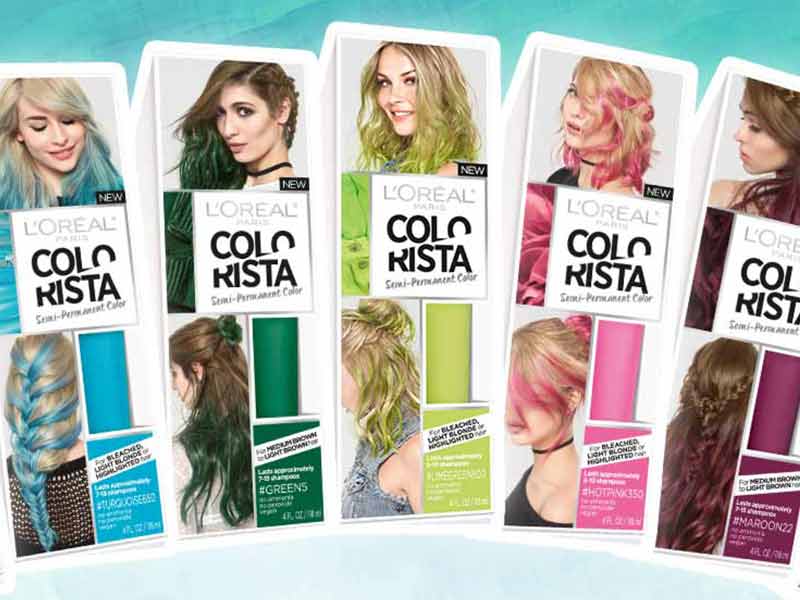
So, if the ideal is dry hair, what’s the verdict on wet hair? It really depends on the type of color product you’re using and the effect you’re trying to achieve. For instance, if you’re using a semi-permanent or temporary color, the impact of water might be less dramatic than with a permanent dye. Semi-permanent colors often sit on the surface of the hair, and while they can still be affected by water, they’re generally less prone to drastic dilution compared to permanent dyes that chemically alter the hair shaft.
Some coloring techniques or products are even designed to be used on wet hair. Think of certain rinses, toners, or even some fashion colors that are formulated to be more forgiving. These products might be less sensitive to moisture and can still deliver a decent result. However, for that rich, full-coverage permanent color, it’s generally best to stick to the dry hair rule.
If you absolutely must dye your hair when it’s a bit damp, consider this: aim for barely damp rather than soaking wet. Towel-dry your hair thoroughly until it’s not dripping, but still feels cool to the touch. This might offer a slight compromise, potentially allowing for a bit more color saturation than if it were completely saturated with water, while still offering some of the perceived benefits of a slightly damp application. But remember, it’s still a compromise, and you might need to adjust your expectations regarding the final shade and longevity.
Ultimately, the decision to dye wet hair is a personal one, with potential benefits in terms of convenience and perceived evenness, but significant risks to color intensity, saturation, and longevity. For the most reliable and vibrant results, especially with permanent color, always aim for dry hair. But if you’re feeling adventurous with a temporary color or have specific reasons for wanting to try it on damp hair, proceed with caution and manage your expectations. Happy coloring!