
Can Cats Eat Sardines In Tomato Sauce

Oh, the eternal question that tickles our feline-loving hearts and occasionally raises an eyebrow over our kitchen counters: can our whiskered overlords indulge in the tangy delights of sardines in tomato sauce? It’s a query that floats around the internet, whispered between curious pet parents, and often accompanied by the hopeful glint in a cat’s eye as they eye up that can. We’ve all been there, haven’t we? That moment of delicious indecision, a pang of guilt mixed with a desire to spoil our furry companions rotten.
Let’s dive into this culinary conundrum with the grace and casual curiosity of a cat exploring a new sunbeam. We're not talking about a Michelin-starred meal here, but rather the everyday joys of sharing a little something special. Think of it as a culinary adventure for your cat, a tiny taste of human life without the accompanying existential dread of choosing Netflix.
The Lowdown on Sardines: A Cat's Perspective
First off, let's address the star of the show: sardines. These little silver swimmers are tiny powerhouses of nutrition. Packed with omega-3 fatty acids, they’re fantastic for a cat’s coat, keeping it glossy and less prone to those annoying shedding crises we all know and (sort of) love. They're also a good source of protein and calcium, essential building blocks for those agile leaps and stealthy midnight patrols.
Now, when we talk about sardines, we’re generally referring to the canned variety. And within that realm, we often find them swimming in various liquids. But the real question is: what about that tomato sauce? This is where things get a little… saucy.
Tomatoes: A Mixed Bag for Felines
Tomatoes, in their ripe, red glory, are generally considered safe for cats in small quantities. However, it’s the unripe parts of the tomato plant – the leaves, stems, and green fruit – that contain a substance called solanine, which can be toxic to cats. Thankfully, the fleshy part of a ripe tomato, the part that usually makes it into a sauce, is much lower in solanine. So, a little bit of cooked ripe tomato shouldn't send your cat into a feline frenzy of illness.
But here's the crucial caveat, the tiny asterisk that looms larger than a Persian cat surveying its kingdom: added ingredients. Many commercially prepared tomato sauces contain ingredients that are either unnecessary or, in some cases, potentially harmful to cats. Think onions, garlic, and excessive salt. These are the real villains in our sardine-in-tomato-sauce narrative.
The Verdict: A Cautious Yes, with a Side of Scrutiny
So, can cats eat sardines in tomato sauce? The answer, like a cat’s mood, is nuanced. Generally, yes, in very small amounts, provided the sauce is plain and free from harmful additives.
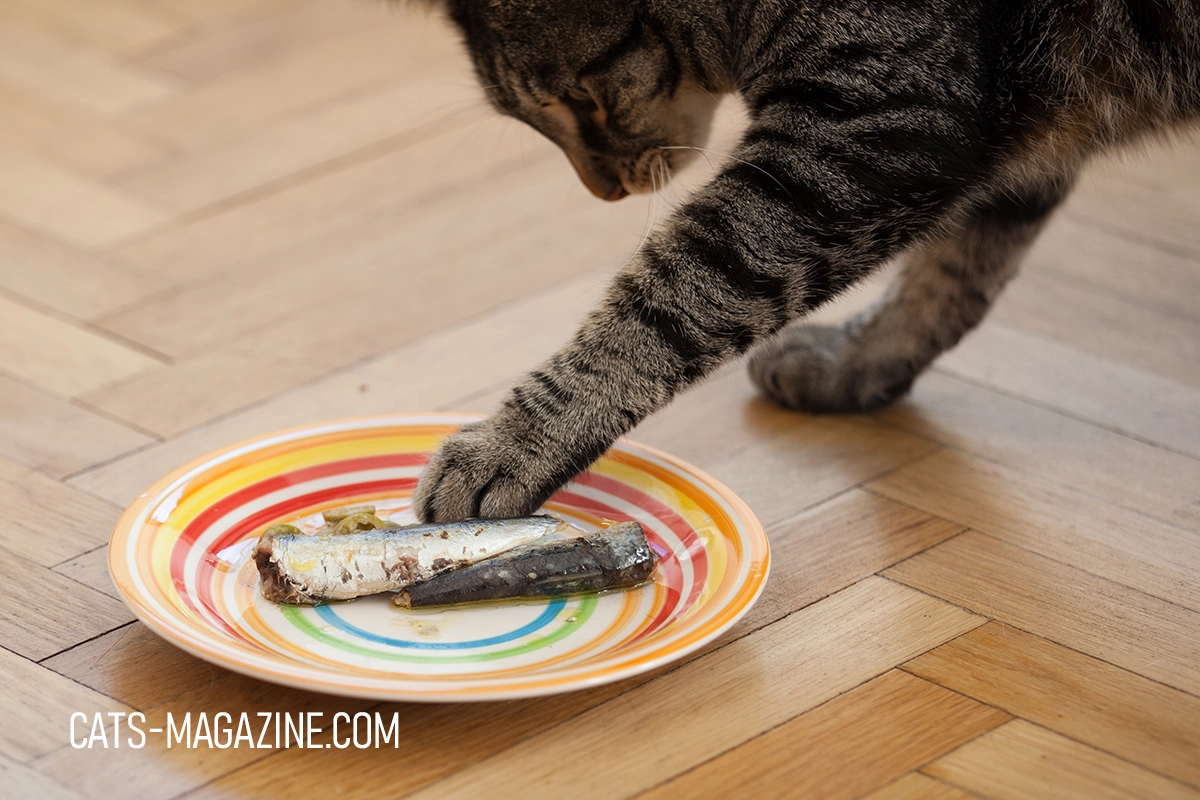
The key phrase here is plain. We're talking about a sauce that's primarily tomato-based, with minimal added salt, sugar, or spices. Ideally, the fewer ingredients, the better. Imagine a cat’s sensitive digestive system. They’re not built to process the complex flavour profiles and preservatives that we humans often enjoy. Their systems are geared towards simpler, protein-rich diets.
Think of it this way: if you were to offer your cat a tiny sliver of your perfectly seasoned spaghetti bolognese, you’d probably do so with a healthy dose of caution. The same logic applies here, just on a smaller, fishier scale.
What to Look for (and What to Avoid)
When you’re eyeing up that can, play detective. Read the ingredient list. Here’s your checklist:
- Sardines: Look for sardines packed in water or plain oil (like olive oil, which is generally safe in moderation).
- Tomato Sauce: The simpler, the better. Ideally, ingredients like "tomatoes," "water," and maybe a touch of salt (though less is always more).
- The Red Flags: Steer clear if you see ingredients like "onion powder," "garlic powder," "spices," "sugar," or artificial flavourings and preservatives. These are the no-gos.
If the ingredient list looks like a chemistry experiment, it's best to admire the can from afar and find a safer treat for your furry friend.
The "How Much Is Too Much?" Question
Even with the "all-clear" ingredients, moderation is king. Sardines, while nutritious, are also oily and rich. A little goes a long way. Think of it as a treat, a special occasion indulgence, not a daily staple. A small flake or two, perhaps once or twice a week at most, is a reasonable amount.

Overfeeding any rich food can lead to digestive upset, including vomiting and diarrhea. And nobody wants to deal with a sick kitty, especially when the culprit is something as seemingly innocuous as a tasty fish treat. It’s like your cat suddenly developing a penchant for binge-watching reality TV – a little bit is entertaining, a lot can be detrimental.
Introducing New Foods: The Gentle Approach
If you've found a suitable can and are ready to offer a tiny taste, do so gradually. Start with a minuscule amount, just a tiny morsel. Observe your cat for any adverse reactions over the next 24 hours. Are they acting normal? Is their digestion on point? If all systems are go, you can offer slightly more on their next treat occasion.
This is particularly important for kittens or cats with sensitive stomachs. Their systems are still developing or might be more prone to issues. Think of it as their first foray into the complex world of human cuisine – they need to ease into it, not be thrown into the deep end of a sardine-filled pool.
Cultural Nuances and Feline Fancies
Interestingly, the concept of feeding fish to cats isn’t new. In many cultures, fish has been a traditional part of a cat's diet. Think of coastal communities where stray cats might have feasted on discarded fish scraps. It’s a primal instinct, a connection to their wild ancestry. However, modern cats, especially those living pampered lives indoors, have different dietary needs than their more adventurous ancestors.

And let's not forget the sheer variety of canned fish available. While sardines are popular, you might also find anchovies (again, watch the salt!), mackerel, and tuna. Each has its own nutritional profile and potential pitfalls. It's a whole aquatic buffet of choices, requiring careful consideration.
Cats are often depicted as discerning creatures, and in many ways, they are. They might snub a perfectly good kibble one day and then become utterly obsessed with a dust bunny the next. So, while you might offer a sardine treat, there’s no guarantee your cat will even deign to sniff it. They might look at you with utter disdain, as if you’ve offered them a bowl of lukewarm tap water when they clearly requested artisanal bottled spring water. It’s all part of the charm, isn’t it?
The "Why" Behind the Want
What is it about sardines that captivates our felines? It’s likely the strong, fishy aroma and the rich, oily texture. Cats have a highly developed sense of smell, and that pungent fishiness is a siren song to their predatory instincts. It’s a direct link to their hunter heritage, even if their biggest hunt involves chasing a laser pointer dot.
The omega-3s also play a role. While we benefit from them for our hearts and brains, cats use them for similar purposes, plus the added bonus of that glorious, lustrous coat. It’s like a natural beauty supplement, delivered in a tiny, fishy package.
Alternatives for the Cautious Cat Parent
If the tomato sauce element still makes you nervous, or you just can’t find a suitable plain variety, there are always other excellent options:
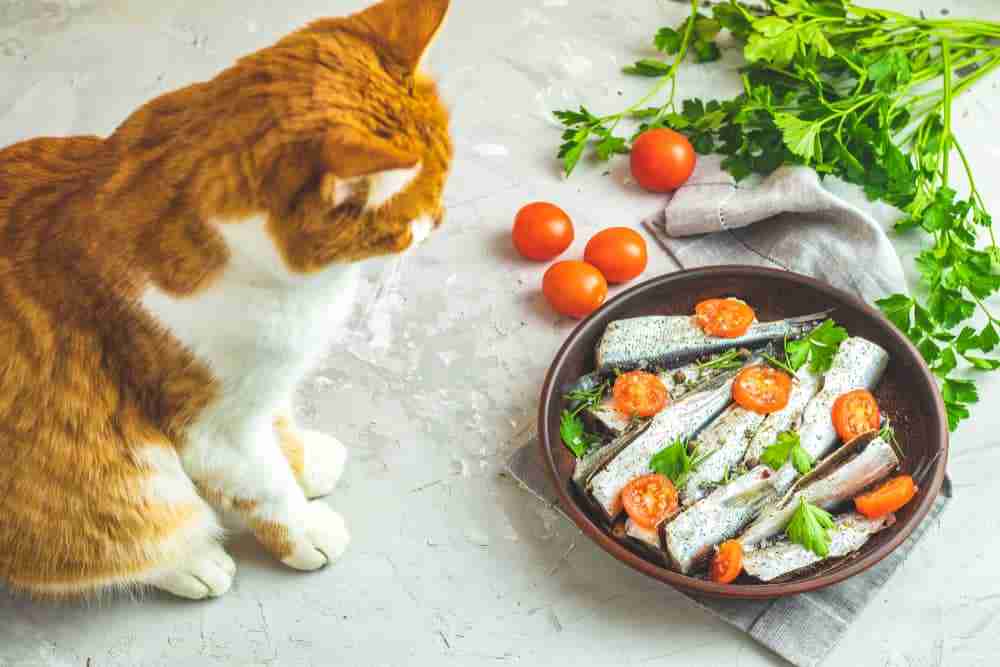
- Plain Sardines in Water: This is your safest bet. Look for brands that explicitly state "packed in water" with no added salt or preservatives.
- Cooked Fish (Unseasoned): Small pieces of plain, cooked white fish like cod or salmon (ensure no bones) can be a healthy treat.
- Commercial Cat Treats: There’s a vast array of fish-flavoured cat treats available, formulated to be safe and nutritionally balanced.
- Specialized Cat Food Additives: Some pet food companies offer fish oil supplements or other omega-3 additions that can be mixed into their regular food.
The goal is to provide your cat with enjoyable and beneficial treats without compromising their health. It’s a delicate balancing act, much like trying to get your cat to pose for a photo without them immediately running away.
The Sprinkling of Fun
A fun little fact: cats are obligate carnivores, meaning their diet must consist of meat. While they can digest and derive nutrients from other sources, meat is their primary and most essential food group. So, offering them a bit of fish is right in line with their evolutionary makeup.
Imagine your cat, the tiny tiger, enjoying a small, savory morsel. It’s a moment of connection, a shared experience that transcends the usual kibble routine. It’s about adding a little bit of spice (or, in this case, fishy tang) to their lives, and by extension, to ours.
A Final Paw-nderation
Ultimately, the decision of whether to offer sardines in tomato sauce to your cat rests on your shoulders, armed with knowledge and a healthy dose of common sense. If you can find a truly plain, additive-free option and offer it sparingly, it can be a delightful treat for your feline friend. It’s about being a responsible pet parent, making informed choices, and understanding that even the most exotic-sounding treats require careful vetting.
In the grand scheme of things, life is full of small joys. For our cats, these might be a new toy, a warm lap, or a forbidden taste of something deliciously different. And for us, it’s the quiet satisfaction of seeing them happy and healthy, their tails held high, their purrs rumbling like tiny, contented engines. So, the next time you're contemplating that can of sardines, remember to read the label, offer with love, and always, always prioritize your cat's well-being. After all, they’re not just pets; they’re family, and they deserve the best, even if it’s just a tiny, fishy bite of happiness.