
Can A Tree Die Of Old Age
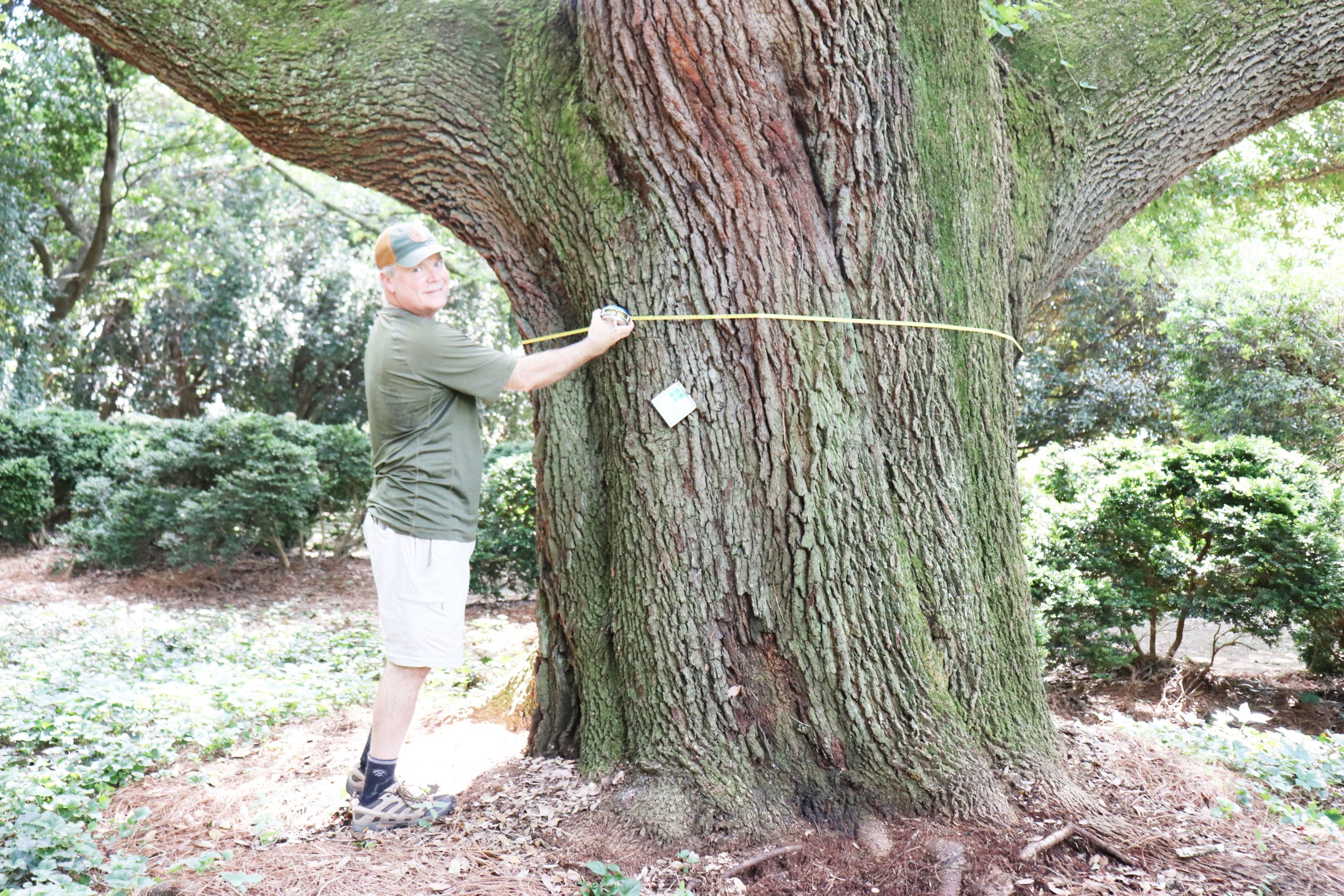
We all love trees, right? They give us shade on hot days, make our neighborhoods look pretty, and are basically the lungs of our planet. But have you ever stopped to think if these leafy giants can, well, get a bit tired and just… call it a day? Like, can a tree actually die of old age?
It's a question that tickles the imagination, isn't it? Imagine an ancient oak, stooped and wise, finally deciding it's had enough of standing tall and just… poof! Gone. But the reality is a little more complex, and surprisingly, a whole lot more interesting than a simple "yes" or "no."
Think about it this way: we humans have a pretty clear idea of when we're getting old. Our knees creak, our hair turns white, and suddenly that five-minute walk feels like a marathon. Trees, however, don't exactly have knees to creak or hair to whiten.
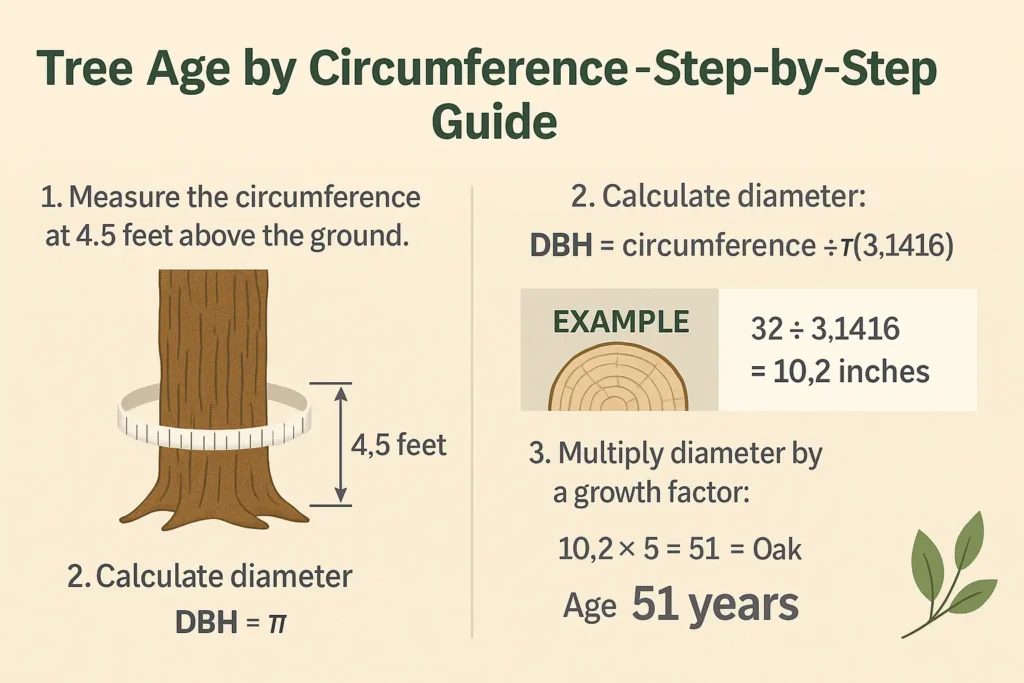
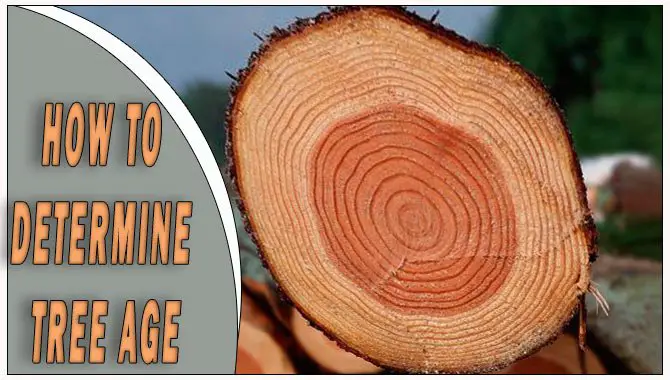
So, how do we even begin to talk about a tree's "old age"? It's not like they have a birth certificate tucked away in their bark. But botanists, those amazing folks who study plants, have figured out some pretty neat ways to tell.
One of the ways is by looking at how big a tree gets. Some trees, like the majestic Sequoias in California, can live for thousands of years. That’s older than most of the countries in the world! Imagine having your great-great-great-great… well, you get the idea… grandchildren all living at the same time, and your tree has seen it all.
But here’s the funny thing: while a tree might not die of "old age" in the way we do, they certainly have lifespans. It's more like a very, very, very long life that eventually winds down. They don't suddenly keel over one morning because they've reached a certain number of birthdays.
Instead, what usually happens is that the tree gets weaker over time. It’s like an old car that’s run for a million miles. It still runs, but it might sputter a bit, need more oil, and eventually, it just can’t keep going.
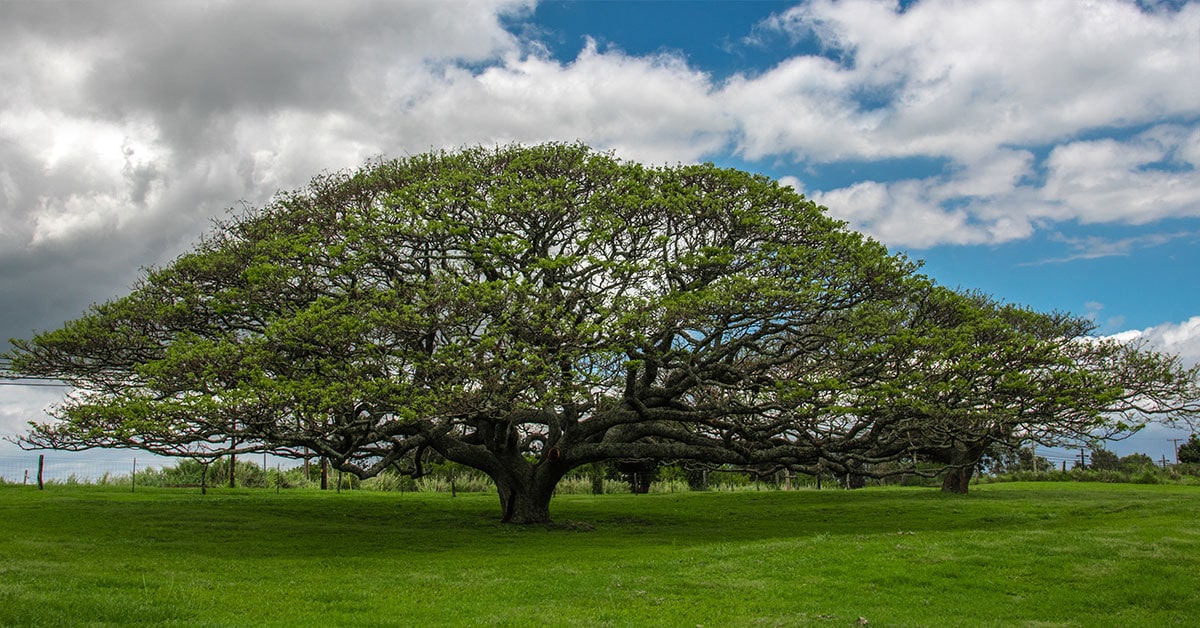
One of the first signs that a tree is getting on in years is that it stops growing as vigorously. You know how young trees shoot up like enthusiastic teenagers? Well, older trees might still grow, but it’s more like a gentle stretch than a full-blown growth spurt.
Their branches might start to get a bit sparse. The leaves might not be as lush and green as they used to be. It’s like an elderly person’s hair thinning a bit or their eyesight not being as sharp.
And then there’s the issue of pests and diseases. Young, strong trees can usually fight off little invaders pretty well. But an older tree, with its defenses a little worn down, becomes an easier target. It’s like a seasoned warrior who’s fought many battles and is now a bit more vulnerable.
Think of a particularly grumpy old tree. It’s seen it all: harsh winters, scorching summers, maybe even a squirrel with a vendetta. It’s built up a lot of character, but also a lot of… well, tree-weariness.
What’s really heartwarming, though, is that even when a tree is very old, it can still be incredibly important. It might provide shelter for a whole community of creatures. Birds build nests in its branches, insects find homes in its nooks and crannies, and fungi might even be making friends with its roots.

It's a whole ecosystem living on and around this venerable old soul. The tree is like a grand old inn, still serving its purpose even as it gets a little creaky. It’s a testament to the enduring power and generosity of nature.
So, while a tree might not fill out a pension form, it absolutely can reach the end of its natural life due to the wear and tear of centuries. It's not a dramatic, sudden death, but a slow fading. A gentle conclusion to a very, very long and productive life.
And when that time does come, the tree doesn't just vanish. It often becomes a snag, a standing dead tree. This snag is still a vital part of the forest, providing habitat for woodpeckers and other creatures that love to peck and burrow.
Eventually, it will fall, becoming a nurse log. This decomposing log is a nursery for new life. Tiny seedlings sprout from its decaying wood, nourished by its slow return to the earth.
It's a beautiful cycle, isn't it? The tree’s life doesn't truly end; it just transforms. From a towering presence to a resting place, and then to a source of new beginnings.
Perhaps the most famous example of an incredibly old tree is the Great Basin Bristlecone Pine. These tough characters live in harsh, windswept environments and can survive for thousands of years. They look a bit like wise old wizards, gnarled and ancient, with their woody skin telling tales of ages past.
Imagine standing next to a tree that was alive when the pyramids were being built! It boggles the mind. These trees have witnessed empires rise and fall, seen the landscape change, and felt the passage of countless seasons.
So, can a tree die of old age? The answer is a wonderfully nuanced "yes." It's not a sudden shutdown, but a gradual decline due to the accumulation of stresses and the natural processes of aging that make it more susceptible to its environment.
It's a humbling thought, really. We humans worry so much about our own lifespans, our own aging. But here are these incredible beings, living for millennia, quietly observing the world and contributing to it in ways we can only marvel at.
Next time you walk past an old, majestic tree, take a moment. Imagine the stories it could tell. Imagine the resilience it embodies. And know that even if it’s a little bit tired from all its years, it’s a testament to the incredible endurance and beauty of life itself.
It’s not about a tree suddenly dropping its leaves and saying, “That’s it, I’m out!” It’s more like a gradual winding down. A slow, dignified farewell to a life lived to its fullest, for hundreds or even thousands of years.
So, the next time you hug a tree (and who doesn't love a good tree hug?), give a little extra love to the older ones. They’ve earned it. They are the wise elders of our natural world, and their lives are a profound lesson in persistence, grace, and the beautiful cycle of life and death.
It's a kind of immortality, in a way. Not living forever, but becoming part of something larger, something that continues to nurture and sustain the world long after the original form has faded.
And that, my friends, is a pretty awesome way to go, don't you think? Even if it takes a few thousand years to get there.