
Calories In Half A Bottle Of Red Wine
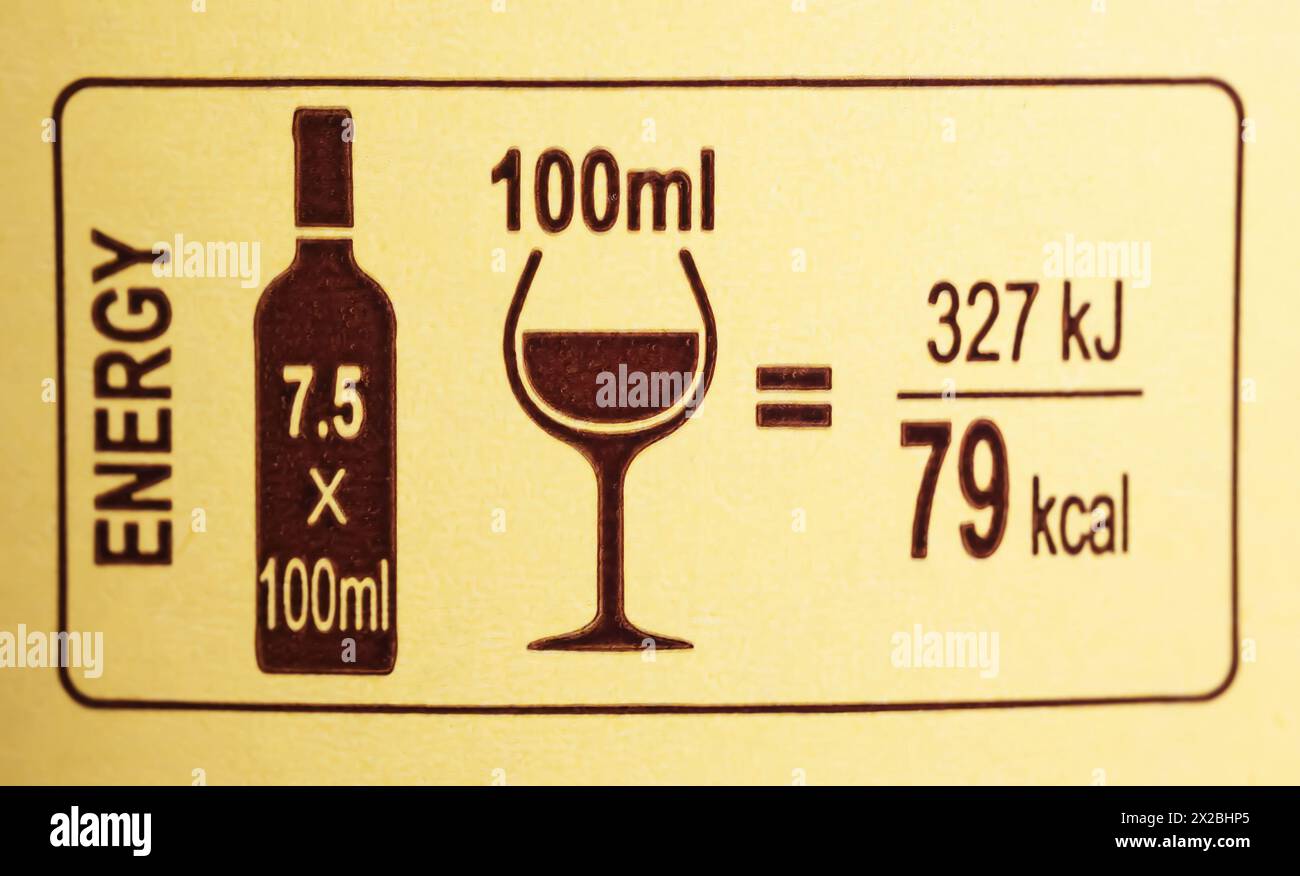
So, you've found yourself with a lovely bottle of red wine, maybe after a long day or during a cozy evening in. And perhaps, just perhaps, you've only managed to get through about half of it. Totally normal, right? We've all been there. Now, a little voice might whisper, "Hey, what about the calories in all that deliciousness?" It's a fair question, and honestly, it's kind of interesting to peek behind the curtain, isn't it?
Let's be honest, most of us aren't pouring a glass of wine with a calculator in hand. We're enjoying the aroma, the taste, the way it seems to just relax us. But a bit of curiosity about what's actually in our favorite tipple is totally healthy, and frankly, a little bit fun to explore. It’s like wondering how many sparkles are in a champagne bottle, or what makes that dark chocolate so rich.
First off, let's talk about the "half a bottle" part. A standard wine bottle is typically 750 milliliters (ml). So, half a bottle is a neat 375 ml. That’s a good chunk of wine, right? Enough for a decent glass or two, depending on how generous your pour is. And in that generous portion, there are indeed calories to consider. But don't let that word scare you!
So, What's the Big Number?
Okay, here's the juicy bit. The calorie count in half a bottle of red wine can vary, but we can give you a pretty good ballpark figure. Generally, you're looking at somewhere between 250 to 350 calories for 375 ml of red wine. Think of it as a range, like the subtle differences between a Pinot Noir and a Cabernet Sauvignon. It's not a hard and fast rule, but it's a solid estimate.
Why the range, you ask? Great question! Several factors play a role. It's not just magic. The alcohol content (ABV – Alcohol By Volume) is a big one. The higher the alcohol, the more calories. Also, the amount of residual sugar left in the wine after fermentation makes a difference. Drier wines generally have fewer calories than sweeter ones. So, a light, fruity Beaujolais might be at the lower end, while a richer, more robust Zinfandel could be creeping up there.

Let's Break It Down: Alcohol vs. Sugar
It's fascinating how alcohol itself contributes to calories. For every gram of alcohol, there are about 7 calories. That's pretty dense! For comparison, a gram of fat has 9 calories, and a gram of carbohydrate (like in a cracker or a piece of fruit) has 4 calories. So, alcohol is a significant contributor, almost on par with fat. Who knew your favorite fermented grape juice was packing such a punch?
And then there's that touch of sweetness. Even in a "dry" red wine, there's a tiny bit of natural sugar left over from the grapes. It's what gives the wine its complexity and mouthfeel. So, a wine that tastes a bit sweeter will usually have a few more calories from that residual sugar. It’s like the difference between a plain Greek yogurt and one with a swirl of honey – both are good, but one has that extra sweet boost (and calories!).
Fun Comparisons to Keep You Hooked!
Now, let's put that 250-350 calorie range into perspective. What else in your day offers a similar calorie count? This is where it gets fun and maybe a little eye-opening!

Imagine you're munching on some nuts. Half a cup of almonds, for example, can be around 300-350 calories. So, that half bottle of red wine? It's roughly equivalent to a good handful of almonds. Pretty comparable, right? Both are enjoyable treats, but they come with their own calorie packages.
Or think about your favorite sweet treat. A standard chocolate bar might hover around 200-250 calories. So, half a bottle of wine could be like enjoying a slightly larger or richer chocolate bar. It's a different kind of indulgence, for sure, but the calorie numbers aren't worlds apart.
What about something a bit more savory? A medium-sized burger can easily clock in at 300-400 calories, depending on the toppings and bun. So, your half bottle of wine is in the same ballpark as a decent burger. Suddenly, that glass of red doesn't seem so "heavy" when you think about other common food items.

Let's get a bit healthier with it. How many apples would you need to eat to match those calories? A medium apple is usually around 80-100 calories. So, half a bottle of wine could be like eating 3 to 4 medium apples. It's a tasty way to think about it – are you feeling like a refreshing crunch or a warming sip?
And what about a more typical beverage? A large latte from your favorite coffee shop, especially with whole milk and flavored syrups, can easily hit 300-400 calories. So, your half bottle of wine might even be a lower calorie option than that fancy coffee drink you grab on a Tuesday morning!
It's All About Moderation and Enjoyment
Ultimately, understanding the calories in your wine isn't about deprivation; it's about awareness and making informed choices that align with your goals and your enjoyment. It's about appreciating that wine, like many other enjoyable things in life, contributes to your daily intake.

The key takeaway here isn't to stress about every sip. It's to know that your delightful half bottle of red wine is a treat that offers enjoyment, relaxation, and yes, a certain number of calories. It’s similar to how a beautiful sunset is a visual treat, but it doesn't offer any nutritional value.
So, next time you find yourself with a half-empty bottle of your favorite red, you can sip it with a little extra knowledge and a smile. You’re not just enjoying a drink; you're participating in a delicious, complex process that has been around for centuries. And knowing its calorie count? That’s just a cool little bonus fact to impress your friends with at your next wine night!
Remember, wine is meant to be savored. Whether it’s a full bottle or just a taste, focus on the experience, the company, and the sheer pleasure of it. The calories are just a part of the story, not the whole story. Cheers to that!