
Best Way To Get Rid Of Moss In A Lawn

Okay, so, you're looking at your lawn, right? And instead of that lush, green carpet you were dreaming of, you've got… well, you've got more like a fuzzy, green bathmat situation happening. Yep, I'm talking about moss. That persistent little green menace that seems to thrive in all the wrong places, doesn't it?
It's like, you water it, you mow it, you give it all your love and attention, and what does it give you back? A spongy, slippery, can't-even-walk-barefoot-on-it kind of situation. Ugh. We've all been there, staring at those damp, shady spots where the grass just… gives up. And then the moss waltzes in, like it owns the place.
So, how do we evict this unwanted tenant and get our beautiful lawn back? Don't worry, you're not alone in this battle. We're going to tackle this together, like a couple of lawn superheroes, armed with coffee and maybe a little bit of elbow grease. Ready to dive in?
First Things First: Why Is It Even There?
Before we grab the metaphorical pitchforks, let's get a little detective-y. Understanding why the moss has moved in is half the battle, right? It's not just a random act of nature, oh no. Moss loves certain conditions. And if your lawn is giving it a five-star hotel experience, well, it's not going to leave anytime soon.
Think about it. Does your lawn get a lot of shade? Like, a lot a lot? Is it always a bit damp, even when you haven't watered it? Does the soil seem super compacted, like it's had a hard day’s work and just wants to stay put?
If you answered "yes" to any of those, then congratulations! You've found the moss's happy place. Moss isn't actually a weed, you know. It’s a bryophyte. Fancy word, right? It doesn't have roots like grass. Instead, it has tiny little structures called rhizoids that grip onto surfaces. And it doesn't need soil to survive, just moisture and shade. So, it’s like the ultimate opportunistic little green… thing.
Low nutrient levels in the soil can also be a big attractor. Grass needs food to be healthy and strong, right? If it’s starving, it’s going to struggle, and that leaves an open invitation for the moss to move in and take over. It's a sad story, really. Grass versus moss. Who will win?
So, identifying the root cause – or rather, the lack of a healthy root system for your grass – is crucial. It's like trying to fix a leaky faucet without knowing where the drip is coming from. You'll be splashing around forever!
The Usual Suspects: Shade, Moisture, and Compacted Soil
Let's break down these culprits a bit more. Shade is a biggie. If you have trees or buildings casting long shadows for most of the day, the grass is going to struggle to get enough sunlight. Grass is basically a sun-worshipper, you know? It needs its rays to photosynthesize and be all green and glorious.
Moisture is its best friend. If your lawn stays wet for too long, especially after rain or watering, it creates that perfect damp environment. Think of it as the moss's personal spa. And let's be honest, who wouldn't want a spa day? Apparently, moss does.
Compacted soil is like a traffic jam for your grass's roots. When the soil is hard and dense, it's tough for water and air to penetrate. This means your grass can't breathe or drink properly. And when your grass is struggling, the moss sees its chance. It’s a jungle out there, and only the strong (or the well-suited for damp shade) survive!
So, keep an eye on those conditions. Are you watering too much? Is your drainage a bit… well, questionable? Are you walking all over the same spots constantly, squishing the life out of the soil?
Operation: Moss Eviction - The Gentle Approach (First Steps!)
Alright, so we know why it's there. Now, how do we get it out? We're going to start with the gentler methods, because who likes a good fight, right? Unless it's a fight against moss, then maybe we embrace it a little.
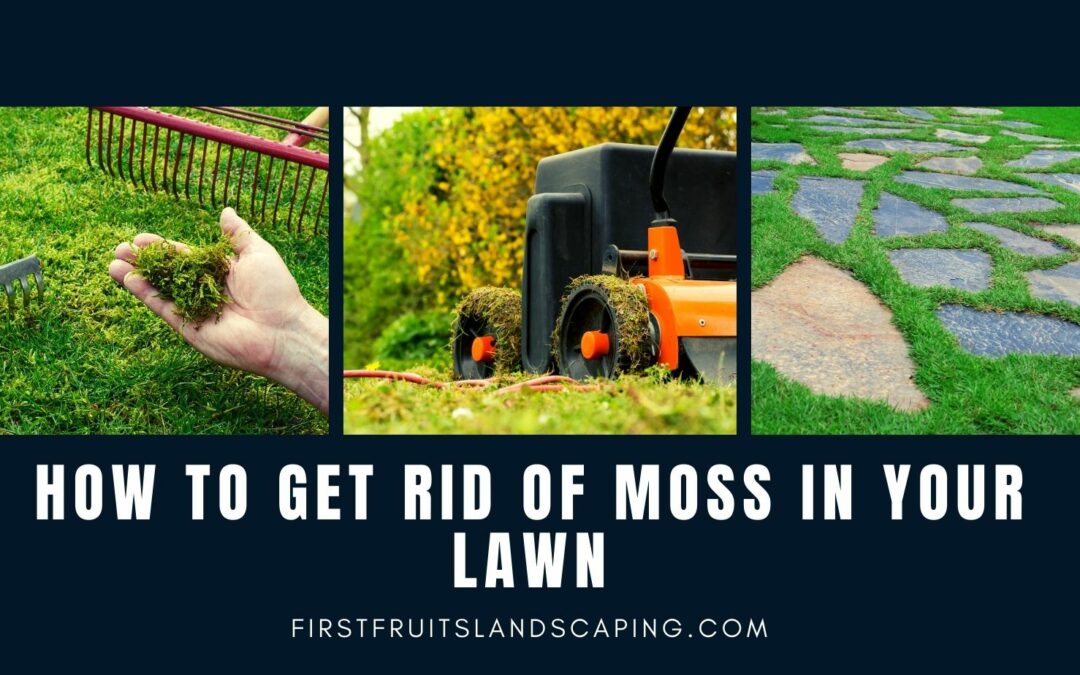
The first thing you can try is just a good old-fashioned raking. Grab a stiff-bristled rake, or even a wire rake if you're feeling brave, and go at it. You want to really dig in and scrape out as much of that moss as you can. It’s not the most glamorous job, I'll give you that. It’s a bit like giving a hairy beast a vigorous brushing.
Do this when the moss is dry, if possible. It's a bit easier to get out when it's not so soggy. You might need to do this a few times, especially in heavily infested areas. Don't be shy! The more you get out now, the less of a problem it will be later.
As you're raking, you might notice it’s easier to pull up clumps. That's good! That means you're actually removing it, not just rearranging it. Think of it as a deep clean for your lawn. It’s going to look a bit rough afterwards, like it’s been through the wringer, but that’s okay. We’re fixing it.
Now, here's a tip: collect all that moss you rake up and compost it away from your lawn. You don't want any lingering spores to just jump back on, do you? We're aiming for a clean break here. A definite, no-looking-back kind of break.
Aeration: Giving Your Lawn Some Breathing Room
Remember that compacted soil we talked about? This is where we tackle it. Aeration is your best friend here. It's basically poking holes in your lawn, which sounds a bit brutal, but trust me, your grass will thank you.
You can rent an aerator, or if you've got a small lawn, you can use a garden fork. Just push it into the ground and wiggle it around to loosen the soil. If you're using a machine, it'll pull out little plugs of soil, which is even better. Those plugs break down and add nutrients back into your lawn.
Aerating helps water, air, and nutrients get down to the grass roots. This is exactly what your grass needs to thrive and outcompete the moss. It's like giving your lawn a nice, deep breath. Ahhhh, fresh air!
Do this in the spring or fall, when your grass is actively growing. You want to give it the best chance to recover and grow into those newly opened spaces. You can aerate before or after you've raked out the moss, depending on what feels easiest for you. Some people like to rake first, then aerate to break up any remaining moss. Others do the opposite.
The key is to loosen that soil. It's like opening up a clogged drain. Suddenly, everything can flow freely again. And a healthy, flowing lawn is much harder for moss to invade.
The More Direct Approach: Moss Killers (Use with Caution!)
Okay, so raking and aerating are great for the long-term health of your lawn, but sometimes, you just want to see that moss gone, like, yesterday. That's when we bring out the big guns, but we gotta be careful, okay? We don't want to accidentally turn our lovely green lawn into a crispy brown wasteland.
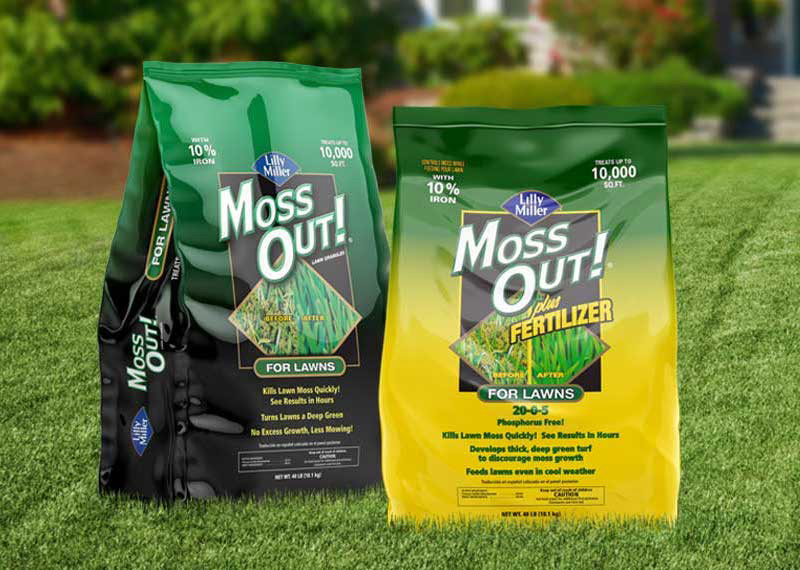
There are several products designed to kill moss. The most common active ingredients you'll find are iron sulfate (sometimes called ferrous sulfate) and quaternary ammonium compounds (like diquat or glyphosate, though some are more geared towards broadleaf weeds). Iron sulfate is a popular choice because it's generally considered safer for your grass, and it actually adds iron to your soil, which can be beneficial.
When you use these products, you'll typically see the moss turn black or brown within a few days. It’s a bit dramatic, but it’s a sign that it’s working. Then, just like after raking, you’ll need to rake out the dead moss. Don't leave it there to rot and potentially spread spores.
Important note: Always read and follow the instructions on the product label very carefully. Seriously, don't skip this step. These chemicals can be harmful if misused. Wear gloves, protect your eyes, and be mindful of pets and children. You don't want to end up with a lawn that’s moss-free but also… human-free, right?
Also, consider the timing. It's generally best to apply moss killers when the moss is actively growing, which is often in cooler, damp periods like spring and fall. Avoid applying them in hot, dry weather, as this can stress your grass and make it more susceptible to damage.

DIY Moss Removal: A More Natural Way?
For those of you who are trying to go a bit more natural, there are a few DIY options. They might not be as powerful as commercial products, but they can be effective, especially for smaller patches.
One popular method involves using vinegar. Yes, good old white vinegar! Mix a solution of about 1 part vinegar to 3 or 4 parts water. You can add a squirt of dish soap, which helps the solution stick to the moss. Spray this directly onto the moss, ideally on a sunny, dry day.
The vinegar is acidic and will help to break down the moss. You'll see it turn brown. Again, you'll need to rake out the dead stuff afterwards. Be careful with vinegar, though, as it can also harm grass if you're not careful. So, try to apply it only to the moss itself.
Another option is using baking soda. Sprinkle a generous amount of baking soda directly onto the moss. It’s alkaline and can help to dry it out. You might need to repeat this a few times. Some people mix baking soda with water to make a paste, but dry application is often simpler.
These DIY methods are generally less potent, so they might require more patience and repetition. But if you're aiming for a more eco-friendly approach, they're definitely worth a try!
The Long Game: Preventing Moss From Coming Back
Okay, we've raked, we've aerated, maybe we've even used a moss killer. Our lawn is looking a lot better. High five! But here's the real trick: how do we stop this whole moss drama from happening again next year? It's all about creating a lawn that the moss doesn't like, and one that the grass loves.
This means addressing those underlying issues we talked about. If shade is the problem, can you trim back some branches from those trees? Maybe consider planting more shade-tolerant ground cover in those really dark spots. It's about working with your landscape, not fighting it.
If moisture is an issue, improve your drainage. This might involve installing French drains or simply making sure your soil isn't holding onto water for too long. And for goodness sake, if you’re watering, make sure you’re not overdoing it! Let the soil dry out a bit between waterings. Your grass will be healthier for it.
:max_bytes(150000):strip_icc()/how-to-get-rid-of-moss-in-lawns-2132201_FINAL-5c47627cc9e77c00014a6a3b.png)
And that compacted soil? Regular aeration is your key. Keep doing it, especially in the fall. It makes a world of difference to your grass’s root system.
Feeding Your Grass: The Best Defense
A healthy, well-fed lawn is your best defense against moss. When your grass is strong and dense, it can outcompete the moss for sunlight, water, and nutrients. It’s like a healthy athlete who can easily fend off a weaker opponent.
So, get on a regular fertilizing schedule. Use a good quality fertilizer that's appropriate for your lawn type and the season. You'll want to feed it in the spring and again in the fall. This gives your grass the energy it needs to grow thick and strong.
Don't forget about overseeding. If you have bare patches or thin areas where moss loves to creep in, sprinkle some grass seed in those spots. When the grass grows, it will fill in those gaps, leaving no room for moss to establish itself. It’s like plugging the holes in your defenses.
And a healthy pH is important too. Most grasses prefer a slightly acidic to neutral soil pH (around 6.0 to 7.0). If your soil is too acidic, the moss will be very happy. You can get a soil test to see what your pH is and then amend it if necessary, usually by adding lime to raise the pH.
Basically, we’re building a fortress for our grass, and the moss won't stand a chance. It's all about creating an environment that's unwelcoming to moss and super welcoming to your lawn.
The Takeaway: Patience and Persistence
So, there you have it! Getting rid of moss isn't usually a one-and-done kind of deal. It's a process. You'll need to be patient and persistent. There will be times when you feel like you're fighting a losing battle, especially if the conditions are still really favorable for moss.
But with the right approach – understanding why it's there, tackling those underlying issues, and giving your grass the best chance to thrive – you can definitely win the war on moss. And imagine that feeling when you look out at your lawn and see nothing but beautiful, healthy green grass? Pure satisfaction, right?
It’s about creating a balanced ecosystem. You're not just killing moss; you're nurturing your lawn. Think of it as a long-term relationship with your garden. It requires effort, but the rewards are totally worth it. So, grab your rake, your fertilizer, and your favorite beverage, and let's get our lawns back in shape! You’ve got this!