
Best Time Of Year To Visit Madagascar

Okay, so you're thinking about Madagascar? Awesome! Seriously, this place is like nowhere else on Earth. You know, the island nation off the coast of Africa? Yep, the one with the lemurs and the crazy baobab trees that look like they were planted upside down. It's a dream destination, right? But like any good adventure, there's a sweet spot for when to actually go. Nobody wants to arrive in a monsoon, do they? Or melt into a puddle of sweat before they even see their first chameleon. So, let's spill the tea on the best time to visit Madagascar.
Think of it this way: Madagascar has two main seasons, kind of like a really dramatic play. There’s the wet season, and then there’s the dry season. Simple, right? But what does that mean for your epic trip? Let's break it down, because timing is everything, people!
The Dry Season: Your Best Bet for Lemur Spotting (and Not Getting Soaked!)
Generally speaking, if you want to maximize your chances of good weather and easy travel, you're looking at the dry season. This runs roughly from April to October. Ah, these are the golden months, my friends. The air is usually crisp, the sun is shining (mostly!), and those pesky tropical downpours? They’re taking a much-needed vacation.
Why is this so great? Well, for starters, traveling is a breeze. You won't be wading through ankle-deep mud to get to that incredible national park. Roads are generally more accessible, which is a HUGE plus in Madagascar where infrastructure can be… shall we say… rustic. Ever tried driving on a pothole the size of a small car? Yeah, not fun. The dry season means fewer of those adventures, thankfully.
And let's talk about the wildlife! This is prime time for spotting those adorable, charismatic lemurs. They're more active and easier to find when it's not pouring rain and they're hiding in a bush. Plus, the vegetation is less dense in many areas, giving you better views. Imagine seeing a ring-tailed lemur doing its thing, totally unbothered by the weather. Pure magic!
So, if you're picturing yourself hiking through lush forests, getting up close and personal with chameleons doing their slow-motion dance, and enjoying those iconic baobab alley sunsets without an umbrella in sight, then the dry season is your jam. April, May, June, July, August, September, and October – mark those on your calendar!
The Shoulder Months: The Sweet Spot Within the Sweet Spot
Now, if we want to get really specific, let's talk about the shoulder months within the dry season. These are often the absolute best times. Think April, May, and October. Why these guys? Well, you get the lovely dry weather, but you also avoid the peak tourist crowds that tend to descend in July and August. Ever been somewhere and felt like you were in a giant conga line of selfie sticks? Not the vibe we're going for, right?

In April and May, the landscape is still incredibly green from the recent rains, making everything look vibrant and alive. It’s a gorgeous transition. And in October, things are just starting to dry out nicely, with the promise of warmer weather to come. You get the best of both worlds: good weather and slightly fewer people vying for that perfect photo op.
Plus, prices might be a little friendlier during these shoulder months. Hotels and tours can sometimes offer better deals when it's not the absolute height of the holiday season. Who doesn't love saving a few bucks for more souvenirs, am I right?
The Wet Season: For the Brave, the Bold, and the Birdwatchers
Okay, so the dry season sounds pretty sweet, right? But what about the other half of the year? The wet season, which generally runs from November to March, isn't all bad. In fact, for some people, it might actually be their perfect time to visit. It all depends on what you're looking for.
First off, let's address the elephant in the room: rain. Yes, it rains. And sometimes it rains a lot. Think torrential downpours that can last for hours. This can make travel more challenging, as we mentioned. Some roads might become impassable, and boat trips could be cancelled. It's definitely something to consider if you have a packed itinerary and absolutely must get from point A to point B efficiently.
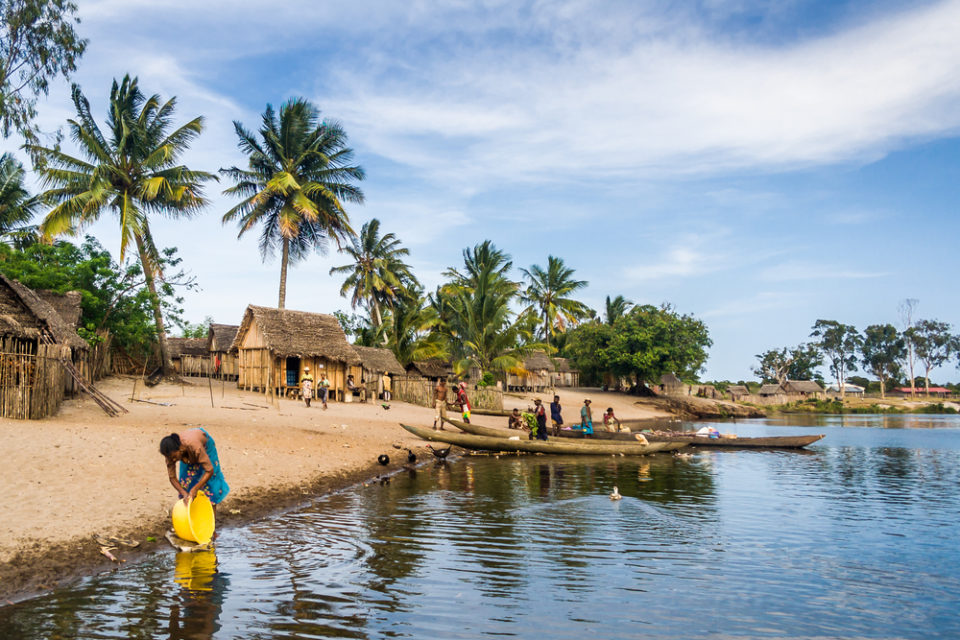
However! And this is a big "however"! The wet season is also when Madagascar truly comes alive in other ways. The landscape turns into an even more spectacular shade of green. It’s lush! It’s vibrant! It’s practically bursting with life.
And the wildlife? Oh boy. While some animals might be more elusive, others are thriving. This is prime time for birdwatching, as many migratory birds are around and nesting. It's also fantastic for seeing frogs and reptiles. They absolutely love the wet, humid conditions. Imagine spotting a bright red frog or a camouflaged snake in its natural, very damp habitat. Talk about an adventure!
The other big draw during the wet season, particularly from December to February, is the humpback whale migration. They come to the warmer waters to breed and give birth. So, if seeing majestic whales breaching is high on your bucket list, the wet season could be your ticket. Picture yourself on a boat, with the warm, humid air, watching these giants play. Pretty epic, no?
The Cyclones: The Wildcard of the Wet Season
Now, for a little dose of reality. The wet season, especially between January and March, is also cyclone season. Yep, those powerful tropical storms can hit. This is the biggest risk factor when traveling during these months. Cyclones can cause significant disruption, leading to cancelled flights, impassable roads, and general chaos.
It’s not something to be terrified of, but it’s definitely something to be aware of. If you’re planning a trip during these months, be flexible with your plans. Have travel insurance. And be prepared for potential changes. It's part of the adventure, I guess? A slightly more… dramatic adventure.

What About Specific Interests?
So, let’s say you’re not just a casual traveler. You have a mission! You want to see a specific animal, or experience a particular part of the island. How does that affect your timing?
Lemur Lovers Rejoice (Anytime, Really, But Dry Season is Easiest)
Lemurs are pretty much the poster children for Madagascar. And honestly, you can see them year-round. However, as we’ve touched on, the dry season (April-October) offers the most comfortable experience for spotting them. The vegetation is less dense, and they're generally more active during the cooler parts of the day.
During the wet season, they might be a bit more hidden away, snoozing or sheltering from the rain. But if you’re patient and have a good guide, you can still have incredible encounters. Just be prepared for potentially damp conditions!
Whale Watching Wonders (Wet Season is the MVP)
If your heart sings at the thought of humpback whales, then the wet season is your time to shine. From roughly June to September, they migrate to the waters off Île Sainte-Marie and the mainland coast to calve and nurse their young. This is the absolute peak season for whale watching. So, if it's whales you're after, don't be afraid of a little (or a lot) of rain!

Birdwatching Paradise (Wet Season is Buzzing)
For the avid birdwatcher, the wet season (November-March) is often considered the most exciting time. This is when many resident and migratory birds are at their most active, displaying breeding plumage and nesting. The lush vegetation also provides excellent cover and food sources. So, pack your binoculars and your raincoat!
Hiking and Trekking Adventures (Dry Season Reigns Supreme)
If you dream of trekking through national parks, scaling mountains, or exploring remote trails, the dry season (April-October) is your undisputed champion. You’ll avoid the slippery, muddy conditions of the wet season, making your hikes safer and more enjoyable. Plus, the cooler temperatures during the dry season are much more pleasant for physical activity.
Putting It All Together: Your Madagascar Decision!
So, what’s the final verdict? If you're looking for the most straightforward, generally pleasant experience with abundant wildlife viewing opportunities and easier travel, aim for the dry season, especially the shoulder months of April, May, and October. You'll get sunshine, accessibility, and happy lemurs.
However, if you're willing to embrace a little more adventure, don't mind the possibility of rain, and are particularly interested in birdwatching or whale watching, the wet season (November-March) can offer unique and rewarding experiences. Just keep those cyclone possibilities in the back of your mind and be prepared for anything!
Ultimately, the "best" time to visit Madagascar is really the time that works best for you and your priorities. This island is so incredibly diverse and magical, it's hard to have a bad time. But a little bit of planning goes a long way in making your trip absolutely unforgettable. So, start dreaming, start planning, and get ready for an adventure of a lifetime!