
Best Time Of Year To Plant Grass Seed
I remember one particularly enthusiastic spring. The sun was shining, the birds were chirping, and I, armed with a brand new bag of grass seed and dreams of a lush, emerald carpet, decided it was the time. My neighbors were already out and about, so surely, I thought, I was just catching up to the inevitable summer green glory. Oh, how wrong I was. Weeks later, instead of the promised lawn of champions, I had a patchy, sad excuse for greenery populated by more weeds than actual grass. It was like my yard had a serious case of the Mondays, every single day. Little did I know, my timing was about as perfect as wearing socks with sandals to a formal wedding. Whoops.
This, my friends, is where the magic (or lack thereof) of planting grass seed truly shines. It's not just about tossing seeds to the wind and hoping for the best. There’s a science, a rhythm, a season to it all. And if you’re anything like my past self, you've probably wondered, "When in the world should I actually do this?" Well, grab a cup of your favorite beverage, settle in, and let's have a friendly chat about the best time of year to plant grass seed. Because nobody wants a lawn that looks like it lost a fight with a weed whacker.
The Great Grass Seed Timing Debate: Fall vs. Spring
Alright, let's get down to brass tacks. When it comes to planting grass seed, there are generally two major contenders: fall and spring. Each has its own set of pros and cons, and the "best" time often depends on a few factors. But if I had to pick a champion, a true blue ribbon winner? It's usually the fall. Hear me out!
Think of it this way: your new grass seedlings are a bit like tiny babies. They need a good environment to grow strong and healthy. Fall offers a gentler introduction to the world than the scorching sun and unpredictable storms of spring. The soil is still warm from summer, which is fantastic for germination, but the air is starting to cool down. This means less stress on those delicate little sprouts. Plus, fall usually brings more consistent moisture, which is absolutely crucial for establishing a new lawn. Less watering worries, more growing!
Why Fall Often Wins the Gold Medal
Let's dive a little deeper into why fall is often hailed as the superhero of grass-seeding seasons. First off, soil temperature. For most cool-season grasses (which are the most common types in many parts of the US, like fescue, bluegrass, and rye), the ideal soil temperature for germination is between 50°F and 65°F. Now, you might be thinking, "How am I supposed to know that?" Good question! You can get a soil thermometer, or, if you're feeling adventurous, you can keep an eye on your air temperature. When the air temps are consistently in the 60s and 70s during the day and dipping into the 50s at night, your soil is likely in that sweet spot. Fall provides this naturally!
Secondly, weed competition. Spring is a weed's paradise. They're just as eager to sprout as your grass, and often they're bigger, meaner, and faster. By planting in the fall, you're giving your grass a head start before the majority of the weed population really kicks into high gear. Your grass has a better chance to establish a strong root system and outcompete those pesky invaders. Take that, dandelions!
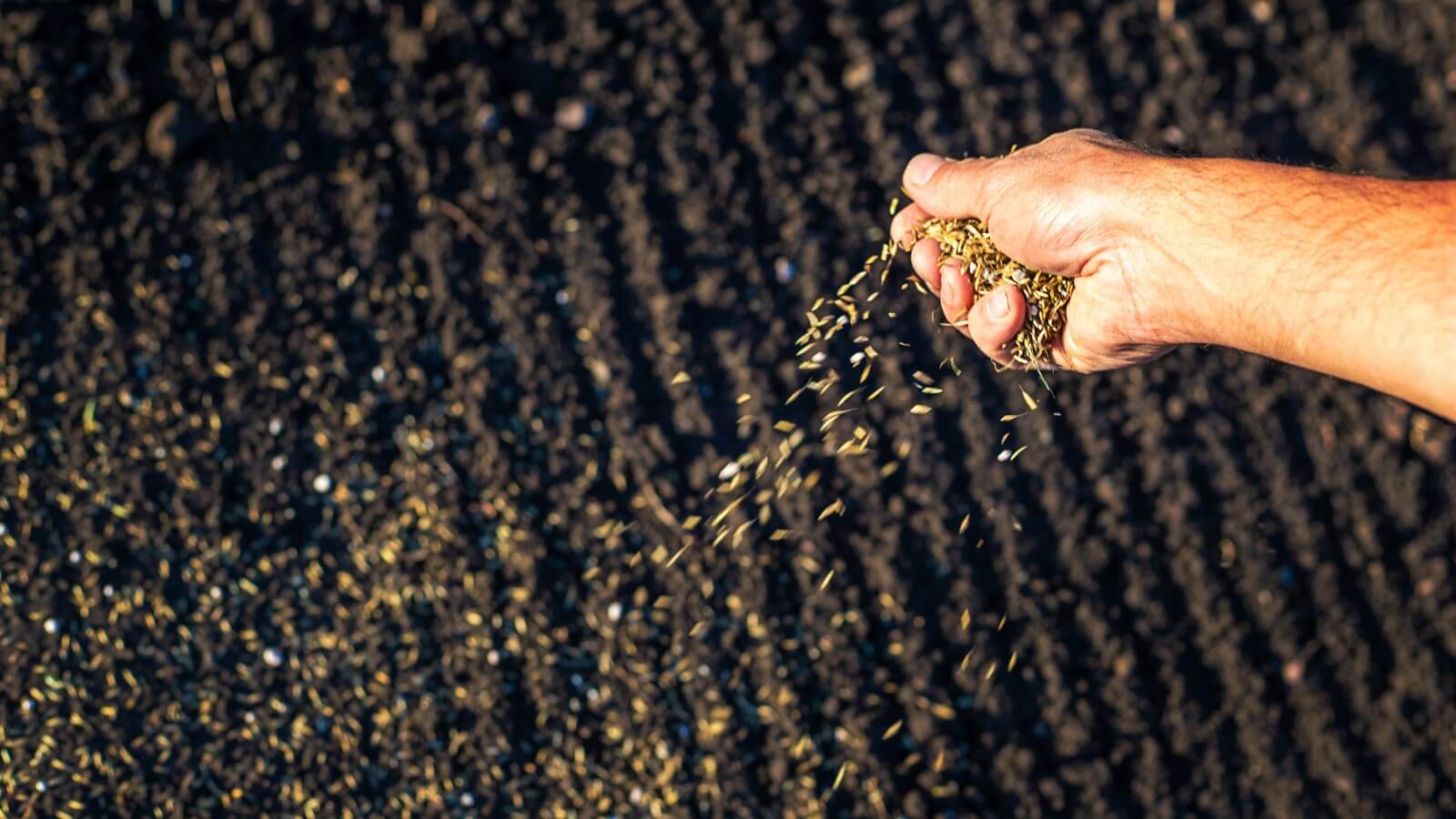
Thirdly, moisture. Fall tends to bring more gentle, consistent rain. This is a godsend for new grass seed, which needs to be kept consistently moist (but not waterlogged!) to germinate and thrive. Less manual watering for you, more natural hydration for your lawn. It's a win-win, really. You can spend less time with the sprinkler and more time sipping that beverage we talked about.
Finally, less stress. Summer's intense heat and potential droughts can be brutal on young grass. Fall, with its milder temperatures, allows your new grass to establish its roots deeply without the constant threat of wilting. This means a more robust, resilient lawn come next spring. Think of it as a cozy hibernation before the big show. Stronger roots equal a happier lawn.
So, When Exactly in the Fall?
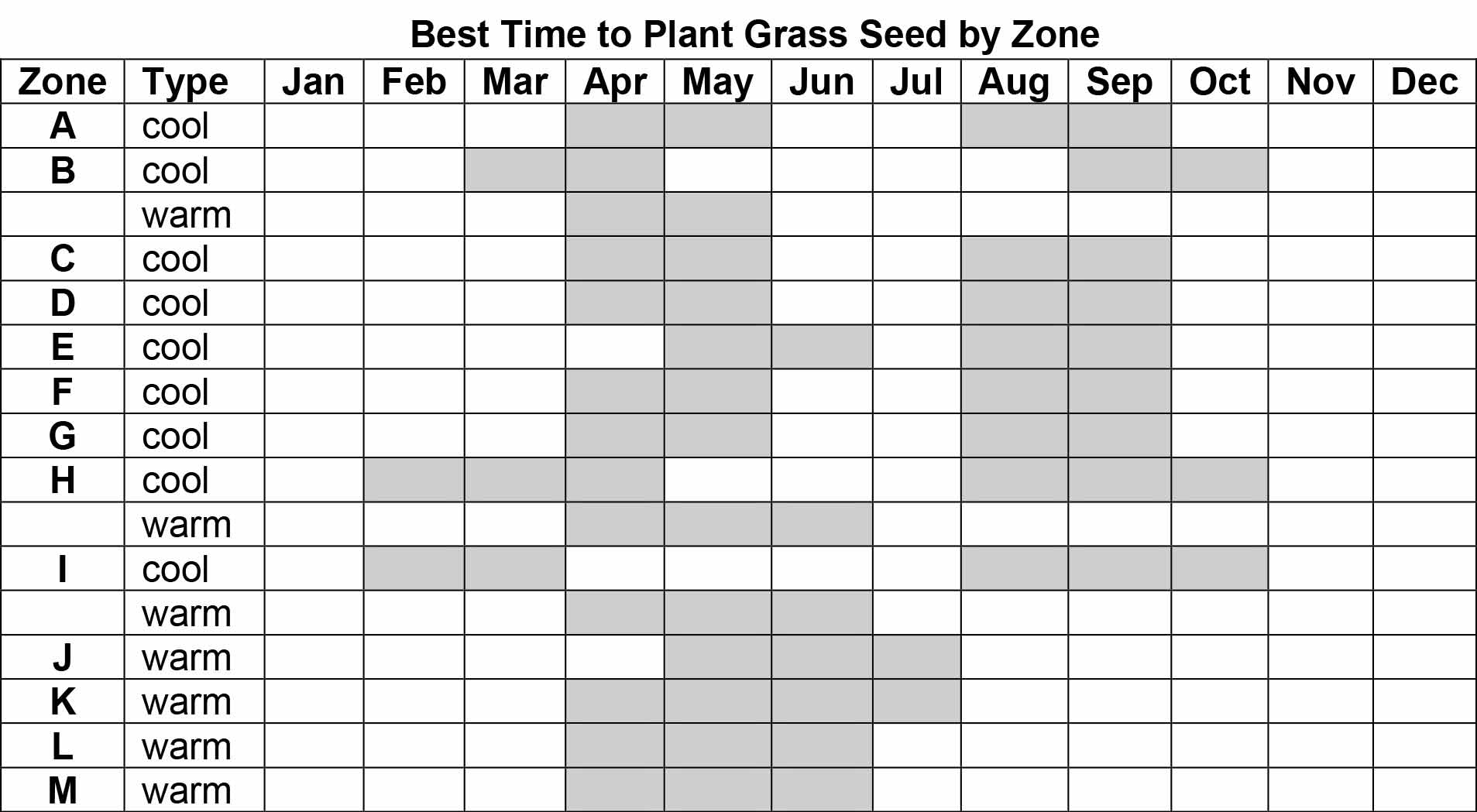
Okay, so we've established that fall is pretty darn good. But when exactly in the fall should you break out the spreader? The general rule of thumb is to plant about 6-8 weeks before your average first frost date. Why? This gives the grass enough time to germinate and establish a decent root system before the ground freezes and the harsh winter weather sets in. You don't want your new baby grass facing a blizzard unprepared!
If you live in a region with milder winters, you might have a bit more flexibility. But in most areas, aiming for late August through September (for many parts of the US) is a solid bet. This usually allows for those ideal soil temperatures we talked about earlier, combined with sufficient time before winter’s grip tightens. Do a quick search for your local frost dates – it’s a surprisingly helpful piece of information to have in your gardening arsenal. Who knew weather data could be so exciting?
It’s also a good idea to look at the weather forecast. If you see a stretch of cooler temperatures with a good chance of rain on the horizon, that's your cue! Timing is everything, as they say. And in the world of grass seeding, a little bit of foresight goes a long way. You’re essentially setting yourself up for success before you even put that first seed down.
What About Spring Planting? Is It a Lost Cause?
Now, I’m not saying spring is a complete write-off. Far from it! If fall just isn’t an option for you, or if you’re trying to patch up some winter damage, spring can still work. But you have to be a bit more strategic, and, let’s be honest, a little more vigilant. It’s like a sprint instead of a marathon.

The key to successful spring seeding is to plant as early as possible. Think of it as a race against the heat. You want to get your grass established before the scorching summer sun becomes a constant threat. Ideally, you’ll want to seed once the soil temperature reaches about 50°F and is no longer frozen, and when the danger of a hard frost has passed. This is usually in March or April for many regions.
The challenge with spring planting is that you’re fighting against two major forces: weeds and heat. As we mentioned, spring is weed-growing season, and they’ll be chomping at the bit to take over your newly seeded areas. You’ll likely need to be extra diligent with weed control. And once summer rolls around, your young, still-developing grass will be put to the test. You’ll need to be prepared for more frequent watering and potentially dealing with patches of grass that just can’t handle the heat.
However, if you choose the right type of grass seed for your climate, are diligent with watering, and manage your weeds effectively, you can absolutely achieve a beautiful lawn in the spring. It just requires a bit more elbow grease and a watchful eye. Spring seeding is doable, but it demands more attention.

The "When to Absolutely Not Plant" List
Before we wrap up, let’s talk about when you should probably just sit back, relax, and let nature do its thing. Avoid planting grass seed during these times:
- Extreme Heat: Summer is generally a no-go. The soil is too hot, and the air is too dry. Your seeds will likely bake before they even have a chance to sprout. It’s like trying to grow a delicate flower in a desert.
- Freezing Temperatures: Obviously, if the ground is frozen, your seeds won't germinate. And even if they do sprout, a sudden freeze can kill them.
- Drought Conditions: If there's no rain in sight and you can't commit to consistent watering, it's probably best to wait. Your investment in seed will be wasted without adequate moisture.
- Immediately Before a Major Holiday or Event: This is more of a practical tip. If you're planning a big backyard BBQ, you probably don't want to be treading on brand new, fragile seedlings. Give your lawn some breathing room. Been there, done that, ruined the grass.
Putting It All Together: Your Lawn-Planting Game Plan
So, to recap, while spring seeding has its place, fall is generally the superior choice for planting grass seed, especially if you’re aiming for a new lawn from scratch. It offers a more forgiving environment for germination and establishment, leading to a healthier, more resilient lawn come springtime.
Remember these key takeaways:
- Fall is King: Aim to plant 6-8 weeks before your first frost.
- Spring is a Sprint: Plant as early as possible to beat the heat and weeds.
- Know Your Zone: Research your local climate and frost dates.
- Water Wisely: Consistent moisture is critical, no matter the season.
- Weed Warrior: Be prepared to tackle weeds, especially in spring.
Ultimately, the best time to plant grass seed is when the conditions are most favorable for your chosen grass type to thrive. It’s about setting your grass up for success from day one. So, next time you’re eyeing that bag of seed, take a moment to consider the season. Your future lawn will thank you for it. And who knows, maybe next year you'll be the neighbor with the envy-inducing emerald carpet, not the one with the patchy disappointment. Happy seeding!