
Best Golf Irons For A Mid Handicapper
Alright, settle in, grab your imaginary latte, and let's talk golf. Specifically, we're diving deep into the mystical realm of golf irons for the glorious, often frustrating, yet occasionally brilliant mid handicapper. You know who you are. You're not quite slicing into the next zip code, but you're also not exactly holing out from the fairway like a robot. You're the backbone of the game, the folks who actually buy golf clubs, not just drool over them in catalogues. And let's be honest, finding the right irons can feel like trying to decipher ancient hieroglyphs while simultaneously swatting away mosquitos. But fear not, my friends, for I am here to guide you through this labyrinth of lofts, lies, and lovely sweet spots.
So, what exactly is a mid handicapper? Think of it as the Goldilocks zone of golf. Not too good, not too bad, but just right for having an absolute blast (and maybe a few existential crises on the back nine). You’ve probably got a decent swing, can make decent contact with the ball most of the time, and maybe even hit a few shots that make your playing partners whisper, "Huh, not bad for Dave." We're talking handicaps in the 15 to 25 range, give or take a particularly wild slice or a surprisingly solid chip. If you're spending more time searching for your ball in the woods than admiring its trajectory, you're probably in our club.
Now, why are irons so darn important? They're the workhorses, people! Your driver gets all the glory, your putter saves your scorecard, but your irons? They're the ones you're hitting on approach shots, trying to thread needles between bunkers the size of small countries and water hazards that look suspiciously like shark tanks. They need to be forgiving enough to let you get away with a slightly off-center strike (because let's face it, it's going to happen), but also offer enough feedback so you can learn from your mistakes. It's a delicate dance, a culinary masterpiece of club design, if you will. Imagine a chef trying to balance sweet, sour, salty, and bitter. That's what iron manufacturers are doing, and frankly, they deserve a Michelin star for some of this stuff.
The Quest for the Perfect Forgiveness
For the mid handicapper, forgiveness is king. Or queen. Or the benevolent dictator of your golf bag. You want a club that’s going to help you out when your swing has had one too many espressos. This usually means looking for clubs with a larger sweet spot, often achieved through technologies like cavity backs. Think of a cavity back like a trampoline for your ball. It springs back with more gusto, even if you don't hit it dead center. It's like having a little guardian angel in your clubface, whispering sweet nothings of "good shot" into your ear.
These larger heads also tend to have a lower center of gravity, which helps get the ball up in the air more easily. For us mere mortals, getting the ball airborne is often half the battle. Remember that time you hit a worm burner that rolled further than most professional drives? Yeah, we've all been there. Cavity backs help prevent those embarrassing ground-hugging expeditions. It's like the club is saying, "Don't worry, buddy, I've got this."
The Sleek and Sophisticated (But Still Forgiving) Options
While we're all about forgiveness, that doesn't mean we have to swing clubs that look like they were designed by a committee of marshmallow manufacturers. Many brands offer "game-improvement" irons that still possess a decent amount of sleekness. They might have a slightly thicker top line or a bit more offset (that’s the distance the hosel extends forward from the leading edge, by the way, for all you trivia buffs), but they’re not exactly bowling trophies.
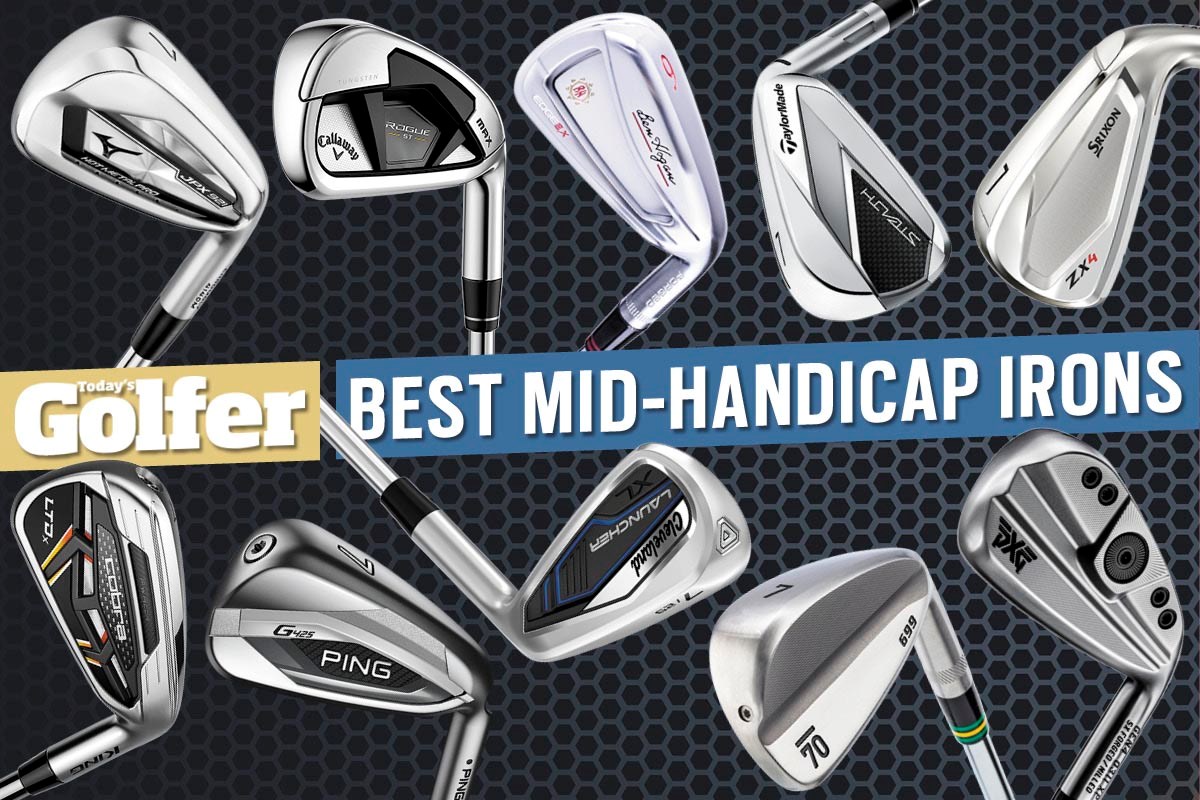
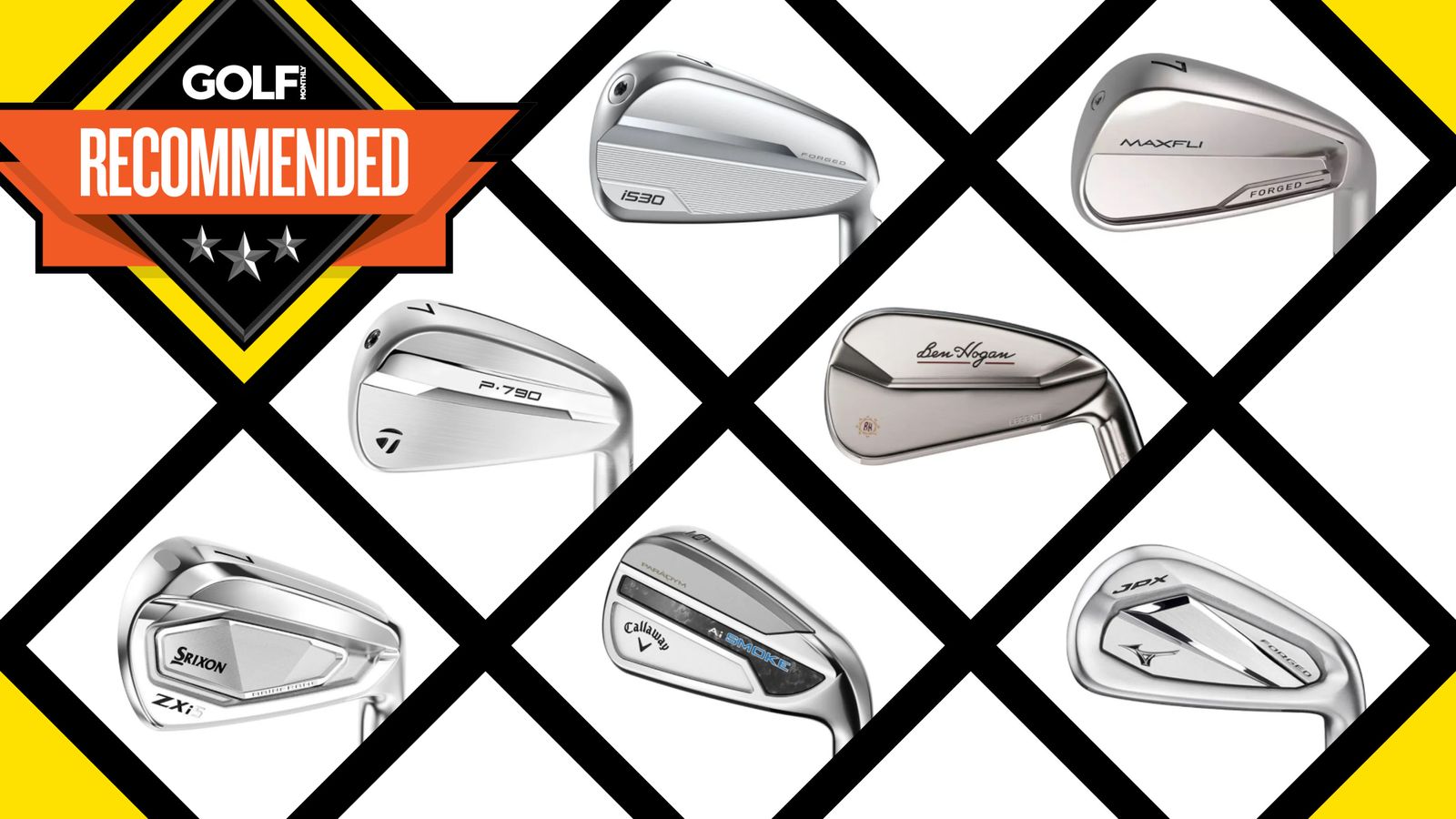
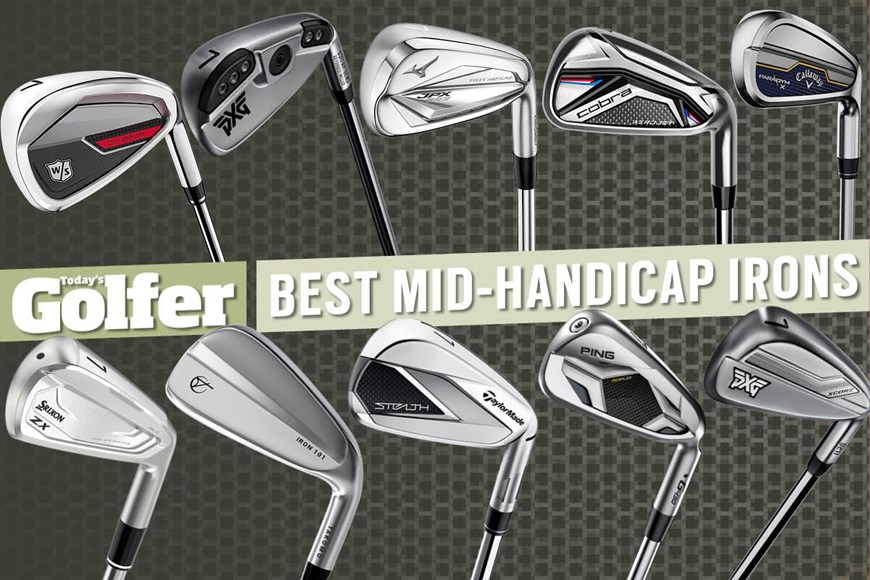
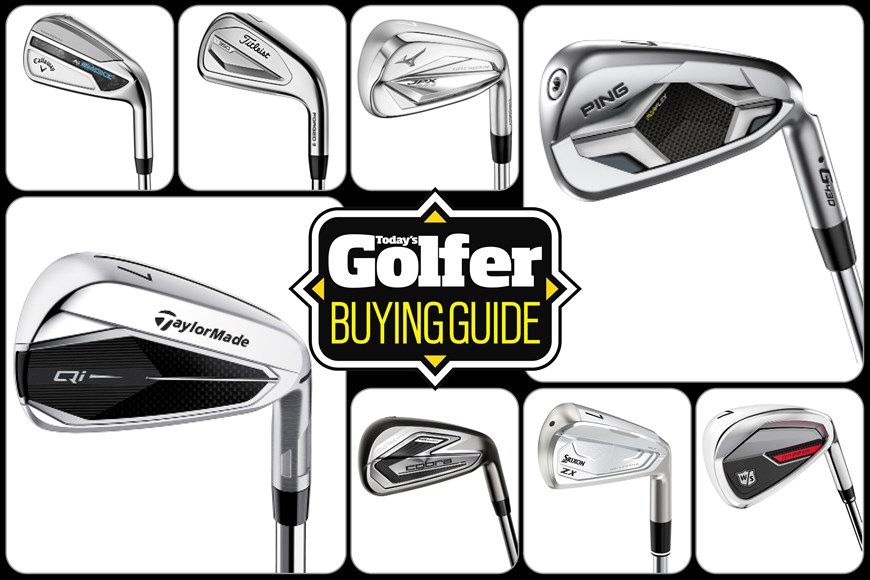
Look for brands like TaylorMade, Callaway, Titleist, and PING. These guys are the heavyweights, the Avengers of the golf club world. They've been doing this for a while, and they know how to build clubs that perform. TaylorMade's Stealth or Stealth HD irons, for example, are designed to be incredibly forgiving without looking like they belong in a beginner's set. Callaway's Rogue ST Max or Paradym Ai Smoke irons are another fantastic option, often lauded for their blend of distance and forgiveness. PING's G430 irons are practically legendary for their consistency and ease of use. And Titleist, while often associated with the scratch golfer, has the T300 and T400 irons which are surprisingly user-friendly for their pedigree.
A surprising fact: did you know that the average golf ball travels around 150 miles per hour off a well-struck iron? Imagine that! It's like a tiny, dimpled missile launched into the stratosphere. And your irons are the launchpads. Pretty cool, right? Now, if only we could hit them all like that!
The Myth of the "Players Iron" (and why you should probably avoid it)
Now, I know some of you are thinking, "But what about those beautiful, slender players irons? The ones that look so darn pure?" Let me tell you, those are the seductresses of the golf club world. They’re sleek, they’re sexy, and they’ll absolutely punish you for your transgressions. For a mid handicapper, wielding a set of blades is like trying to perform open-heart surgery with a butter knife. It's possible, but the odds of a successful outcome are… slim.

Players irons (or muscle backs, as they're also known) offer very little forgiveness. They have a smaller sweet spot and a much higher center of gravity. They're designed for players who can control the trajectory and spin of the ball with incredible precision. If you find yourself consistently hitting the sweet spot and are looking for more workability, then maybe, just maybe, you can start dipping your toes. But for the vast majority of us mid-handicappers, sticking with more forgiving options will lead to more fairways, more greens, and significantly fewer tears shed over those agonizing, soul-crushing mishits. Trust me, your sanity (and your golf score) will thank you.
Don't Forget the Shaft!
We’ve talked a lot about the clubhead, but the shaft is like the engine of your iron. It’s crucial, people! For most mid handicappers, a standard steel shaft is going to be your best bet. Brands like True Temper and KBS offer excellent options. Avoid overly stiff or overly flexible shafts. Too stiff, and you’ll lose distance. Too flexible, and you’ll feel like you’re swinging a wet noodle, with all sorts of crazy hooks and slices. It's a fine line, and it's often best to get fitted or at least choose a shaft designated for "regular" flex, unless you're an absolute beast or have the swing speed of a gentle breeze.
Graphite shafts are lighter and can help increase swing speed, but they can also sometimes offer less feedback and feel. They're usually reserved for slower swingers or senior golfers, though some game-improvement irons do come with them as standard. Think of it like this: steel is your reliable sedan, graphite is your sports car. Both get you there, but one offers a different kind of ride.
The Verdict: Go Forth and Conquer (with the Right Clubs!)
So, what's the takeaway from this epic journey into the world of mid-handicap irons? Simple: prioritize forgiveness. Look for cavity-back designs, ample sweet spots, and technologies that help get the ball in the air. Don't be afraid of brands that are known for game-improvement clubs, and steer clear of the pure players' irons unless you've truly earned your stripes. And for the love of all that is holy, pay attention to your shaft!
Ultimately, the best iron for you is the one that makes you feel confident over the ball and helps you hit it more consistently. Go to a reputable golf shop, try out a few different sets, and see what feels right. Get a club fitting if you can – it's like having a golf guru tailor your clubs to your unique swing. It might seem like a lot, but trust me, a good set of irons can shave strokes off your game and, more importantly, make golf a whole lot more enjoyable. Now go forth, swing with confidence, and may your approach shots always find the green!