
Best Diet For Cats With Renal Failure
Hey there, fellow cat parent! So, your furry little overlord is facing a bit of a health hurdle. Renal failure, huh? Ugh, I know, it's a total bummer. Makes you feel so helpless, doesn't it? Like, what can you even do?
Well, first off, take a deep breath. You're not alone. Lots of us have been there, staring at a vet bill and a sad-eyed kitty. And the good news? There's definitely a lot we can do to help them live their best lives, even with leaky kidneys. Think of it as a major upgrade to their VIP lifestyle. More naps, more cuddles, and a really, really specific diet. Fun, right?
So, let's chat about the best diet for these precious kitties. Because, let's be honest, what we feed them is a HUGE part of keeping them comfy and happy. It’s like their superpowers, but in kibble form. Or maybe pate. We’ll get to that!
The "Leaky Kidney" Diet Demystified
Okay, so when a cat's kidneys aren't working at 100%, they’re not filtering waste as efficiently. This means toxins can build up in their system, making them feel yucky. And, you know, we don't want our furballs feeling yucky. Ever. That's a big no-no.
The main goal of a renal diet is to reduce the workload on those precious kidneys. Less work means less stress, and less stress means a happier, healthier cat. It’s like giving them a tiny, furry vacation from the daily grind of filtering blood. Imagine that!
So, what does this magical diet entail? Well, it's not just throwing any old tuna in their bowl. We're talking about some pretty specific adjustments. Think of it as a highly curated, exclusive menu for discerning feline palates. Only the best!
Protein: It's Not About Less, It's About Better
This is where things can get a little confusing, because people often think "kidney disease means less protein." And yeah, in the olden days, that was the thinking. But we’ve learned a lot since then, haven't we? Science is pretty cool.
Now, the real deal is about the quality and digestibility of the protein. High-quality, easily digestible protein is key. Why? Because it means your cat's body can actually use it without a ton of nitrogenous waste left over for those struggling kidneys to deal with. Less of a mess to clean up, you know?
Think of it like this: if you have a super messy toddler, do you give them a giant messy toy or a smaller, less messy one? You probably go for the less messy option, right? Same principle here. We want protein that's like a perfectly crafted, easy-to-handle LEGO set, not a giant bucket of glitter glue.
So, while the amount of protein might be slightly adjusted in some cases, the focus is definitely on protein that's highly bioavailable. This means their body gets the good stuff it needs for muscle maintenance and other essential functions without overwhelming the kidneys.
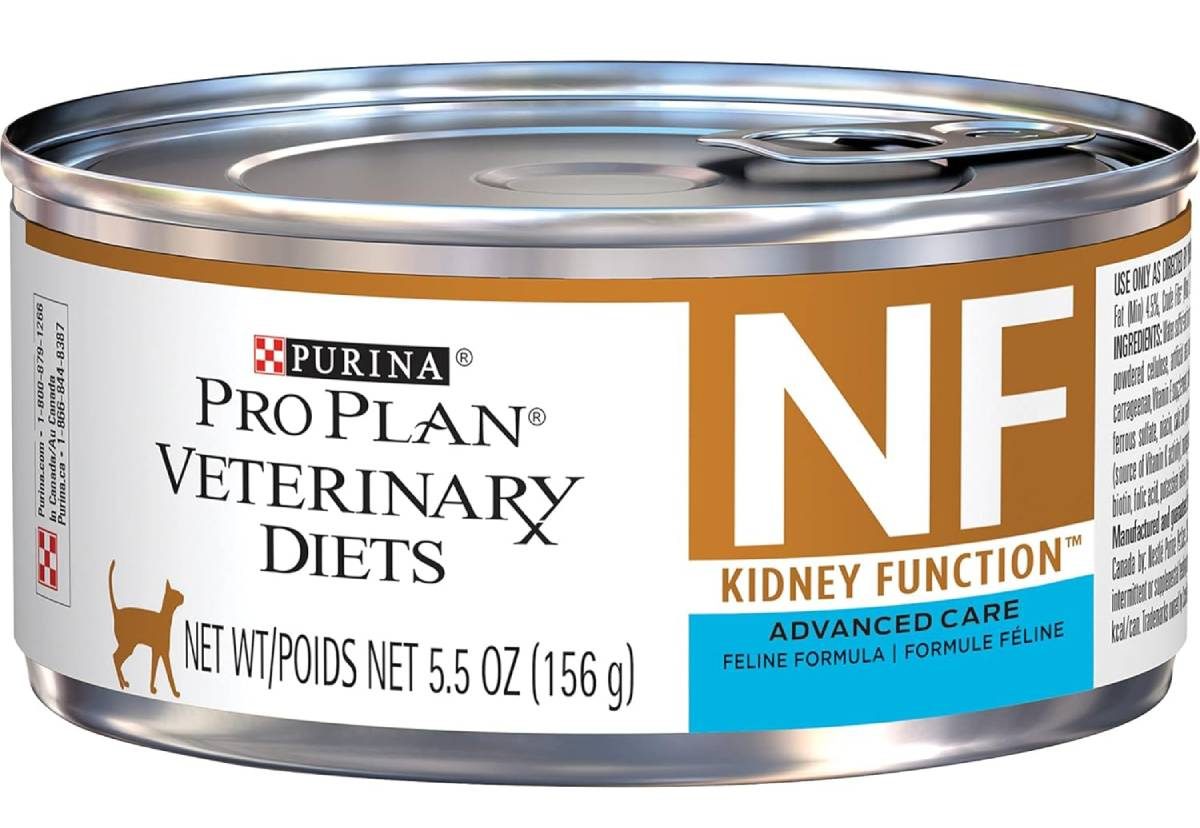
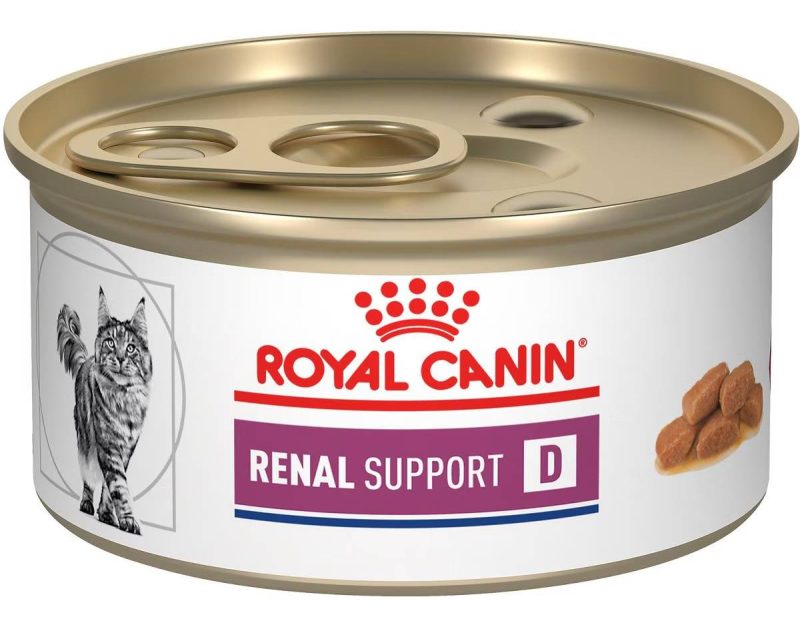
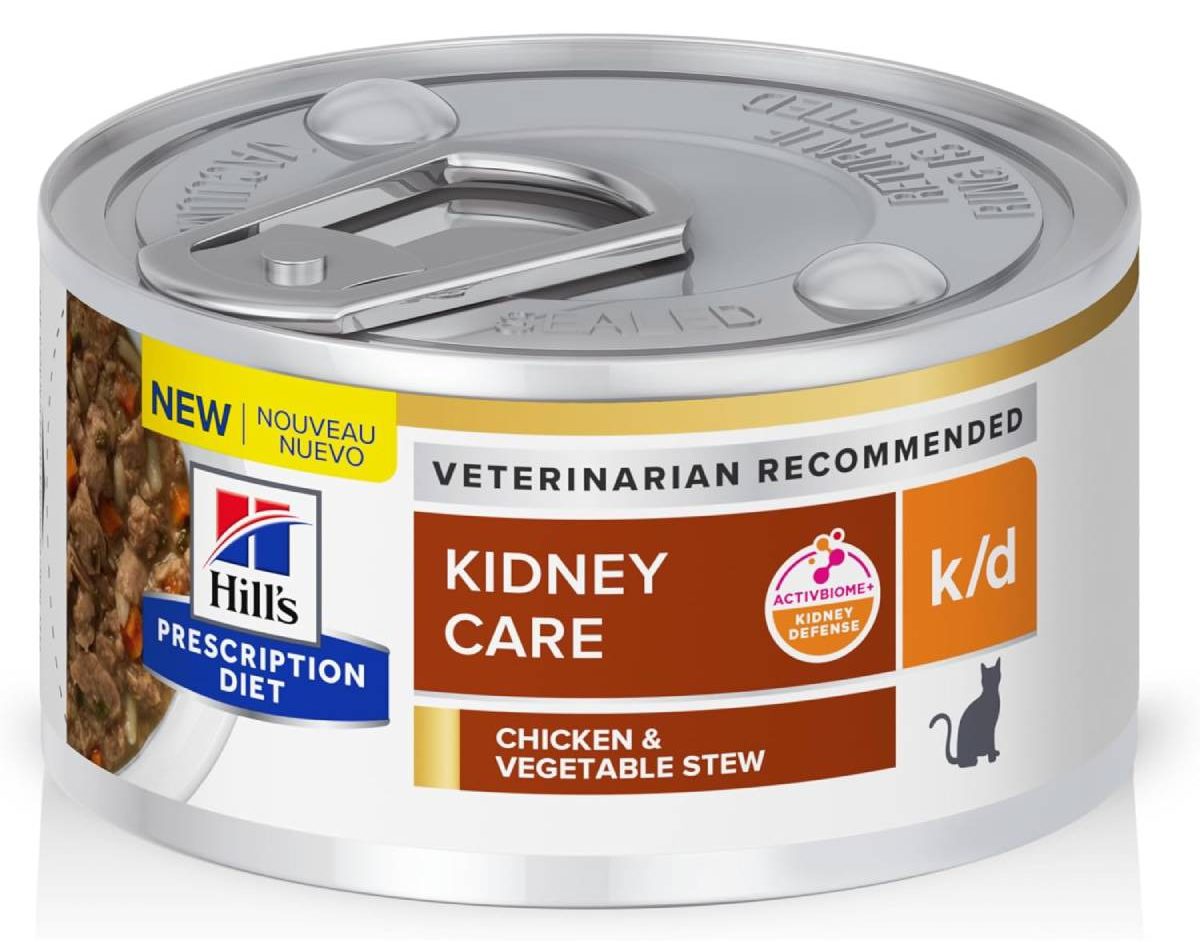
And where do we find this magical, super-digestible protein? Usually in specialized prescription diets. These are formulated by fancy-pants vets and nutritionists who, I’m pretty sure, have PhDs in Cat Foodology. They know their stuff!
Phosphorus: The Pesky Villain
Ah, phosphorus. This is the big one. In cats with renal failure, their kidneys have a tough time getting rid of excess phosphorus. And when phosphorus levels get too high, it can actually make kidney damage worse. Uh oh. We definitely want to avoid that.
So, a crucial part of a renal diet is significantly reducing phosphorus. This is non-negotiable, folks. Think of phosphorus like a really unwelcome houseguest who overstays their welcome and makes a huge mess. We gotta show them the door!
This is why you'll see "low phosphorus" listed as a key feature on all prescription renal diets. It’s the superhero cape of kidney food. They’ve worked hard to keep those levels down, and it makes a world of difference.
What does this mean for you? Well, it means you can't just grab any old salmon-flavored crunchies from the supermarket shelf. Those are often loaded with phosphorus, and it's like giving your cat a secret bomb disguised as a snack. Not good.
You’ll need to stick to those specially formulated diets. They’re designed to be phosphorus-restricted. It’s a commitment, for sure, but it’s a commitment to your cat’s well-being. And isn’t that what we’re all about?
Sodium: Another One to Watch
Sodium, or salt, is another mineral that needs a bit of a leash when it comes to kidney disease. High sodium can contribute to high blood pressure, which is already a concern for cats with kidney issues. Plus, it can make them drink more water, and while hydration is good, too much can be a strain on the kidneys trying to process it all.
So, renal diets are typically low in sodium. They’re not necessarily no sodium, because a little bit is needed for basic bodily functions. But it's definitely not the "salt lick" experience some commercial foods might offer. We’re talking about a gentle, refined approach to seasoning.
Think of it as the difference between a gourmet meal and a fast-food burger. One is carefully balanced, the other is… well, a sodium bomb. Your cat's kidneys will thank you for the gourmet treatment.
Omega-3 Fatty Acids: The Good Guys
Now, here's where we get to some of the real heroes of the renal diet: omega-3 fatty acids. These are like the bodyguards for your cat's kidneys. They have anti-inflammatory properties, which can help reduce inflammation in the kidneys. And anything that reduces inflammation is a big win, right?
These amazing fatty acids can also help improve blood flow to the kidneys, which is super important when they’re struggling to do their job. It’s like giving their kidneys a gentle massage and a power-up. Pretty neat!
You’ll find these superstars in many prescription renal diets, often derived from fish oil. So, even though your cat might be sniffing suspiciously at something fishy, remind yourself it’s for their own good. It’s the taste of health!
Vitamins and Minerals: The Balancing Act
When kidneys aren't working properly, they can have trouble regulating certain vitamins and minerals. For example, they might lose B vitamins in their urine, and they can have trouble managing potassium levels. It's a complex dance of electrolytes and nutrients.
Renal diets are carefully formulated to provide the right balance of vitamins and minerals. This might include added B vitamins, controlled levels of potassium, and sometimes other specific nutrients to support overall health. It's like a perfectly calibrated vitamin cocktail, designed just for them.
They might also be lower in certain minerals that the kidneys struggle to excrete, like calcium and phosphorus (we’ve talked about that one!). It’s all about finding that sweet spot where the diet supports their body without overburdening it.
The Big Question: Wet vs. Dry Food
Okay, so you've got the lowdown on the ingredients. Now, the practical stuff: wet food or dry food? This is like the eternal cat parent debate, even without kidney disease thrown into the mix!
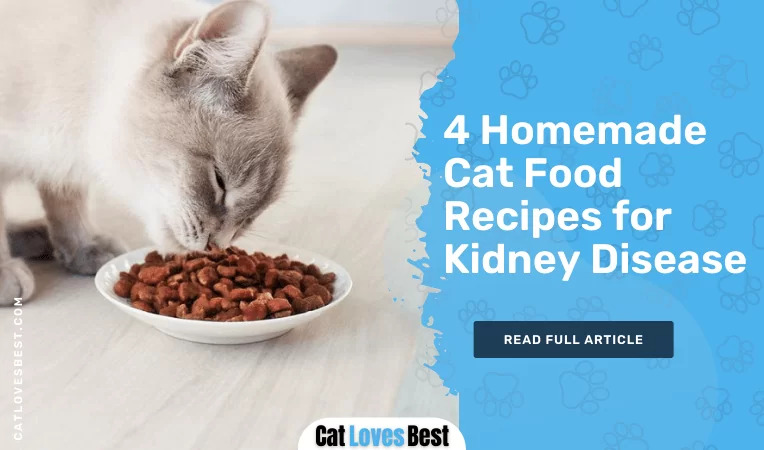
For cats with renal failure, wet food is generally the preferred choice. And here's why: hydration! Cats are notoriously bad at drinking enough water. Like, seriously bad. They're basically designed to get most of their water from their food, coming from a long lineage of desert-dwelling critters.
When they eat wet food, they're getting a significant amount of water with every lick. This is HUGE for kidney health. It helps flush out toxins and keeps their whole system running more smoothly. Think of it as a built-in hydration system. Genius, right?
Dry food, while convenient, can be a bit of a dehydration trap. So, if your cat is on a dry renal diet, you’ll need to be extra vigilant about encouraging water intake. Water fountains, multiple water bowls, adding a little tuna juice (low sodium, of course!) to their water – anything to get them sipping.
However, some cats are just lovers of dry food. And if your vet gives the go-ahead, there are prescription dry renal diets available. The key is making sure they're eating something, and that it's the right something. Begrudgingly eating kibble is better than not eating at all!
The Picky Eater Predicament
Ah, the dreaded picky eater. If your cat is already a connoisseur of fine dining, introducing a new, specialized diet can be… challenging. You might find yourself negotiating like a hostage negotiator, but with tuna pate instead of ransom money.
Here are a few tricks of the trade that might help you win over your discerning feline:
Start Slow: Don’t just swap out their old food for the new stuff overnight. Gradually mix the new food with the old, increasing the proportion of the new food over a week or two. Think of it as a gentle introduction, not a culinary shock.
Warm it Up: Some cats prefer their food slightly warmed. It releases more aroma, making it more appealing. Just a few seconds in the microwave (and make sure it’s not hot, just pleasantly warm – we don’t want any tongue-scorching incidents!).
Add a Topper (Carefully!): Sometimes, a tiny bit of a highly palatable, renal-friendly topper can entice them. Think a small amount of pureed pumpkin (plain, no spices!), or a sprinkle of nutritional yeast. Always check with your vet first about what’s safe and appropriate. We don’t want to undo all the good work!
Different Textures: If you’re trying to switch from dry to wet, or between different wet food textures, experiment. Some cats are pate people, others prefer shreds, and some are even into those fancy mousses. It’s like a culinary adventure for them!
Hand-Feeding: This sounds extra, I know, but sometimes a few encouraging bites from your hand can make all the difference. It's a bonding experience and a meal. Win-win!
Patience, Patience, Patience: This is probably the most important ingredient. Your cat might not take to the new food immediately. Keep offering it, and don't get discouraged. Sometimes, it just takes time for them to adapt.
The Vet is Your MVP (Most Valuable Pal!)
Seriously, your veterinarian is your absolute best resource in this whole journey. They diagnosed your cat, and they’re the ones who can recommend the specific prescription diet that’s best suited for your individual cat’s needs.
There are different brands and formulations of prescription renal diets, and what works for one cat might not be ideal for another. Your vet will consider your cat’s stage of kidney disease, any other health conditions they might have, and their personal preferences when making a recommendation.
Don't be shy about asking questions! Seriously, bombard them. Ask about the ingredients, why they chose that particular diet, how to transition, what to do if your cat refuses to eat it. They've heard it all before, and they're there to help you and your furry friend.
And remember, this isn't just about the food itself. Your vet will also be monitoring your cat's progress, checking blood work, and making adjustments to their treatment plan as needed. It's a team effort, and you and your vet are the star players.
Beyond the Bowl: Other Important Considerations
While diet is a cornerstone, there are a few other things to keep in mind when managing renal failure in cats:
Hydration: I know, I know, I've mentioned it a million times. But it’s that important! Fresh, clean water should always be available. Consider a pet water fountain to encourage drinking. Some cats are just mesmerized by the moving water.
Medications: Your vet might prescribe medications to help manage symptoms, like appetite stimulants, anti-nausea drugs, or phosphorus binders. Stick to the prescribed schedule religiously. It’s like giving them little doses of hope.
Supplements: Sometimes, your vet might recommend specific supplements, like potassium or B vitamins, if your cat isn't getting enough from their diet. Again, always guided by your vet!
Monitoring: Keep an eye on your cat's appetite, energy levels, grooming habits, and any changes in their litter box. Subtle changes can be early indicators that something is up. You know your cat best!
Love and Affection: This is the easiest and most important part. Extra cuddles, gentle play, and a whole lot of patience go a long way. Let your cat know they are loved, no matter what. It’s the ultimate therapy, and it’s free!
So, there you have it. Navigating the world of renal diets for cats might seem a bit daunting at first, but with the right information and a good partnership with your vet, you can make a huge difference in your cat's quality of life. They deserve all the delicious, kidney-friendly goodness we can give them. Go forth and conquer, cat parent!