
Are Tape Extensions Bad For Your Hair

Alright, let's chat about something that’s been buzzing around the beauty world like a frantic bee around a flower patch: tape-in hair extensions. You know, those magical strips that can give you Rapunzel-level locks overnight? We’ve all seen those enviable transformations, right? Suddenly, you’re rocking a hair flip that could rival a shampoo commercial, and you’re feeling like a million bucks. But then, the little voice in the back of your head starts whispering, “Is this… too good to be true? Are these amazing extensions secretly plotting against my natural hair?”
It’s a fair question! We’re basically strapping a whole other head of hair onto our own, and our hair is already working hard enough trying to deal with our questionable styling habits and the occasional accidental hair tie left in overnight. So, when it comes to tape-ins, are they the devil in disguise, or just a misunderstood friend with a bit of a sticky situation?
Think of it like this: you’re trying to juggle. You’ve got your phone, your keys, your coffee, and then someone hands you a whole new set of juggling balls. Suddenly, things can get a little precarious. Your natural hair is already handling its own weight, its own styling battles, and its own daily wear and tear. Adding extensions, even the super-light tape-ins, is like adding extra weight to that juggle. It’s not inherently bad, but it does require a bit more… finesse.
The biggest fear, the one that sends shivers down the spine of anyone with decent hair, is the dreaded “hair loss.” And honestly, it’s not entirely unfounded. Imagine this: you’ve had your tape-ins for a while, and you’re getting them moved up (which is what you should be doing, more on that later). You’re gently trying to ease them out, and suddenly, a clump of your precious strands comes with them. Horror! It feels like you’ve accidentally yanked out a small, furry creature from your scalp. You start picturing yourself with those patchy spots, desperately trying to hide them with strategic ponytails, which, let’s be honest, never quite work.
But here’s the thing: most of the time, this kind of hair loss isn’t because tape-ins are inherently evil. It’s usually down to a few common culprits, like a badly applied tape, a tape that’s been in for too long without maintenance, or just a little too much enthusiastic tugging when you’re trying to detangle your hair after a particularly vigorous gym session. You know, the kind where you basically attack your hair with a brush like you’re trying to exorcise a demon.
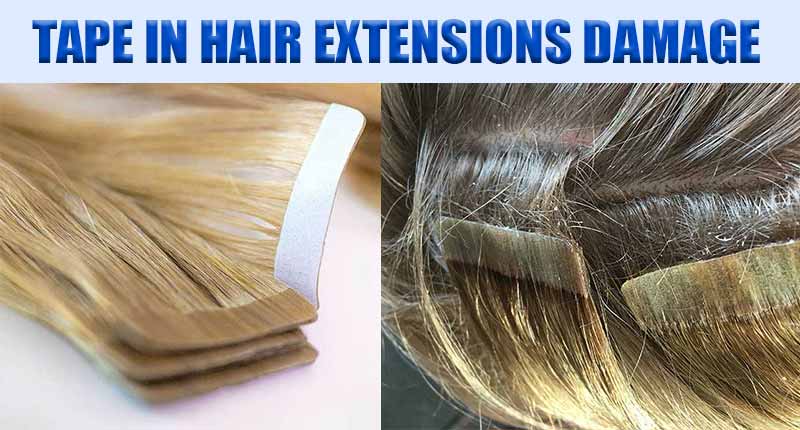
Let’s break down the “badness” factor, shall we? It’s not a simple yes or no. It’s more of a “depends on how you treat ‘em” situation. Think of it like owning a really fancy sports car. It’s amazing when it’s running smoothly, but if you never take it for its scheduled oil changes, never treat it gently on bumpy roads, and just generally abuse it, well, you’re gonna have problems. Your hair extensions are kind of the same. They’re a bit of a luxury, and they require a little TLC.
One of the biggest things to consider is the application. This is NOT a DIY job you want to tackle after watching a few YouTube tutorials while half-asleep. Getting tape-ins put in correctly is crucial. The stylist needs to ensure the tape is placed on clean, dry hair, and that the sections are the right thickness. If the tape is too close to your scalp, or if it’s applied to a section of hair that’s too thin to support the extension’s weight, that’s a recipe for disaster. It’s like trying to hang a heavy picture frame on a wall with just a tiny thumbtack. Eventually, it’s going to come crashing down, and it might take a chunk of drywall with it.
Then there’s the maintenance. Tape-ins aren’t a “set it and forget it” kind of deal. They’re more of a “check in with me regularly or else” kind of thing. You need to get them moved up every 6-8 weeks. Why? Because as your natural hair grows, the tape-ins move down with it. If you let them hang out too long, they’re putting more stress on your natural hair strands. It’s like wearing a backpack that keeps sliding down your shoulders – you’re constantly pulling it up, which is annoying, and if you don’t, it eventually starts digging in. And nobody wants their hair digging in.
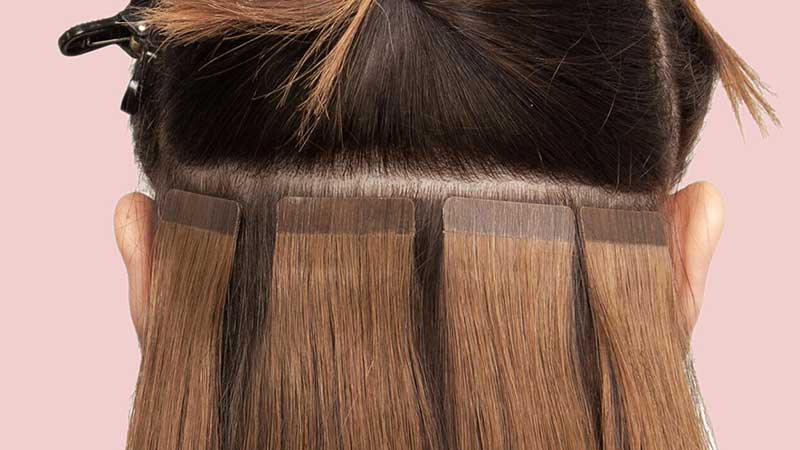
When you go for your maintenance appointments, the stylist will use a special solvent to gently dissolve the tape. This is key. It shouldn't feel like they're ripping your hair out with industrial-strength glue remover. If it stings, or if it feels like they’re yanking, speak up! Your scalp has feelings, people!
Another potential pitfall? The products you use. You can’t just go slathering your hair with any old shampoo and conditioner. Heavy oils and conditioners applied directly to the tape can break down the adhesive, making them slip out prematurely or, worse, making them harder to remove without taking some of your hair with them. It’s like trying to take off a sticker that’s been marinated in butter – it gets messy, and you’re left with sticky residue. So, you need to be mindful of where you’re applying those conditioning treatments. Focus on the lengths and ends, and try to steer clear of the tape.
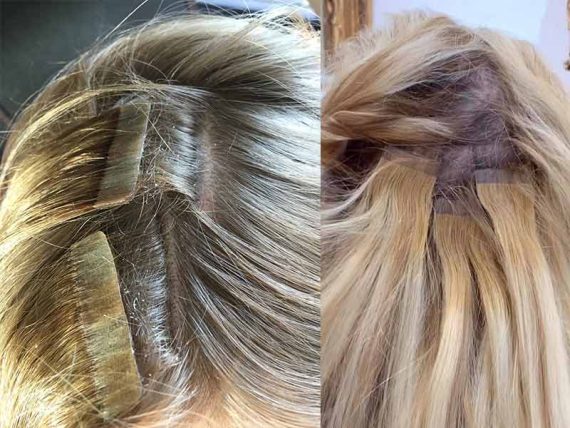
And let’s not forget the brushing. Oh, the brushing. You have to be gentle. No more of that frantic, rake-through-your-hair-like-you’re-looking-for-buried-treasure kind of brushing. You need to use a wide-tooth comb or a specially designed extension brush, and you need to brush from the ends up, working your way gently through any tangles. Think of it as a delicate dance, not a mosh pit. And always, always brush your hair before bed. No one wants to wake up to a tangled nest that resembles a bird’s abandoned home.
Now, for the good news! When tape-ins are applied correctly and cared for properly, they are not bad for your hair. In fact, they can be a fantastic way to add volume, length, and a confidence boost. They’re often considered one of the gentler forms of extensions because the weight is distributed across a larger surface area, and they don’t involve heat or beads that can cause breakage. Think of them as a stylish accessory, like a fabulous scarf that elevates your whole outfit, rather than a heavy, uncomfortable corset that’s constricting you.
The key is education and a good stylist. Find someone who knows what they’re doing, someone who can assess your hair type and condition, and someone who will be honest with you about what’s achievable. They should be able to explain the process, the aftercare, and what to expect. It’s like choosing a tailor for a bespoke suit – you want someone who understands the fabric, the fit, and the desired outcome.

And honestly, the feeling of having amazing hair? It’s pretty darn liberating. You feel like you can take on the world, or at least confidently walk into a room without worrying if your hair is doing its own thing. It’s that little extra bit of fabulous that can make a real difference in your day. So, if you’re considering tape-ins, don’t let the fear of hair loss stop you from exploring it. Just be informed, be prepared to put in a little extra effort, and find a professional who will treat your hair with the respect it deserves.
Ultimately, whether tape-in extensions are “bad” for your hair comes down to how you treat them and how they are treated. They’re not some magical potion that will instantly give you perfect hair without any consequences. They’re a tool, a really good one, that can help you achieve your hair goals. But like any tool, you need to know how to use it. So, do your research, find a reputable stylist, and commit to the aftercare. Your hair will thank you, and you’ll be rocking those fabulous locks with confidence, knowing you’ve made an informed and responsible choice. And who doesn’t love a good hair day? It’s like finding a perfectly ripe avocado – a small joy that makes everything a little bit better.
So, are they bad? Only if you treat them badly. But with a little love, care, and a good professional guiding you, tape-in extensions can be your best friend, not your hair's worst nightmare. It’s all about finding that balance, that sweet spot where you get all the fabulousness without compromising your natural hair’s health. Think of it as a hair partnership – you give them the right conditions, and they give you the drama and volume you’ve been dreaming of.