
Are Solar Panels Worth It In Scotland
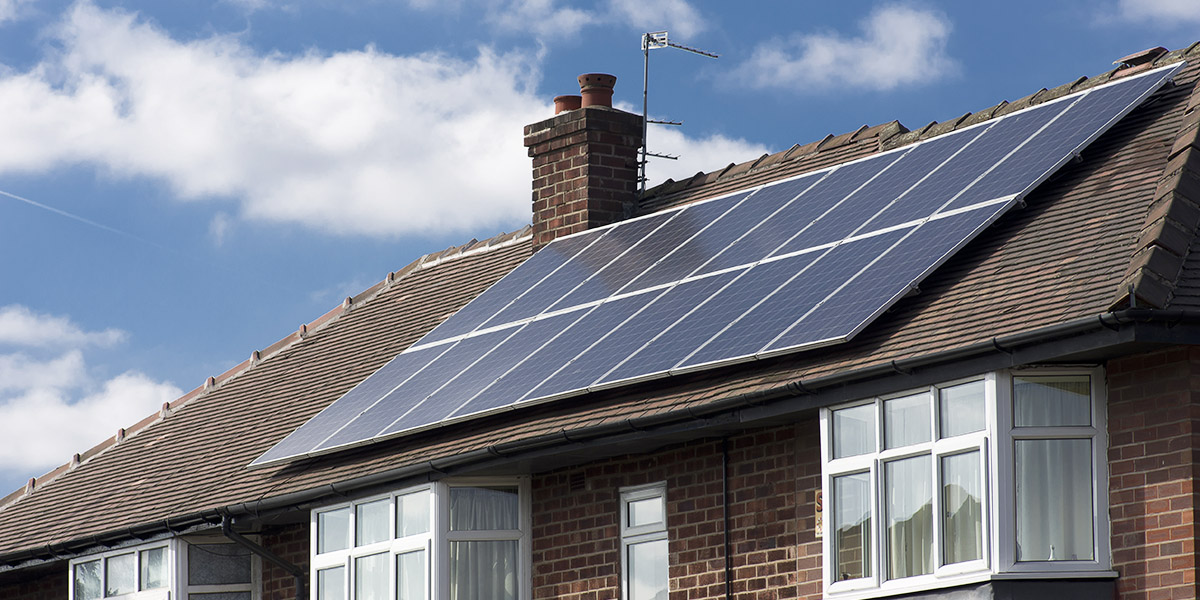
It was one of those classic Scottish summer days. You know the kind – a brief moment of sunshine, a dramatic scattering of clouds, and then, BAM! A torrential downpour that could rival Noah’s ark. My mate, bless his optimistic soul, had just had solar panels installed on his roof a few weeks prior. He’d been waxing lyrical about them for ages, showing me graphs, talking about the glorious reduction in his bills. So, as we huddled inside, watching the rain lash against the windows, I couldn’t resist a little dig. “So,” I said, a twinkle in my eye, “how’s all that sunshine power working out for you today, eh?” He just chuckled, a bit sheepishly, and pointed to the little monitor on his wall. “Funny you should ask,” he replied, “even with this biblical downpour, we’re still generating something. It’s not much, but it’s not zero.”
And that, right there, is the million-pound question, isn't it? Are solar panels really worth it in Scotland? The land of… well, let’s be honest, legendary rain and notoriously unpredictable weather. It’s the first thing that pops into most people’s heads when you mention solar energy north of the border. You can almost hear the collective sigh: “Solar panels? In Scotland? You’re having a laugh!”
But is it all doom and gloom? Or is there actually a sunny disposition to be found, even when the clouds are gathering? Let’s dive in, shall we?
The Big Scottish Weather Question
Okay, let’s address the elephant in the room, or rather, the big grey cloud over the Highlands. Scotland's reputation for less-than-tropical sunshine is, shall we say, well-earned. We’re not exactly basking in perpetual Riviera-like conditions. So, the immediate thought is: how much power can you actually generate when the sun seems to be playing hide-and-seek for half the year?
The truth is, it’s a lot more than you might think. Modern solar panels are pretty darn clever. They don’t just rely on direct, blazing sunlight. They can capture energy from diffused light, which is the light that’s scattered by clouds. So, even on a gloomy, overcast day, your panels are still working. It might not be a full-on power surge, but it’s definitely contributing.
Think of it like this: you know when you’re trying to read a book outside on a cloudy day? You can still see the words, right? It’s not as bright as a sunny day, but the light is still there. Solar panels work on a similar principle. They’re not just looking for that perfect, intense ray of sunshine; they’re harnessing whatever light energy is available.
And let’s not forget that Scotland actually does get sunshine. We have glorious, long summer days where the sun barely sets. Those days can be absolute powerhouses for solar generation. Even our winter days, while shorter, can still offer periods of good light, especially if you’ve got a south-facing roof.
The Numbers Game: Does it Add Up?
Now, for the bit that makes the accountants in us all perk up: the finances. The big question is always: will I make my money back? And how long will it take?

Historically, the payback period for solar panels in the UK was often cited as being around 7-10 years. In Scotland, you might have expected it to be a touch longer, given the weather. However, things have changed. A lot.
Firstly, the cost of solar panels has plummeted over the last decade. They are significantly cheaper to buy and install now than they were even five years ago. This alone brings down the payback period considerably.
Secondly, and this is a biggie, the cost of electricity has skyrocketed. Every time your energy bill arrives, you’re likely wincing. Generating your own electricity with solar panels means you’re directly offsetting those rising costs. You’re not buying as much power from the grid, and that’s a massive saving.
So, while the initial investment can still feel substantial – and let’s be honest, nobody has a bottomless pit of cash lying around, do they? – the combination of lower panel costs and higher grid electricity prices is making solar a much more attractive proposition than ever before.
Plus, there are often government grants and incentives available, depending on where you are and what’s on offer at the time. These can slash the upfront cost, making the decision even easier. It’s always worth doing your research on what’s available in Scotland specifically.
The Added Bonuses (Beyond Just Saving Money)
While the financial aspect is undoubtedly a major driver, there are other, perhaps less tangible, but equally important, benefits to going solar in Scotland.

Environmental Impact: This is a huge one for many people. By generating your own clean energy, you’re significantly reducing your carbon footprint. Scotland has a strong commitment to renewable energy, and by installing solar panels, you’re actively contributing to that. It feels good, doesn’t it? To know you’re doing your bit for the planet, even if it’s just on your own roof.
Energy Independence: With the volatile energy market, having your own source of power provides a sense of security. You’re less reliant on the whims of global fuel prices. While you’ll still need the grid for backup (especially overnight or on very dark days), you’re significantly more insulated from price hikes.
Property Value: It’s increasingly common for homes with solar panels to be more attractive to buyers. They see the potential for lower bills and the environmental benefits, which can add value to your property. So, it's not just a saving for you; it's an investment that could pay off when you decide to sell.
Reduced Exposure to Price Volatility: This is something worth re-emphasising. We’ve all seen those shocking energy bills. With solar, you’re essentially locking in a cheaper electricity price for the energy you generate yourself. Think of it as a fixed-rate mortgage, but for your electricity.
What About the Technology Itself?
Solar panel technology has come on leaps and bounds. Gone are the days of bulky, inefficient panels. Today’s panels are:

- More Efficient: They convert more sunlight into electricity than ever before.
- More Durable: They are designed to withstand harsh weather conditions, including wind and rain – perfect for Scotland!
- Aesthetically Pleasing: Many modern panels are sleek and discreet, blending in better with your roofline. You won't have to worry about your house looking like it’s been invaded by a science experiment.
And it’s not just the panels. The inverters (the bits that convert the DC electricity from the panels into AC electricity that your home can use) are also more advanced and reliable. Many systems now come with monitoring apps, so you can see exactly how much energy you’re generating in real-time, and how much you’re saving. It’s quite addictive, actually. You find yourself checking it more than you’d expect!
Common Misconceptions Debunked
Let’s bust a few myths that might be holding people back.
Myth 1: You need direct, blazing sun all day.
As we’ve discussed, this isn’t true. Diffused light is also captured. While direct sun is best, cloudy days still contribute.
Myth 2: Solar panels won’t work in winter.
They work less efficiently in winter due to shorter days and lower sun angles, but they *do still generate electricity. The lower electricity usage in winter (less heating, for example) can also mean that what you do generate is more significant in proportion to your needs.
Myth 3: They are too expensive.
While there's an upfront cost, as we’ve seen, it’s becoming increasingly competitive, especially when you factor in the rising cost of grid electricity and potential grants.
Myth 4: They’re ugly and will spoil the look of my house.
Modern panels are much sleeker and can be installed to be quite discreet. Many people are pleasantly surprised by how they look.

Myth 5: They require a lot of maintenance.
Generally, solar panels are very low maintenance. A periodic clean might be needed if they get particularly dirty (bird droppings are a common culprit!), but otherwise, they’re pretty hands-off. The inverters might need replacing after 10-15 years, but that’s usually factored into the long-term cost.
So, Are They Worth It? My Verdict (and Your Friend's!)
Back to my friend and his slightly damp solar panels. He’s now a convert. He admits he was a bit nervous about how they'd perform in Scotland, but he’s pleasantly surprised. His electricity bills have noticeably decreased, and he feels good about his environmental contribution.
Ultimately, whether solar panels are "worth it" in Scotland is a personal decision. It depends on your circumstances, your roof’s orientation and condition, your energy usage, and your budget. But the evidence suggests that the answer is increasingly leaning towards a resounding YES.
The combination of falling panel costs, soaring electricity prices, improved technology, and environmental consciousness makes it a compelling case for many Scottish homeowners. Even on a drizzly Tuesday, your roof could be quietly working to power your kettle, your TV, and your laptop, reducing your bills and your carbon footprint.
Don’t let the rain clouds deter you. Do your research, get a few quotes, and crunch the numbers for your own home. You might just find that the sun, even Scotland’s somewhat shy version of it, is shining brightly on your potential savings.
It’s definitely not a no-brainer for everyone, but it’s a conversation worth having, and increasingly, one that points towards a greener, more cost-effective future for Scottish homes. And who knows, you might even find yourself checking that little energy monitor with a grin, even when it’s tipping it down outside!