
Are Oil Filled Radiators Cheap To Run

I remember my first winter in my tiny, drafty student flat. The heating was… temperamental, to say the least. It was the kind of place where you’d put your socks on and still feel a chill creeping up your ankles. One particularly brutal February evening, after a valiant but ultimately futile battle with a particularly stubborn essay, I found myself staring longingly at the elderly, beige oil-filled radiator humming faintly in the corner. It looked so… promising. Like a warm hug waiting to happen. The question on my lips, and I suspect on yours if you’re facing a similar situation, was: “Is this old chap going to bankrupt me?”
And that, my friends, is the million-dollar question, isn't it? When the mercury plummets and your knuckles are turning blue, the allure of a trusty oil-filled radiator is undeniable. They seem so… self-contained. No whistling pipes, no noisy fans, just a gentle, pervasive warmth. But the nagging worry always lurks: are these things actually cheap to run? Or are they just fancy, expensive electric heaters in disguise?
The Allure of the Oil-Filled Radiator: A Cozy Mystery
Let’s be honest, there’s something undeniably appealing about an oil-filled radiator. They’re often seen as a more elegant solution to keeping a room toasty. Unlike some of the more aggressive heating methods, they offer a slow, steady, and wonderfully gentle heat. No sudden blasts of hot air that dry out your throat, just a consistent warmth that seems to permeate the very air you breathe. It’s like having a mini-sun in your room, without the sunburn.
Think about it. You plug it in, turn a dial, and within minutes, you feel that comforting warmth spreading. It’s remarkably simple. And that simplicity, coupled with their often unobtrusive design, makes them a popular choice for supplementary heating. You know, for those rooms that the main heating system just can’t quite reach, or for those extra chilly evenings when you need a bit more oomph.
But here’s where the plot thickens, and the pennies start to jingle nervously in our pockets. The mechanism behind that gentle warmth is key. Unlike a gas boiler that heats water and circulates it through pipes, an oil-filled radiator is, at its heart, an electric heater. It uses electricity to heat up a series of fins, which in turn heat up the oil contained within its metal casing. This heated oil then radiates warmth into the room.
So, straight away, we’ve hit a potential snag. Electricity, as many of us have discovered to our dismay, can be a rather expensive commodity. And when we’re talking about heating an entire room, or even just a small one, for an extended period, the meter can start ticking pretty darn fast.
So, Are They Actually Cheap? The Big Reveal (Sort Of)
The short answer, and I know you’re probably bracing yourself for it, is… it depends. Ah, the classic, frustratingly vague answer that leaves you feeling both informed and utterly bewildered. But it’s true! There are so many factors at play that can swing the needle from “surprisingly economical” to “ouch, my wallet!”
First and foremost, let’s talk about efficiency. Oil-filled radiators, in terms of their energy conversion, are actually quite efficient. They convert a very high percentage of the electricity they consume directly into heat. This is a good thing! It means you’re not losing a huge amount of energy to wasted heat or noise, like you might with some older, less efficient appliances. So, in that sense, they’re not inherently wasteful.
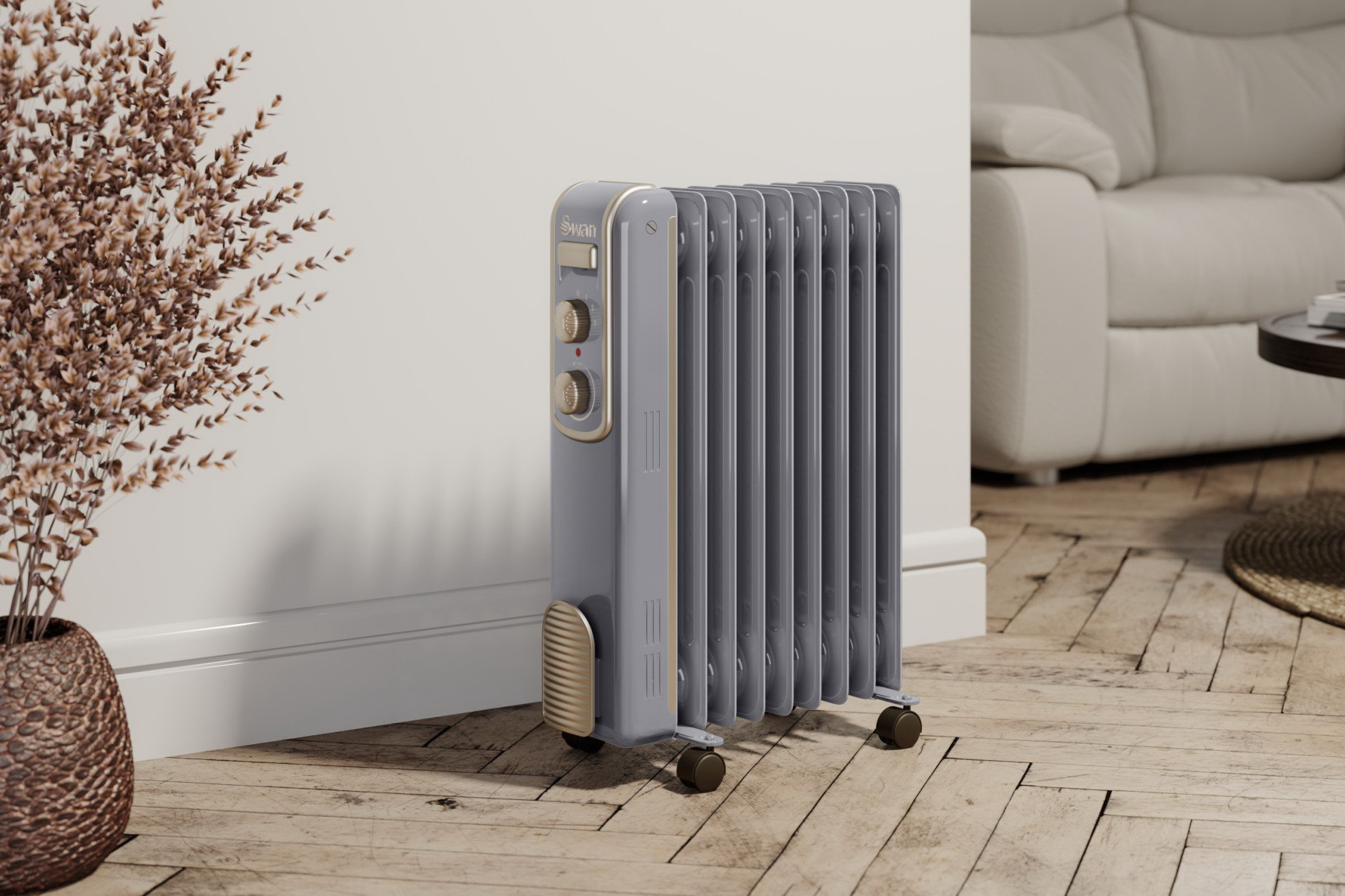
However, and this is a crucial “however,” efficiency isn't the same as cost. An efficient appliance that uses a lot of energy will still cost more to run than a less efficient one that uses less energy. It’s like having a car that gets great mileage per gallon, but has a massive fuel tank. It’s efficient for the amount of fuel it uses, but it still drinks a lot of fuel!
The real question for oil-filled radiators is how long you use them and at what setting. If you’re just using one for a couple of hours to take the chill off a small office while you’re working, it might be perfectly reasonable. But if you’re planning on running one all day, every day, to heat your entire living room, you’re likely going to see a significant jump in your electricity bill. And let’s be honest, some of those older models? They’re not exactly the pinnacle of modern energy-saving technology. They might not have fancy thermostats or timers.
The Cost Breakdown: What’s Really Going On?
Let’s get down to brass tacks. The cost of running an oil-filled radiator is primarily determined by three things:
- The wattage of the radiator: Higher wattage means more power consumed, and therefore more heat generated (and a higher running cost). You’ll see wattage figures like 1500W, 2000W, etc.
- How long you run it: This is pretty self-explanatory. The longer it’s on, the more electricity it uses.
- The price of electricity in your area: This is the big variable! Electricity prices vary wildly depending on your supplier, your tariff, and even the time of day (if you have a time-of-use tariff).
To give you a rough idea, let’s do some very simplified math. Imagine you have a 1500W (which is 1.5kW) oil-filled radiator. If you run it for one hour, it will consume 1.5 kilowatt-hours (kWh) of electricity. Now, let’s say your electricity costs 30 pence per kWh (this is just an example, your rate will be different!). So, running that radiator for just one hour would cost you 1.5kW * £0.30/kWh = £0.45.
Now, if you’re running that for, say, 6 hours a day in your living room during winter, that’s 6 hours * £0.45/hour = £2.70 per day. Over a month (let’s say 30 days), that’s £2.70 * 30 = £81! And that’s just for one radiator! See where this is going? It adds up surprisingly quickly. And that’s without even considering if you need more than one, or if you’re running it for longer periods. Ouch.
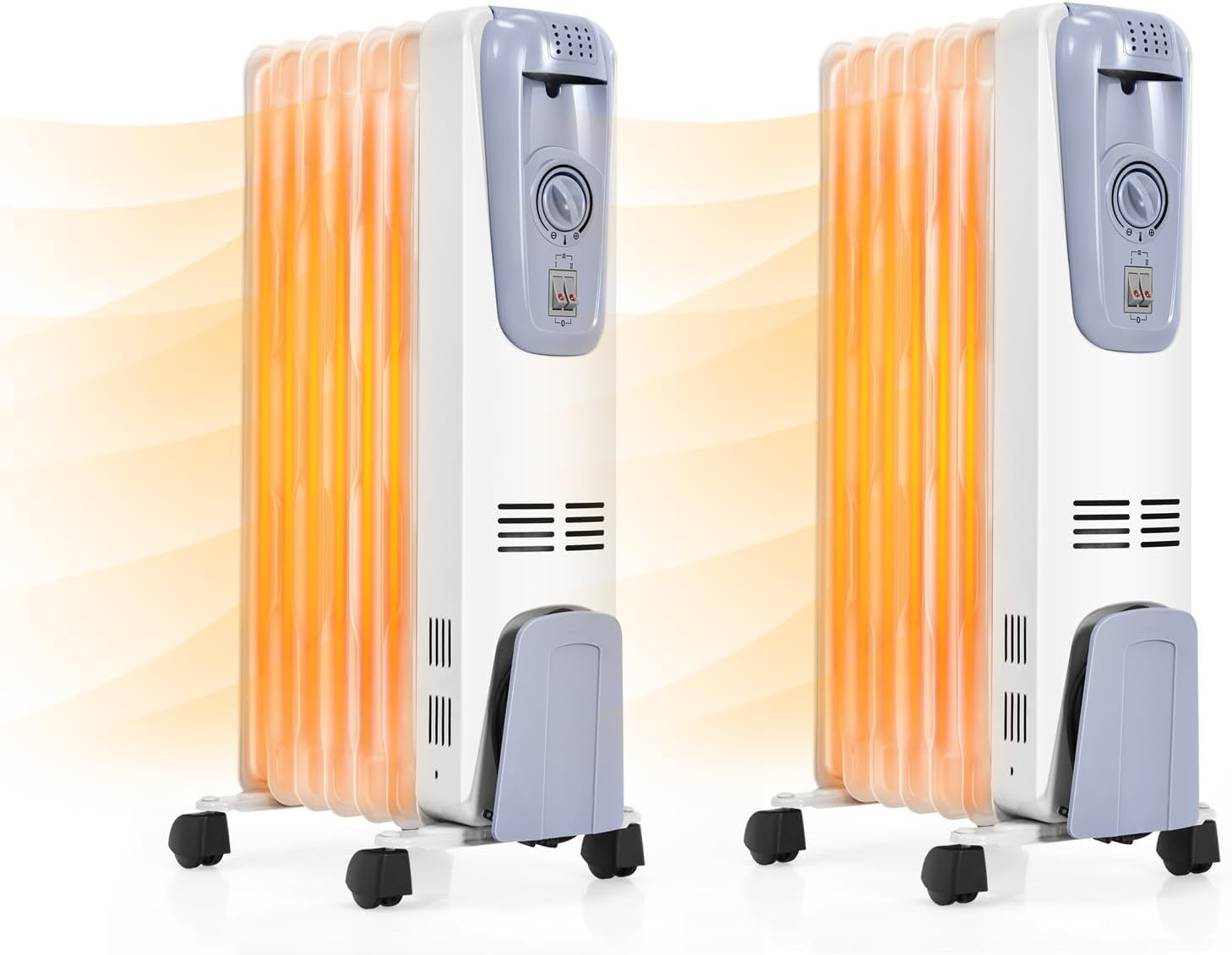
This is why the idea of them being "cheap to run" often comes with a big asterisk. They are cheap in the sense that they provide a lot of heat for the electricity they consume at any given moment. But because heating is a constant need in winter, and because electricity is a relatively expensive form of energy, the overall cost can become quite substantial.
When Oil-Filled Radiators Might Be a Good Option (and When They’re Probably Not)
So, are there situations where an oil-filled radiator actually makes sense from a cost perspective? Yes, believe it or not!
The Good Scenarios:
- Supplementary Heating: If you have a room that’s chronically cold, and your central heating just can’t cope, an oil-filled radiator can be a good way to top up the heat without having to blast the entire house. You can use it for a few hours when you’re in that specific room.
- Occasional Use: For a home office you only use a few hours a day, or a guest room you only heat when visitors are staying, they can be a convenient and reasonably priced solution.
- Frost Protection: Some people use them on a very low setting to prevent pipes from freezing in unused or very cold rooms. This uses minimal electricity and can save you from costly water damage.
- No Gas Supply: If you don’t have access to a gas supply, and electric heating is your only option for supplementary heat, oil-filled radiators can be a more gentle and potentially more efficient option than some direct electric heaters, especially for sustained warmth.
The Not-So-Good Scenarios:
- Primary Heating Source: Unless you live in a very small, exceptionally well-insulated space, using an oil-filled radiator as your sole source of heat in winter will almost certainly be expensive.
- Large or Poorly Insulated Rooms: These radiators are best suited for smaller to medium-sized rooms. Trying to heat a cavernous living room or a poorly insulated space will require the radiator to work harder and for longer, driving up costs.
- Constant, All-Day Use: If you’re planning on having one on from morning till night, every day, you’re probably looking at a significant bill.
Modern Alternatives: Are There Cheaper Ways to Stay Warm?
This is where it gets interesting! Technology has moved on, and there are often more cost-effective ways to heat your home, especially if you’re looking at long-term solutions or high-efficiency options.

Electric Fan Heaters: While they can be noisy and dry out the air, they heat up a room very quickly. For short bursts of heat, they can be more economical because you’re not running them for as long. However, for sustained warmth, they can also be energy hogs.
Ceramic Heaters: These are similar in principle to oil-filled radiators but often use a ceramic element to heat the air, which is then blown out by a fan. They can heat up a room faster than oil-filled radiators, and modern ones often have good thermostats and timers.
Infrared Heaters: These work differently, by directly heating objects and people in their path, rather than the air. They can feel very warming, and if you’re sitting in their direct path, they can be quite efficient. However, they don’t heat the entire room in the same way.
Modern Oil-Filled Radiators: Now, this is key! If you do decide an oil-filled radiator is your best bet, look for modern models. They often come with:
- Digital Thermostats: Much more accurate and responsive than old dial controls.
- Timers: Allowing you to set specific on/off times, so you’re not heating an empty room.
- Eco Modes: Designed to use energy more efficiently.
- Better Insulation: Newer designs might be more efficient overall.
These features can make a real difference to your running costs. An older, dial-controlled radiator might be constantly cycling on and off, using more energy than necessary. A modern one with a smart thermostat will maintain a consistent temperature much more efficiently.

Heat Pumps: For whole-home heating, heat pumps are becoming increasingly popular and are significantly more energy-efficient than direct electric heating. They extract heat from the outside air, even in cold temperatures, and transfer it inside. The initial cost is higher, but the running costs are considerably lower over time.
Improved Insulation and Draft Proofing: This is often the most cost-effective step you can take. If your home is losing heat through drafts or poor insulation, no amount of heating will be truly cheap. Sealing gaps around windows and doors, and adding insulation, can dramatically reduce your heating bills, making any heating system more efficient.
The Verdict: A Cozy Tool, Not a Magic Wand
So, back to my initial question, and the one that keeps many of us awake at night during winter: are oil-filled radiators cheap to run? The answer, as we’ve seen, is nuanced. They are not inherently cheap in the way a well-insulated house with a highly efficient central heating system is. They consume electricity, and electricity can be expensive.
However, they are often more cost-effective than you might think when used strategically. For targeted, supplementary heating in smaller spaces, or for short periods, they can be a perfectly sensible and reasonably priced option, especially if you choose a modern, feature-rich model.
If you’re looking for a primary heating solution for your entire home, or if you plan to run one constantly in a large, uninsulated room, then you should probably brace yourself for a significant increase in your energy bills. In those cases, exploring more efficient, whole-home heating solutions, or focusing on improving your home’s insulation, will likely be a much more economical long-term strategy.
Ultimately, an oil-filled radiator is a tool. And like any tool, its cost-effectiveness depends entirely on how you use it. Used wisely, it can be a wonderful ally against the winter chill without breaking the bank. Used indiscriminately, well… let’s just say your electricity meter will have a very busy, and expensive, winter.