
Are Bicarb And Baking Powder The Same

Alright, gather 'round, my fellow kitchen adventurers! Let’s talk about something that probably lives in your pantry, lurking right next to the flour and sugar, and has probably been the source of much confusion and maybe a few flat cakes: bicarb and baking powder. Are they BFFs, or more like frenemies who pretend to get along but secretly compete for shelf space? Let's spill the beans, or perhaps, the leavening agents.
You see, in the grand, chaotic theatre of baking, these two are often on stage together, playing seemingly similar roles. But trust me, calling them the same is like saying a superhero and a mild-mannered accountant are identical. Sure, they both deal with things, but their powers are distinctly different.
Let's start with the OG, the classic, the one that’s probably been chilling in your grandma’s cupboard since the disco era: baking soda. Also known by its fancier, more scientific name, sodium bicarbonate. Think of baking soda as the feisty, one-trick pony. It's a base. And what does a base do? Well, in baking, it needs an acid to do its magic. Without its acidic partner, it’s just sitting there, looking all white and powdery, like a party guest who forgot their invitation.
Imagine a grumpy old wizard (that’s the baking soda) who’s got a bunch of pent-up energy. But he can’t unleash it unless someone gives him a special potion (the acid). This potion could be anything from buttermilk, yogurt, lemon juice, vinegar, or even, dare I say it, molasses. When the wizard gets his potion, BAM! A chemical reaction happens, and it releases those glorious little bubbles of carbon dioxide that make your cookies spread and your muffins rise. It’s a miniature culinary explosion happening right in your batter!
Now, baking soda is pretty potent. A little goes a long way, and if you’re not careful, you can end up with a cake that tastes like you licked a battery. Seriously, too much baking soda can leave a distinct, unpleasant metallic aftertaste. So, while it's a powerhouse, it demands respect and a good understanding of its acidic friends.
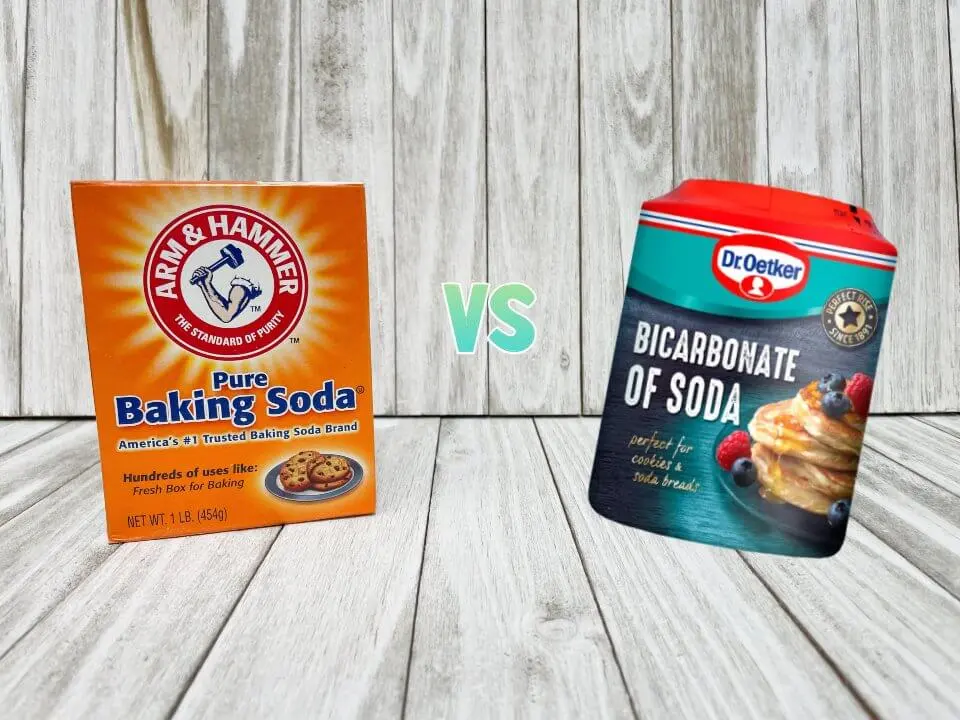
Then we have the smoother, more sophisticated sibling: baking powder. If baking soda is the lone wolf wizard, baking powder is the well-prepared wizard who comes with his own pre-packaged spell kit. Why? Because baking powder is essentially baking soda that’s already been introduced to its acidic components, all neatly bundled up in one container.
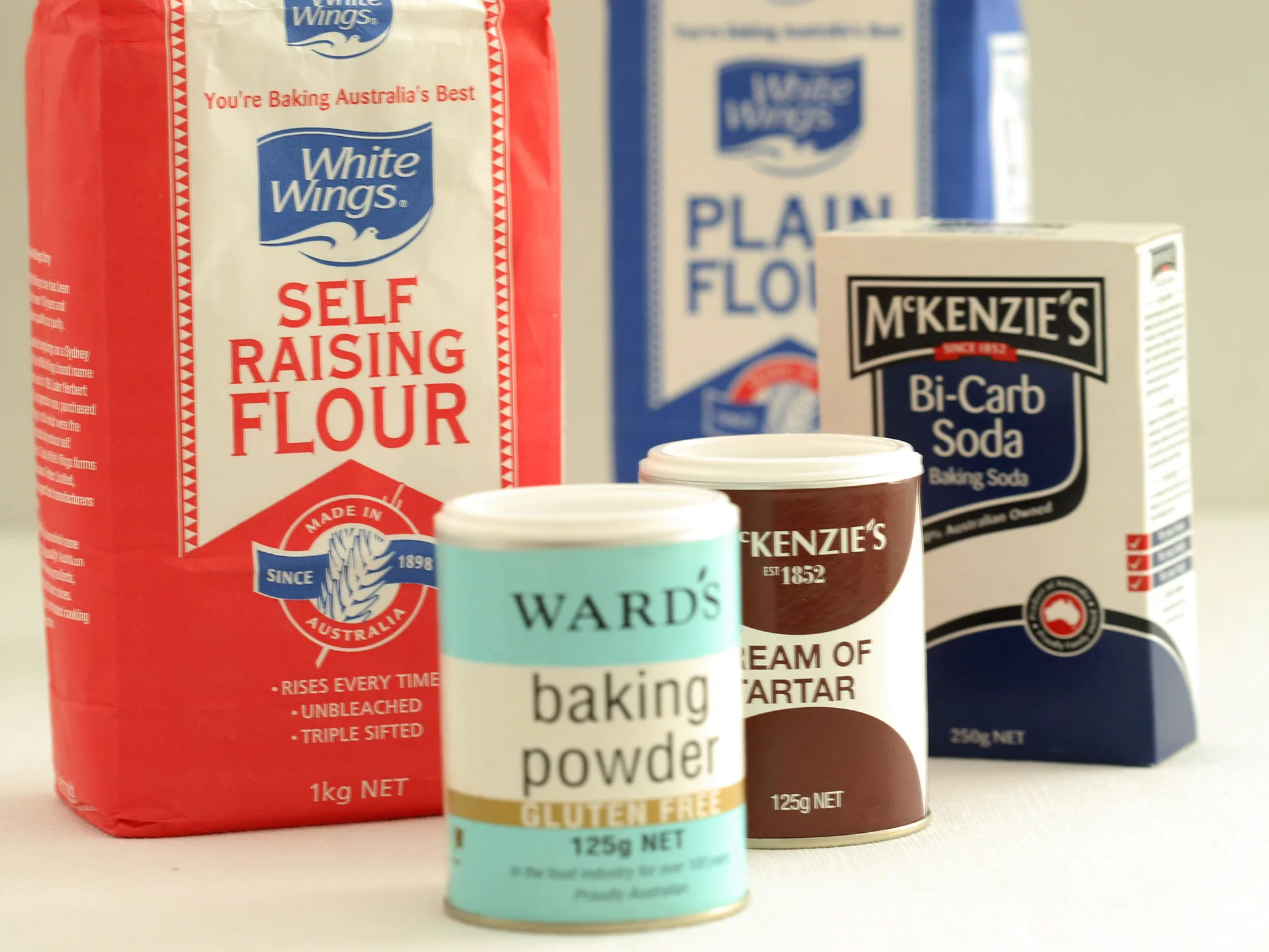
A typical baking powder mix contains baking soda (the base), an acidic salt (like cream of tartar or sodium aluminum sulfate), and a starch (like cornstarch) to keep everything dry and prevent premature reactions. Think of it as baking soda’s emergency preparedness kit. It’s got everything it needs to get the job done, without you having to hunt down lemons or raid your yogurt stash.
Baking powder is usually categorized into two types: single-acting and double-acting. The single-acting one, bless its heart, reacts once when it gets wet. The double-acting one, now that’s the rockstar! It has two stages of leavening. The first reaction happens when it meets the liquid in your batter, and the second, more powerful burst of bubbles happens when it hits the heat of the oven. This gives you a more consistent and reliable rise, making it the go-to for many recipes, especially if you’re not keen on the whole ‘acid-hunting’ expedition.
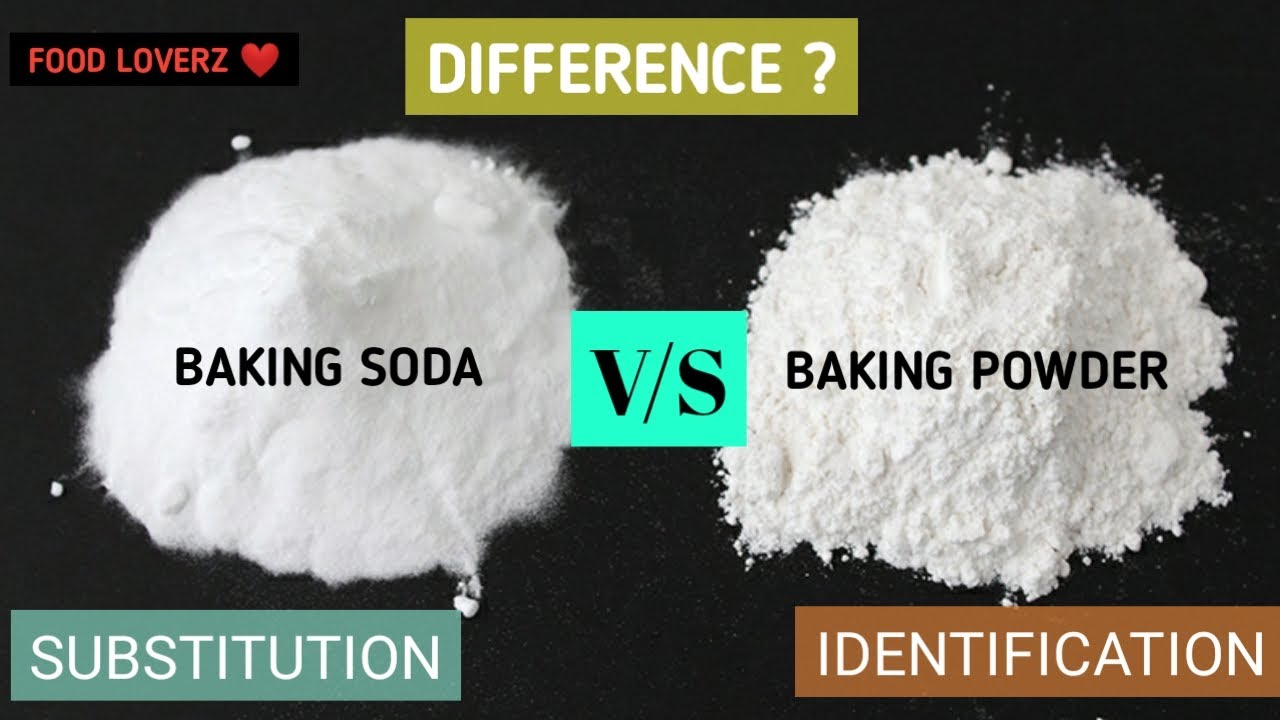
So, here’s the million-dollar question that keeps budding bakers up at night: Can I swap them? Can I just grab the baking soda when the recipe calls for baking powder, or vice versa? The answer, my friends, is a resounding, enthusiastic, and slightly dramatic… it depends!
Here’s the rough, but generally reliable, rule of thumb:
When the recipe calls for baking soda:
This usually means the recipe already has an acidic ingredient. So, if you were to just throw in baking powder instead, you’d be adding more base (from the baking soda in the powder) and more acid (from the powder itself), potentially throwing your whole flavour balance and leavening power into chaos. It’s like trying to fix a perfectly balanced orchestra by adding two extra conductors and a tuba player who only knows polka. Chaos, I tell you!
When the recipe calls for baking powder:
This is where you can sometimes get away with a substitution, but it’s a bit of a juggling act. Since baking powder already contains baking soda, you’ll need to add an acidic ingredient to compensate for the missing acid that would have been in the baking powder. For every teaspoon of baking powder you’re replacing, you’d typically use about 1/4 teaspoon of baking soda plus a splash of an acid like lemon juice or vinegar. This is where things get tricky and potentially disastrous. One wrong move, and your delicate soufflé could deflate faster than a politician’s promise.
Let’s put it this way: if your recipe is a carefully choreographed dance, baking soda is a soloist who needs a partner. Baking powder is the entire dance troupe, ready to go. Trying to use the soloist when the troupe is called for, or vice versa, without proper adjustments, will likely result in a lot of awkward tripping and a less-than-stellar performance.
Think about the sheer joy of a perfectly risen loaf of bread, or a batch of cookies that are chewy in the center and delightfully crisp on the edges. These are the fruits of understanding the fundamental differences between these two culinary powerhouses. It’s not just about following a recipe; it’s about understanding the science behind the deliciousness!
And here's a little nugget of surprising baking trivia for you: Did you know that in some historical recipes, especially older ones, you might see references to "saleratus"? That’s just an old-fashioned term for sodium bicarbonate, or baking soda! So, the next time you’re flipping through a vintage cookbook, don’t get flustered by the archaic terminology. It’s just our good old friend bicarb in disguise.
In conclusion, my dear baking enthusiasts, bicarb (baking soda) and baking powder are definitely not the same. They’re more like cousins who grew up in different houses. One is a direct, fiery force that needs a partner, while the other is a pre-packaged, reliable worker bee. Understanding their distinct personalities is key to unlocking your baking potential and avoiding those dreaded culinary catastrophes. So, the next time you’re reaching for one or the other, take a moment, remember their unique powers, and bake with confidence!