
Adding A Trellis To An Existing Fence

Tired of looking at that same old, slightly-too-plain fence? Does your garden feel like it's missing that certain oomph? Well, get ready to transform your outdoor space from "meh" to "marvelous" because we're diving into the wonderfully accessible world of adding a trellis to an existing fence! This isn't just about slapping some wood onto a barrier; it's about unlocking a whole new dimension of beauty, utility, and downright garden joy.
Think of it as giving your fence a stylish upgrade, a vertical facelift that’s as practical as it is pretty. Whether you’re a seasoned gardener with a green thumb the envy of the neighborhood or a complete beginner looking to add a touch of charm, this project is surprisingly achievable and oh-so-rewarding. It’s a fantastic way to maximize your garden space, create stunning focal points, and even add a touch of privacy. Plus, the sheer variety of trellises and climbing plants out there means your options are practically limitless, allowing you to tailor your garden’s look to your heart’s content.
Why Add a Trellis? The Garden Glow-Up You Didn't Know You Needed
So, what’s the big deal about adding a trellis to your fence? It’s like giving your garden superpowers! Here are just a few of the amazing benefits:
- Vertical Victory: Let's be honest, ground space is precious. A trellis allows you to tap into the vertical realm, giving your plants room to stretch their legs – or rather, their vines! This means more growing space for your favorite flowers and edibles without sacrificing valuable lawn or patio area.
- Aesthetic All-Stars: Fences, while functional, can sometimes be a bit… utilitarian. A trellis injects instant personality and visual interest. It breaks up the monotony, adds architectural detail, and creates a stunning backdrop for your garden. Imagine vibrant blooms cascading down, or the architectural elegance of a well-trained vine. It’s like adding a masterpiece to your outdoor canvas.
- Plant Powerhouse: For climbing plants, a trellis is more than just decoration; it's a lifesaver! It provides the support they need to grow upwards, preventing them from sprawling out and potentially becoming a tangled mess. This means healthier plants, better air circulation, and more abundant blooms or fruits.
- Privacy Plus: Want to create a more secluded oasis? A strategically placed trellis adorned with lush foliage can act as a beautiful, living privacy screen. It’s a softer, more organic alternative to solid screens, allowing you to enjoy your garden without feeling completely exposed.
- Edible Excellence: Who says beauty can't be delicious? Trellises are perfect for supporting climbing vegetables like cucumbers, beans, and even certain varieties of tomatoes and squash. Imagine picking fresh produce right off your fence – talk about a garden win!
- Charming Cover-Up: Got an unsightly patch of fence? Or perhaps a neighbor’s less-than-inspiring view? A trellis with climbing plants can be the perfect disguise, transforming a drab area into a lush, vibrant feature.
Choosing Your Perfect Partnership: Trellis Styles and Fence Fits
The beauty of this project lies in its adaptability. You’re not starting from scratch; you’re enhancing what you already have. This means you can be as creative and budget-friendly as you like!
When it comes to trellises, the options are as diverse as your gardening dreams. You can go for:
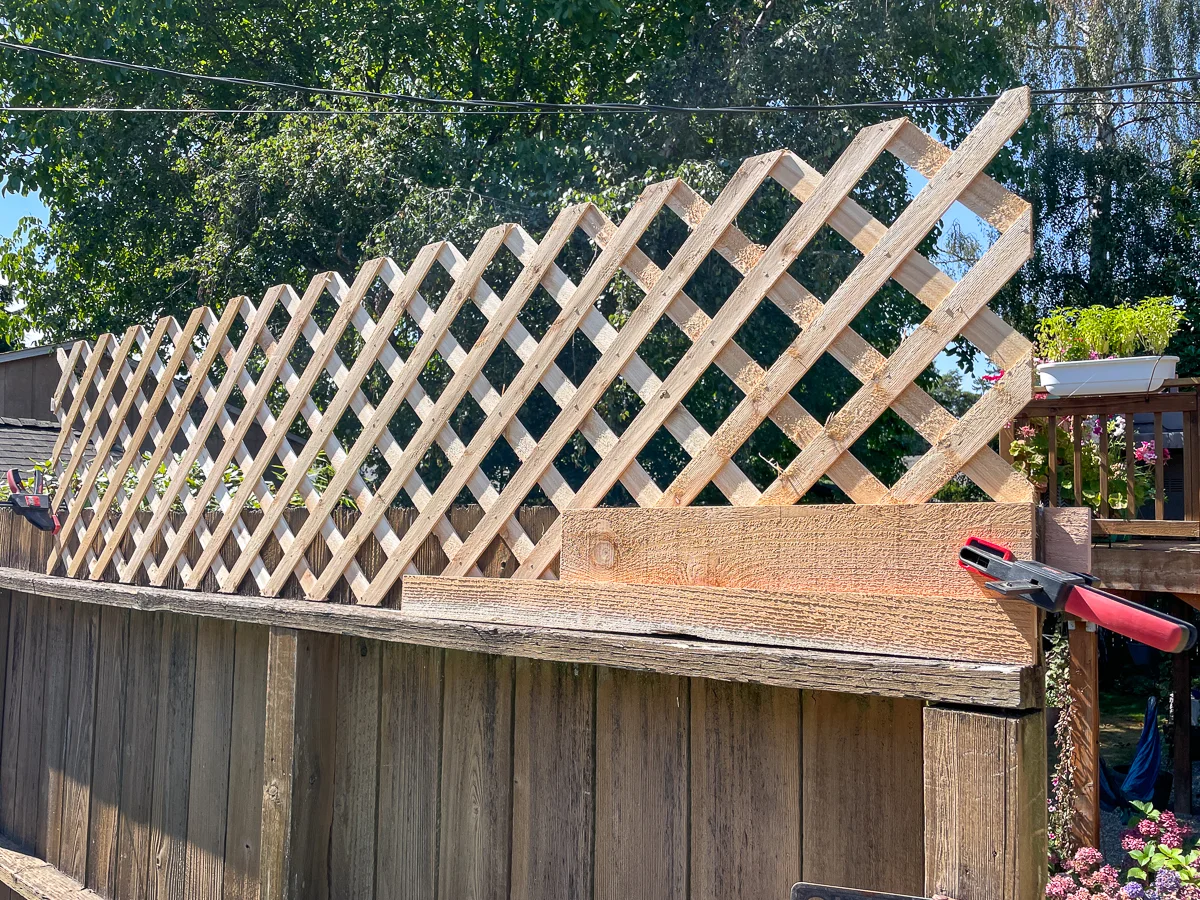
DIY Delights: If you're handy, creating your own trellis from wood, bamboo, or even repurposed materials can be incredibly satisfying and cost-effective. Think simple lattice panels, geometric designs, or even a rustic ladder-style structure.
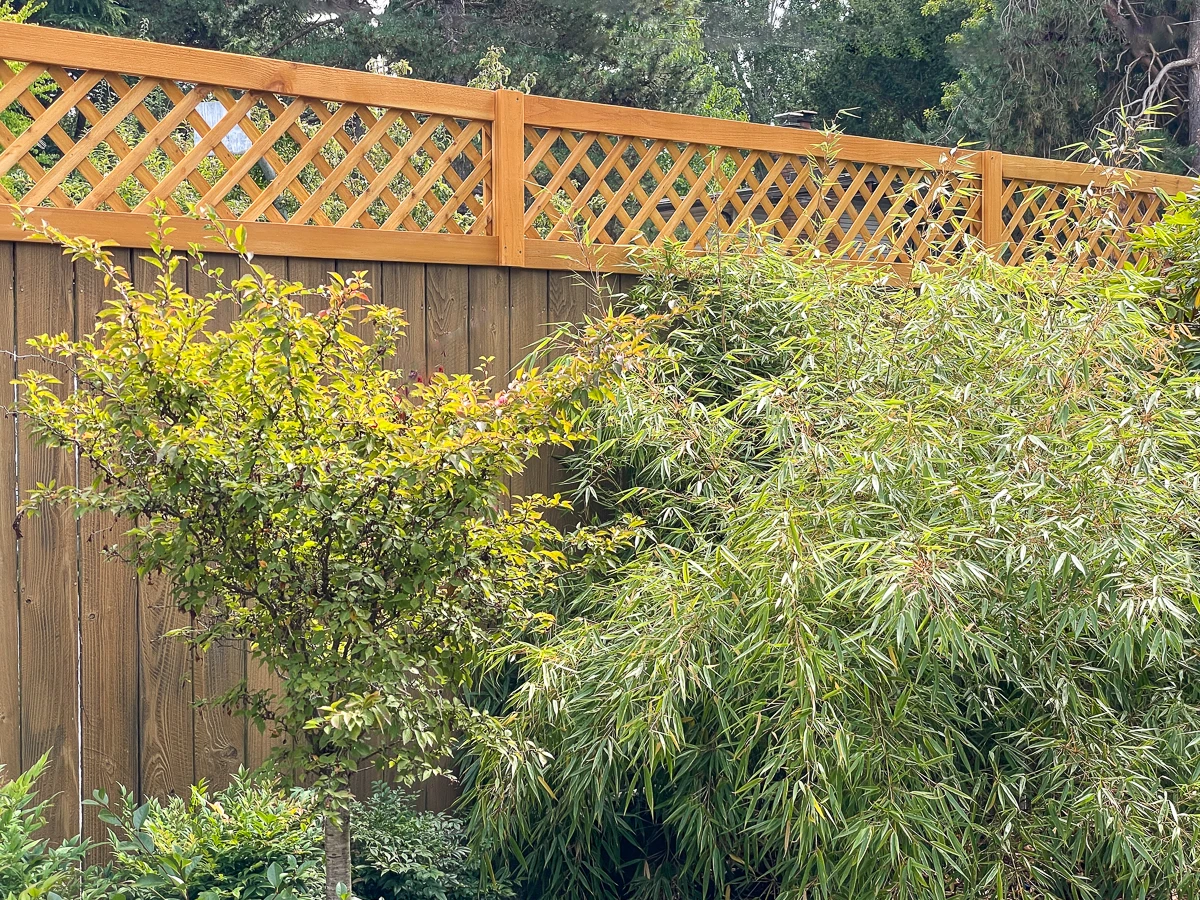
Ready-Made Wonders: The garden center is your oyster! You'll find a vast array of pre-fabricated trellises in various materials like metal (wrought iron, steel), wood, and plastic. From delicate, intricate designs to sturdy, modern forms, there’s something to suit every aesthetic. Consider the style of your home and garden when making your selection. A classic wrought-iron trellis might complement a more formal garden, while a simple cedar lattice could fit perfectly with a casual, rustic feel.
Attaching these to your existing fence is generally a straightforward process. For lighter trellises, you might be able to secure them directly to the fence pickets or posts using sturdy screws or brackets. For heavier or larger structures, you might want to consider adding extra support posts driven into the ground near the fence line to bear the weight. Always ensure whatever method you choose is secure and can withstand wind and the weight of your growing plants.
Planting Your Vertical Dreams: What to Grow
Once your trellis is in place, the real fun begins: choosing your green companions! The world of climbing plants is vast and varied. Here are some popular choices to get your imagination blooming:
- For Fragrant Blooms: Jasmine, honeysuckle, and clematis are perennial favorites, offering intoxicating scents and stunning floral displays. Imagine stepping out into your garden and being greeted by the sweet perfume of honeysuckle on a summer evening – pure bliss!
- For a Splash of Color: Roses (climbing varieties, of course!), wisteria (with proper support, as it can get heavy!), and vibrant annuals like morning glories or nasturtiums will paint your fence with a dazzling palette.
- For Edible Rewards: As mentioned before, cucumbers, beans (pole beans are ideal), peas, and even some smaller vining melons can thrive on a sturdy trellis. It's a fantastic way to integrate your vegetable garden into your ornamental landscape.
- For Lush Foliage: For a more understated yet equally beautiful effect, consider evergreen climbers like ivy (use non-invasive varieties!) or certain types of evergreen clematis. These provide year-round interest and a sense of established beauty.
When selecting your plants, consider your local climate, the amount of sunlight your fence receives, and the mature size of the plant. Some climbers are vigorous growers and will need more space and stronger support than others. Don't be afraid to ask for advice at your local garden center – they are treasure troves of knowledge!
Making it Happen: Simple Steps to Success
Adding a trellis is a project that can often be completed in an afternoon, making it perfect for a weekend DIY adventure. Here's a simplified overview:
- Plan Your Placement: Decide where you want your trellis to go and what you want to grow.
- Choose Your Trellis: Select a trellis that suits your style and the needs of your plants.
- Gather Your Tools: You’ll likely need a drill, screws or brackets, a level, and potentially a post hole digger if adding support.
- Secure the Trellis: Follow the manufacturer’s instructions for pre-made trellises, or your own plan for DIY creations. Ensure it’s firmly attached and stable.
- Plant Your Green Friends: Dig your holes, position your plants, backfill with soil, and water well. Gently guide the young vines onto the trellis.
And there you have it! You’ve just taken your fence from functional to fabulous. It’s a simple addition that brings immense rewards, transforming your outdoor space into a more beautiful, productive, and enjoyable haven. So go ahead, embrace the vertical revolution, and let your garden reach new heights!