
Able Was I Ere I Saw Elba

Have you ever had one of those moments where you say something, and then you stop and think, "Wait a minute... that sounds really familiar!"? It’s like your brain suddenly does a little flip and flips words around, and BAM! You’ve got something super cool that you might not have even noticed before.
Well, get ready for a word adventure because we're about to dive into one of the most famous, most mind-boggling, and frankly, most awesome phrases ever uttered (or written!). It’s a little bit like a magic trick for your eyes and your brain, and it’s called a palindrome. Don't worry, it's not as scary as it sounds! Think of it as a word or phrase that's a total rebel. It reads the same forwards and backward. Yep, you heard me!
Imagine your favorite cookie. Now, imagine it’s so perfectly symmetrical that you can flip it upside down, and it still looks exactly the same. That’s a palindrome, but for words! And the undisputed champion, the king of palindromes, the one that makes linguists and word nerds do a little jig of joy, is this absolute gem: "Able was I ere I saw Elba."
Now, who is this mysterious "Able"? And where on earth is this "Elba"? This is where the story gets really fun. This phrase is famously (and some say, quite accurately) attributed to none other than the legendary Napoleon Bonaparte. Yes, that Napoleon. The tiny guy with the big hat, the epic battles, and the whole "ruling a huge chunk of Europe" thing.
Picture this: Napoleon, after a rather... unsuccessful little holiday on the island of Elba, is reflecting on his situation. He’s been exiled, right? Banished! It’s not exactly a five-star resort. He’s probably pacing around, maybe munching on a particularly fancy biscuit (because, you know, exiled emperors probably get fancy biscuits), and he’s thinking about his past glory. He's thinking about how things were before this whole Elba business. He’s thinking about how, in his mind, he was perfectly capable, perfectly "able," before he even saw this little rock in the Mediterranean Sea.
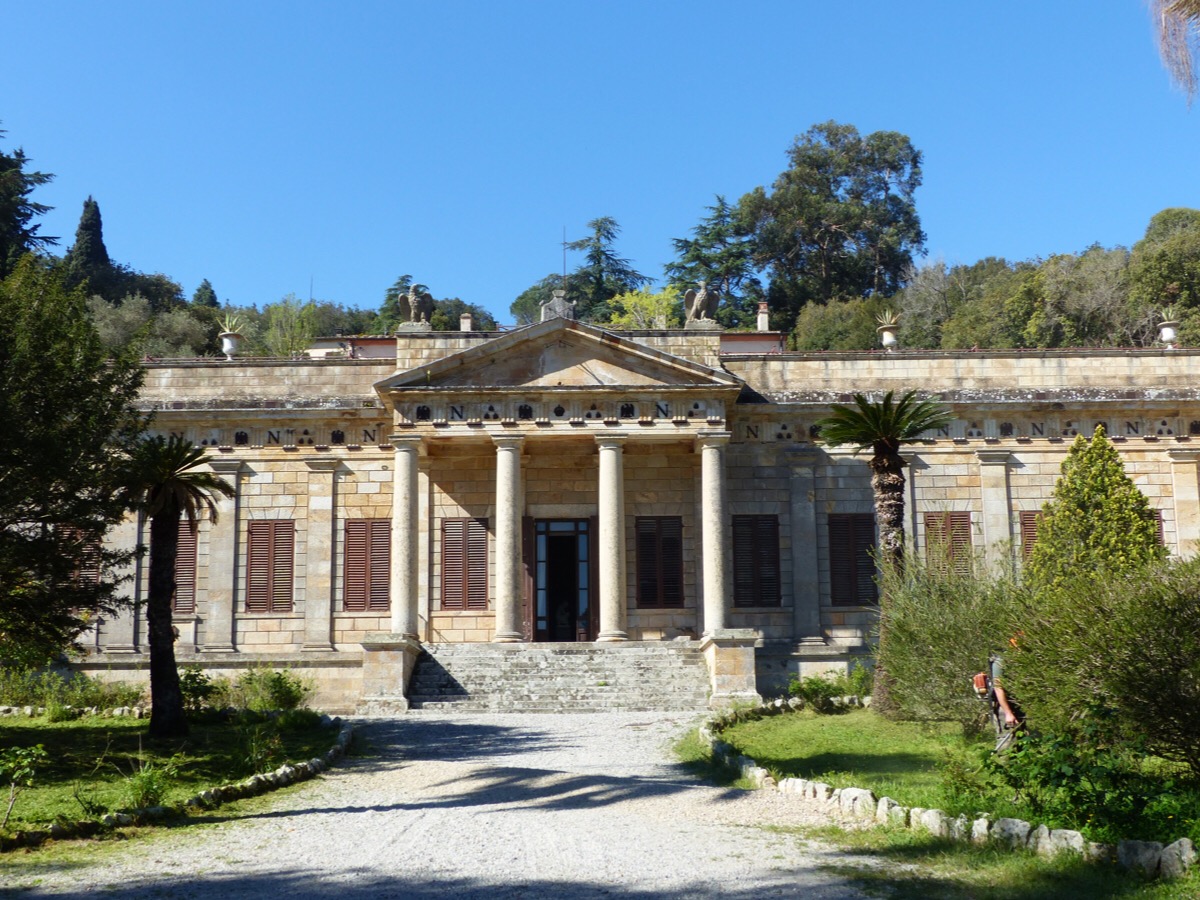
And then, in a moment of pure, unadulterated linguistic genius (or perhaps just a very clever turn of phrase), he (or whoever wrote it for him) conjured up "Able was I ere I saw Elba."
Let's break it down, shall we? Read it out loud. "Able was I ere I saw Elba." Now, try reading it backward. "Abel was I ere I saw Elba." Wait, what? No, no, no, backwards it goes like this: "A, b, l, e, space, w, a, s, space, I, space, e, r, e, space, I, space, s, a, w, space, E, l, b, a." Okay, that's the correct order. Now, let's read those letters backward, one by one:
A, b, l, e, space, w, a, s, space, I, space, e, r, e, space, I, space, s, a, w, space, E, l, b, a.
See? It’s a perfect mirror image! It's like looking into a magical word mirror. The letters are all there, in the same order, no matter which way you look at it. It's so cool, it almost feels like cheating!
Why is this so neat? Because it’s incredibly difficult to make a sentence that makes perfect sense and reads the same backward. Most palindromes are short and sweet, like "madam" or "racecar." Those are great! But a whole sentence? With names and verbs and everything? That's like winning the word lottery!

Think about trying to write your own. "I like pizza." Backwards? "Azzi p ekil I." Doesn't quite have the same delicious ring to it, does it? Or, "The quick brown fox jumps over the lazy dog." Try reversing that! Your brain will probably ask for a nap.
But "Able was I ere I saw Elba"? It’s grammatically sound. It tells a little story. It hints at a mighty figure reflecting on his downfall. And it does it all while being a super-duper word puzzle. It's like a tiny linguistic masterpiece, a secret handshake for people who appreciate a good wordplay.

So, the next time you're feeling a bit down, or perhaps feeling a little too able before a certain event, remember Napoleon and his island exile. And remember this fantastic phrase. It’s a testament to the playful power of language, a reminder that sometimes, the most brilliant things are hidden in plain sight, just waiting for us to read them forwards and backward. It’s a little piece of history, a bit of a riddle, and a whole lot of fun!
Imagine telling this to your friends: "Did you know Napoleon said something that reads the same backward?" They'll be like, "No way! What is it?" And you, with a knowing smile, will reveal the magic: "Able was I ere I saw Elba." Instant cool points, guaranteed!