
A Staple Food Ground From Dried Maize
Ever stop and think about that humble bag of cornmeal sitting in your pantry? It looks pretty unassuming, right? Just a pale yellow powder, maybe with a faint, sweet smell. But this simple stuff is actually a culinary superstar, a food that’s been feeding people for thousands of years, quietly powering breakfast tables, dinner plates, and even some rather exciting snacks.
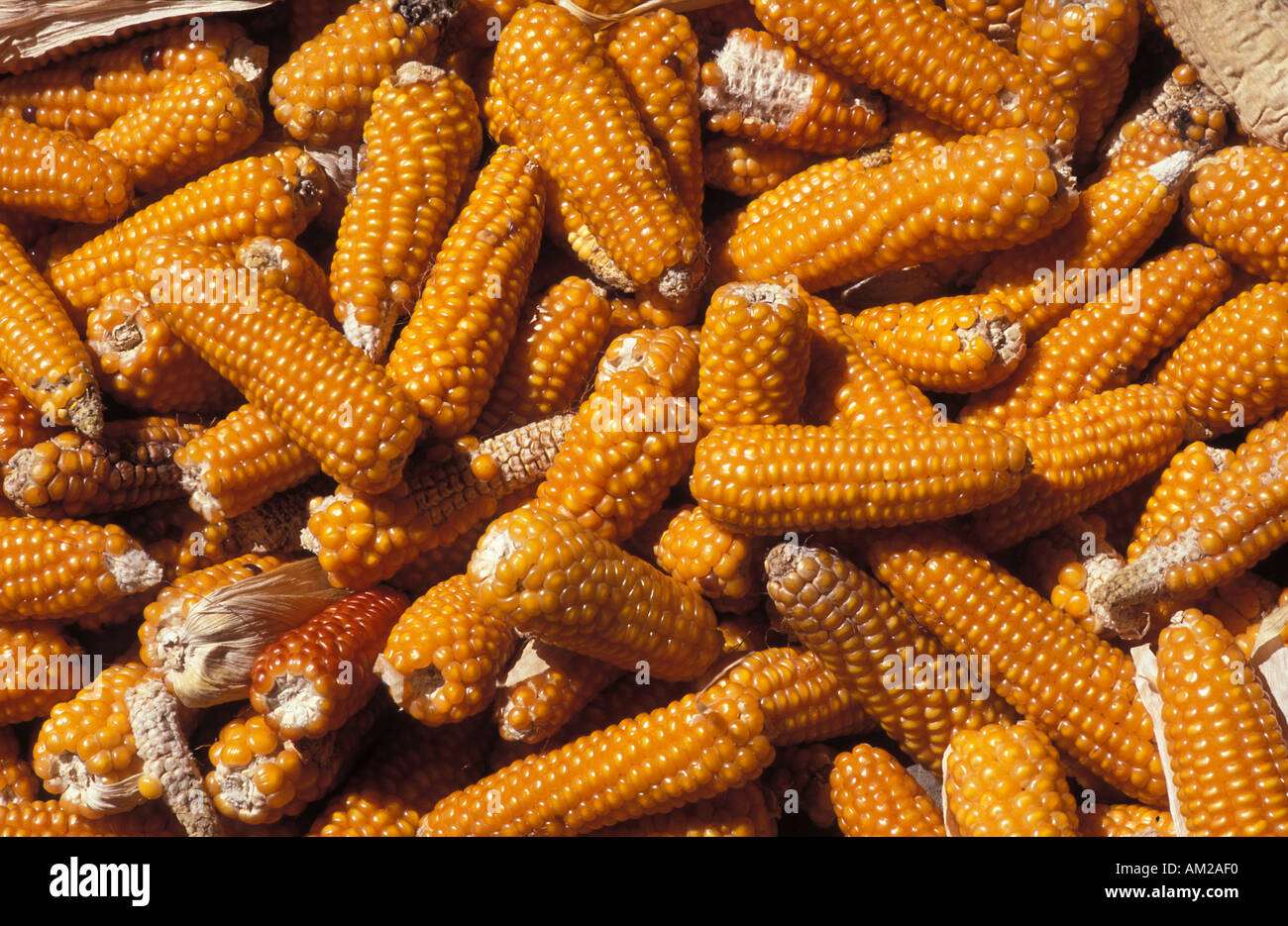
Imagine this: way, way back, before fancy ovens and instant mixes, people discovered the magic of maize. They figured out that if you dried those kernels, hard and ready for a long winter, you could then do something pretty amazing with them. You could grind them down. And that, my friends, is how our beloved cornmeal was born. It’s not just ground corn; it’s a little piece of history, a testament to human ingenuity and a whole lot of hard work. Think of all those ancient hands, patiently pounding or grinding, turning sturdy kernels into something soft and versatile.
What’s really neat is how many different ways this one ingredient shows up. In the American South, for example, it’s practically a religion. You can’t have a proper Southern breakfast without a bowl of creamy, buttery grits. They're like a warm hug in a bowl, perfect for soaking up the delicious juices from fried chicken or a side of bacon. And it’s not just breakfast! Grits can be a savory side dish, loaded with cheese and spices, or even a base for a fancy dinner. Who knew something so simple could be so adaptable?
But the journey of cornmeal doesn't stop there. Take a trip to Italy, and you’ll discover its equally famous cousin: polenta. Now, polenta might sound a bit more sophisticated, but at its heart, it’s the same amazing cornmeal, just prepared a little differently. It’s often cooked to a firmer consistency, then cooled and sliced. You can fry it, bake it, or grill it, and it becomes this wonderfully satisfying dish, a perfect partner for rich sauces, hearty stews, or even just a sprinkle of Parmesan cheese. Imagine a slice of golden, pan-fried polenta, crisp on the outside and wonderfully soft within. Delicious, right?
And then there are the fun bits, the treats that make us smile. Think about those crispy, golden cornbread muffins. They’re a classic for a reason, fluffy and slightly sweet, perfect for dunking in chili or slathering with butter. Or what about those delightful little cornbread squares, often served alongside BBQ? They’re the unsung heroes of many a backyard cookout. Cornmeal doesn’t just make savory dishes; it can be the star of a comforting bake, a humble yet delicious dessert that brings people together.

There's also a bit of a funny side to the story. Sometimes, when you’re making something with cornmeal, you might end up with a few stray bits that didn't quite dissolve. Don't worry! That's just part of the charm. It’s a reminder that this food isn't mass-produced in a sterile factory; it’s a product of nature, with its own little quirks. And honestly, sometimes those slightly coarser bits add a really interesting texture, a little surprise in every bite.
The heartwarming aspect of cornmeal is its ability to connect us. It's a food that transcends cultures and social classes. Whether you're enjoying a simple bowl of grits in a small diner or a refined plate of polenta in a bustling restaurant, you're sharing in a tradition that’s centuries old. It’s a reminder that the most satisfying meals are often the ones made with the simplest, most honest ingredients. It’s the taste of home for many, a comforting flavor that evokes memories of family gatherings and shared meals. It’s a food that’s been there through thick and thin, nourishing generations.

So, the next time you reach for that bag of cornmeal, take a moment to appreciate its journey. From a humble kernel of maize, dried under the sun, to the versatile ingredient that graces our tables in so many delicious forms. It’s a simple food, yes, but its story is rich, its flavors are comforting, and its place in our culinary history is undeniably important. It's a little bit of magic, ground down and ready to be transformed into something wonderful. It’s a staple, sure, but it’s also so much more. It's sustenance, it's tradition, and it's a delicious reminder of how something so basic can bring so much joy.